Drought: Livestock

Online Tools To Help With Rangeland Drought Planning
Learn about some free online tools that producers can use to assess drought conditions, evaluate forage resources, and manage herds through periods of abnormally dry weather.
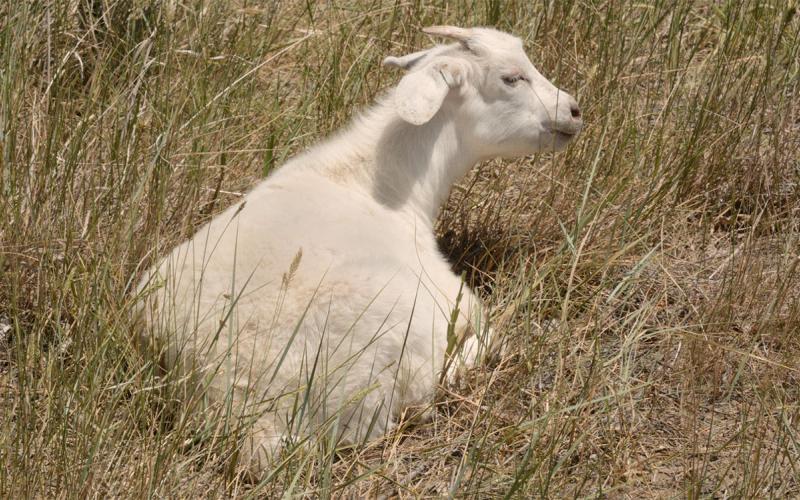
Heat Stress in Small Ruminants
The Upper Midwest provides periods of extreme heat during summer and shorter periods of heat stress potential during spring and fall. Are your sheep and goats cool enough in their environment?
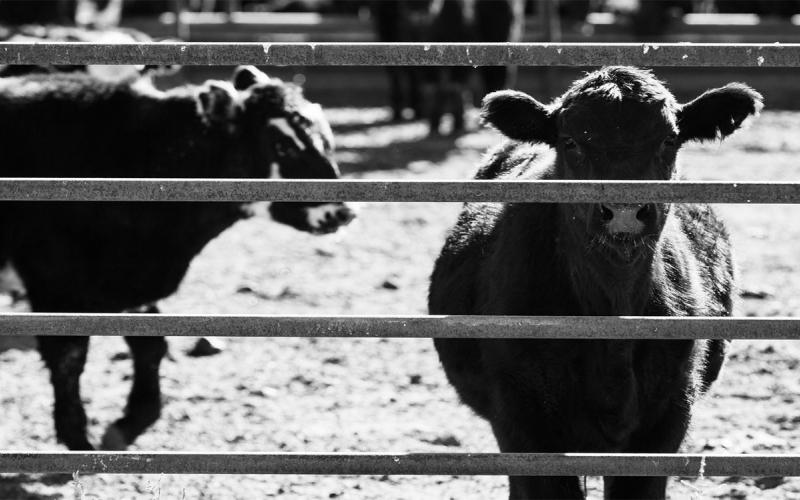
Cull Cows and Trichomoniasis
With increasing amounts of cows being sold at the sale barn with reproductive years left, there are some precautions to be aware of prior to bringing females home to re-breed.
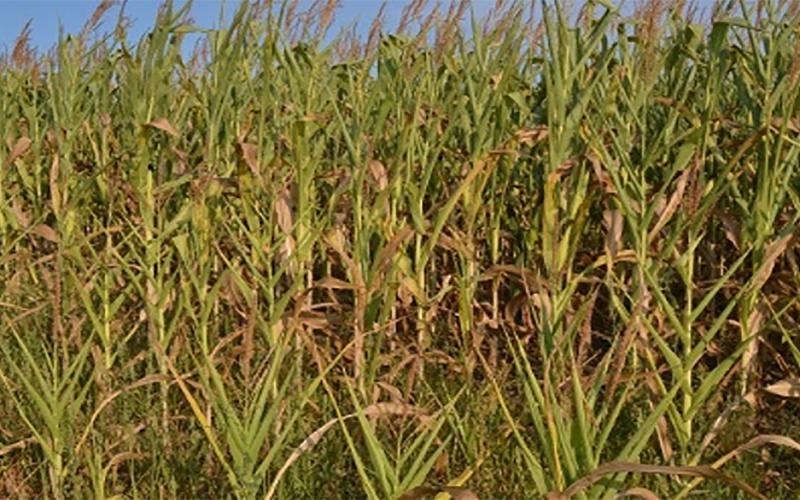
Valuing Drought-Stressed Corn Silage
Salvaging failed crops as silage for livestock can be a “win-win” for both crop growers and livestock owners. Learn how you can use data to improve the odds of finding a value that is fair to both parties.
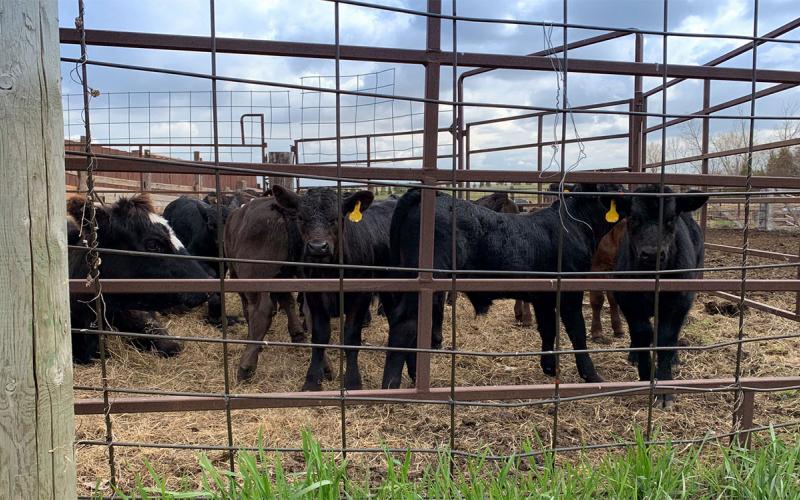
Managing Earlier Weaned Calves
Weaning calves at an earlier-than-normal age is a proven strategy to reduce grass demands by 25% or more during drought conditions. Learn some key management considerations for getting started.
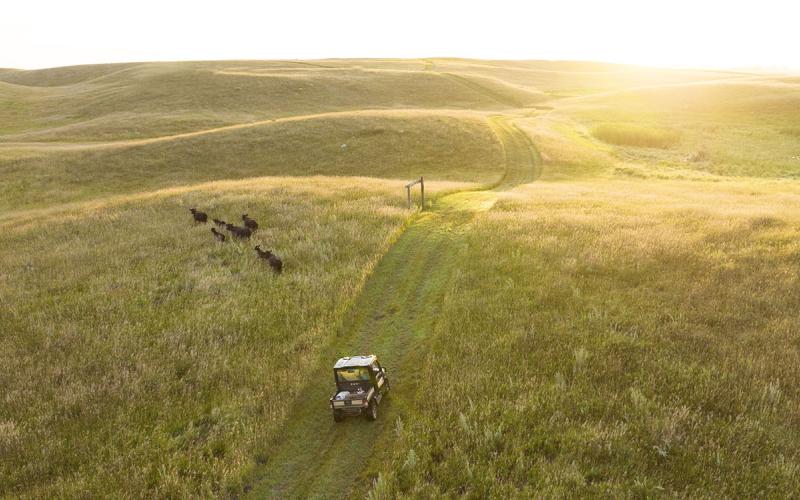
Holistic Ranch Management Helps With Economic and Climate Resilience
Holistic ranch management offers ways to think about ranching as part of a diverse ecological system. Learn how two South Dakota operations have leveraged it to generate multiple income streams from shared resources.

Livestock Loss Assistance Available
Has your operation experienced a sudden catastrophic loss of livestock due to weather? Financial assistance may be available through the USDA Livestock Indemnity Program.
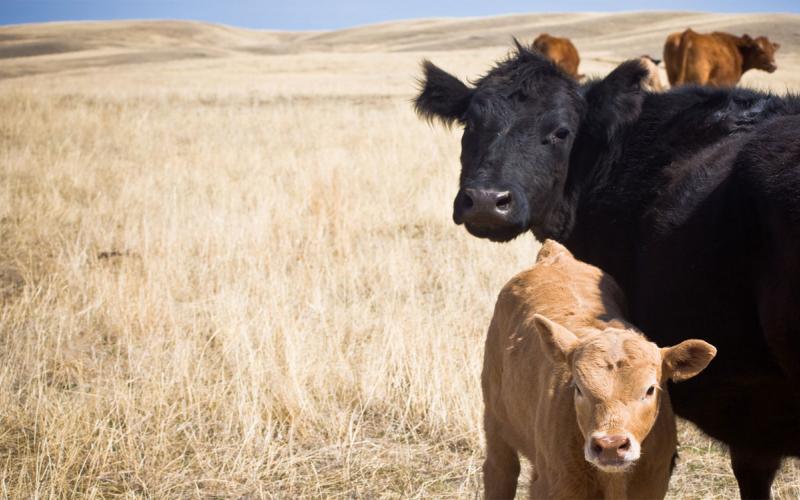
Planning for Breeding Season in Dry Conditions
Drier-than-normal conditions present added stress to producers and their herds in preparation for breeding season. During this critical period, producers should focus on making sound management decisions to maintain performance and profitability.
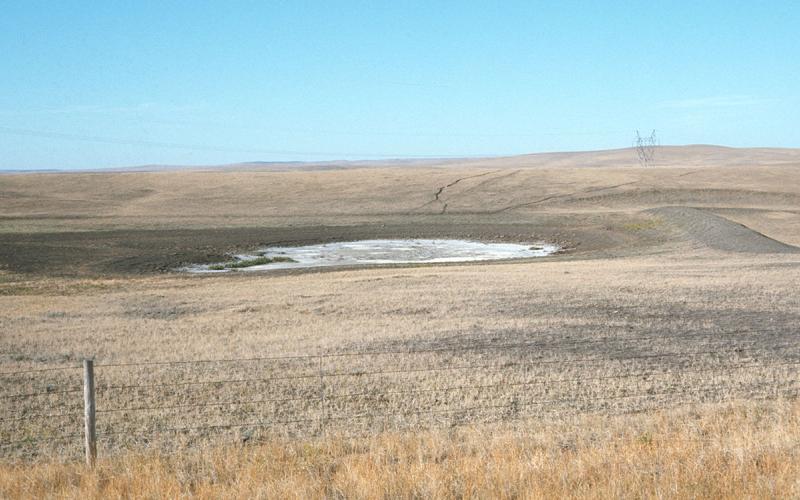
Can You Break the Hydro-illogical Cycle?
Regardless of the time of year, it is critical to start thinking about the next drought before we are in it. Learn some key strategies for breaking the Hydro-Illogical Cycle by leveraging drought motioning resources and creating a plan for your operation.
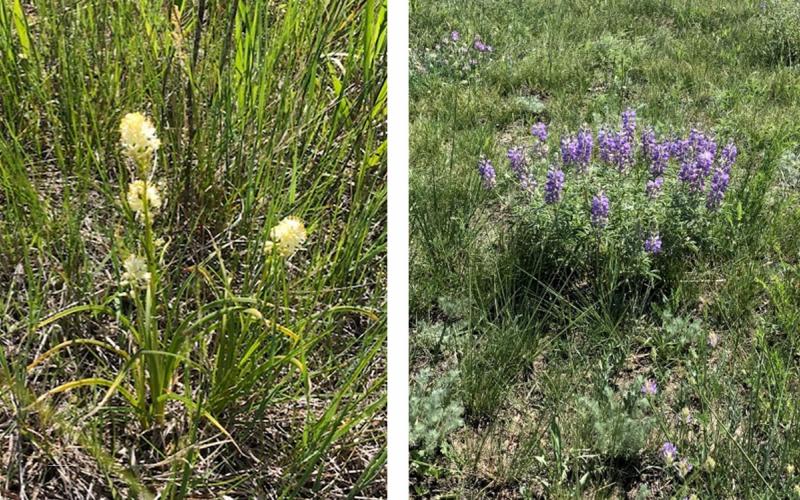
Poisonous Plants on Rangelands: Deathcamas and Lupine
With prolonged drought conditions throughout many areas of South Dakota, there is an increase of invasive weeds and poisonous plants on rangelands. Identification of poisonous plants is crucial to ensure livestock production is not compromised.