Crop Treatments
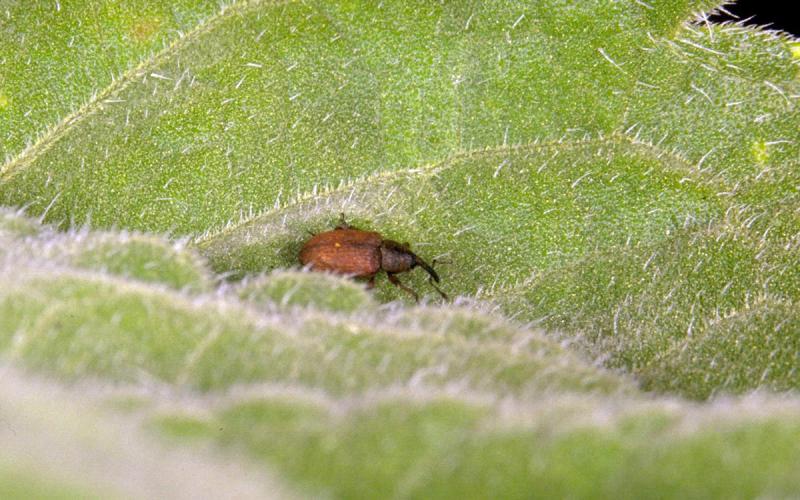
Malathion receives special local needs approval to treat red sunflower seed weevils in South Dakota from July 15 to August 31, 2025
The request was submitted and approved by the Environmental Protection Agency due to the large populations of red sunflower seed weevil present in South Dakota that are resistant to pyrethroid insecticides.
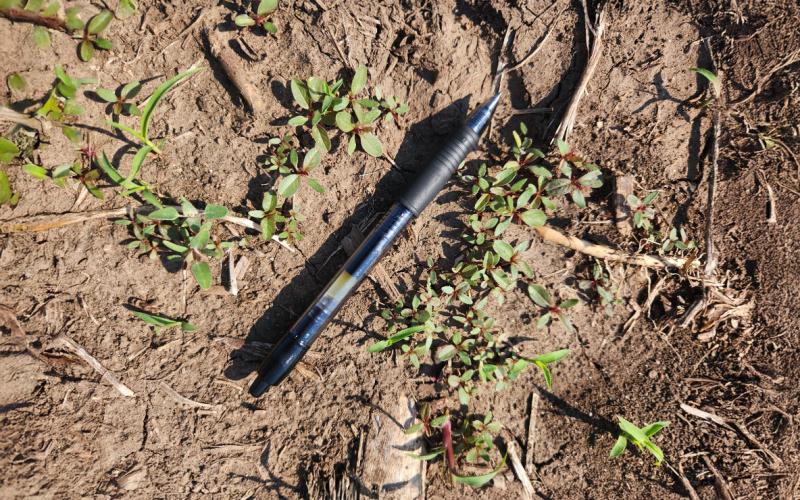
Waterhemp Has Emerged in South Dakota: Time to prepare for post-emergence management
Waterhemp has started to emerge across South Dakota. While waterhemp plants are small now, recent rain events and forecasted warmer air temperatures are ideal for waterhemp growth.
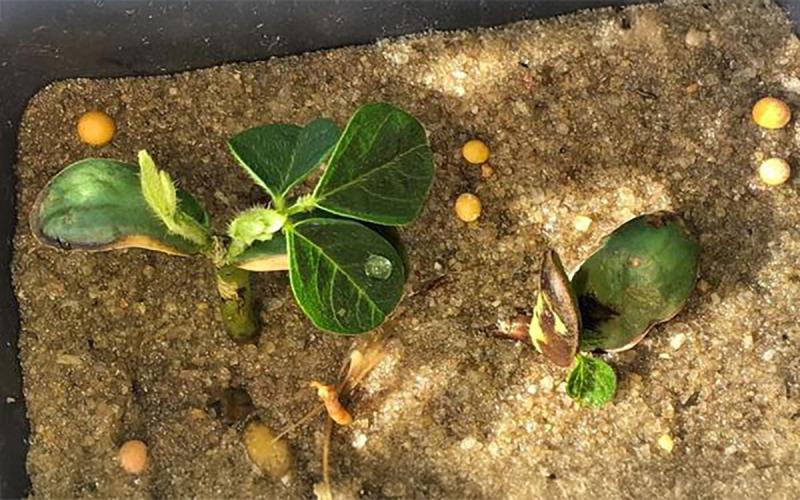
Wind and Rain May Have Delayed Preemergence Herbicide Application: What Now?
With recent winds and rain, preemergence herbicide applications may be further delayed. Scouting to determine if crops and/or weeds have emerged is critical to ensure effective and safe application of preemergence herbicides.
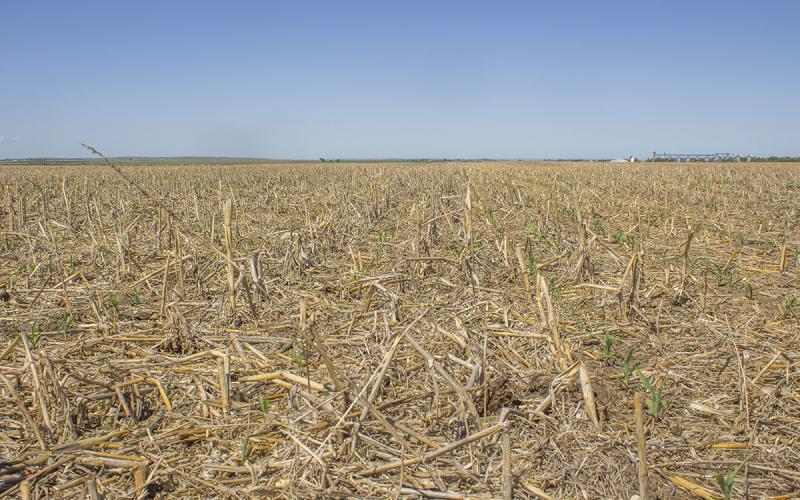
Dry Conditions May Hinder the Performance of Recently Applied Preemergence Herbicides
If a preemergence herbicide does not receive an activating rainfall, generally 0.5 to 1 inch of rain, many weeds will emerge, as the herbicide remains on the soil surface.
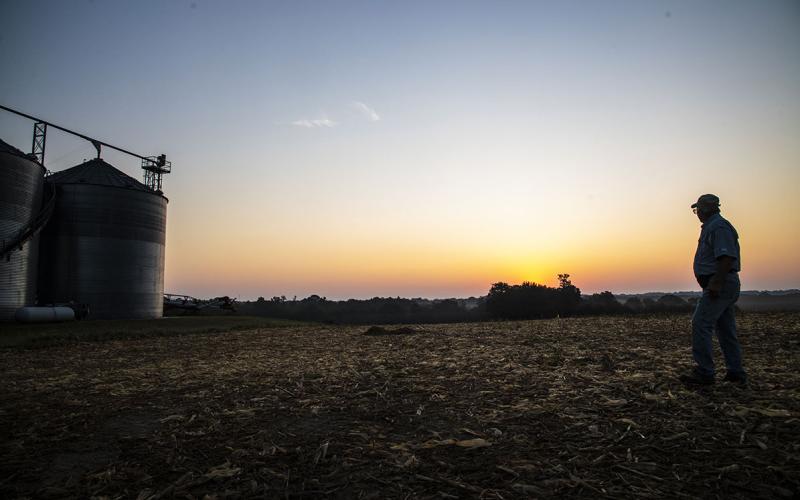
Early Preplant or Preemergence Applications for Weed Management in Corn: Which is better?
Preemergence herbicides should be a part of a successful weed management plan, as these applications limit the amount of early-season weed interference to limit yield loss and reduce selection pressure on herbicide-resistant weeds.
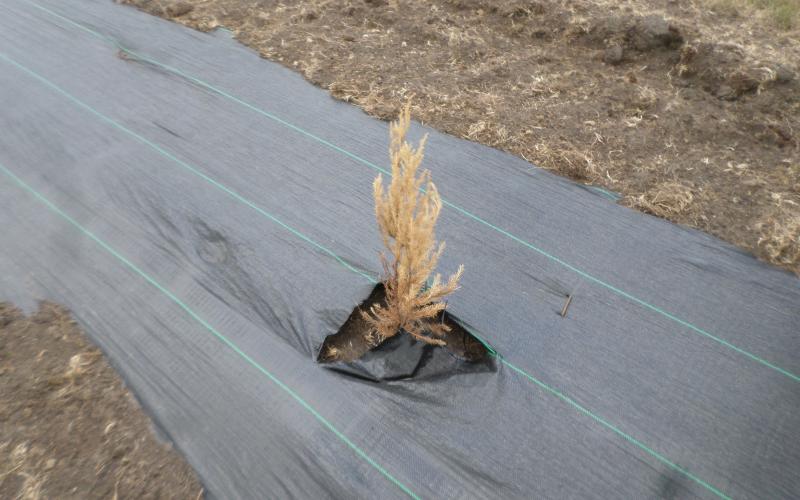
Herbicide Carryover and Planting Bare-Root Tree Seedling in New Windbreaks
Guidelines on herbicide carryover when planting bare-root tree seedlings in new windbreaks
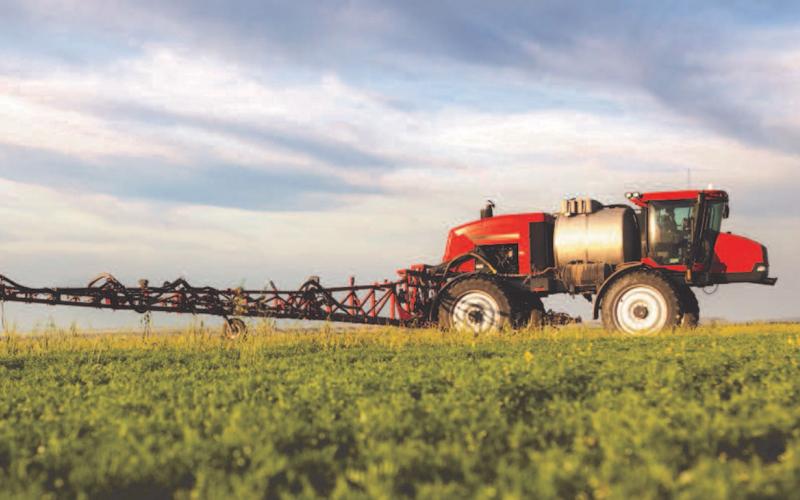
How to Stop Drift
The goals of applying any crop protection products include: increasing effectiveness, mitigating drift, and maximizing profits. We will focus on mitigating drift, even though all three interact with each other.
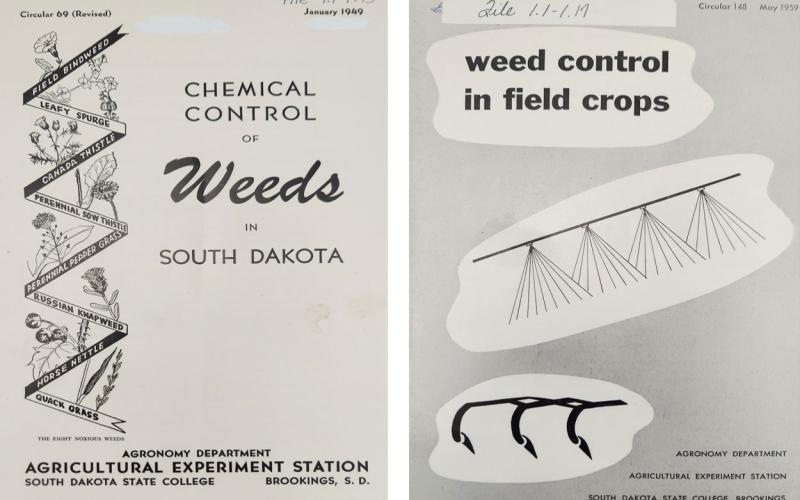
Revisiting Old Lessons in Corn Weed Management: 2,4-D and dicamba
What can past herbicide programs teach us about managing against herbicide-resistant weeds in corn today?

Now is Time to Plan Your Weed Management Strategy for the 2025 Growing Season
As harvest season comes to an end, now is the time to start formulating your weed management plan for next year. Learn some expert tips for getting your operation off to a good start next growing season.

Now is the Time to Plan for Noxious Weed Control in 2025
Since most of South Dakota has experienced several frosts, the opportunities for fall herbicide applications are likely over. Now is the time to plan for noxious weed management for both spring and fall tactics.