Climate
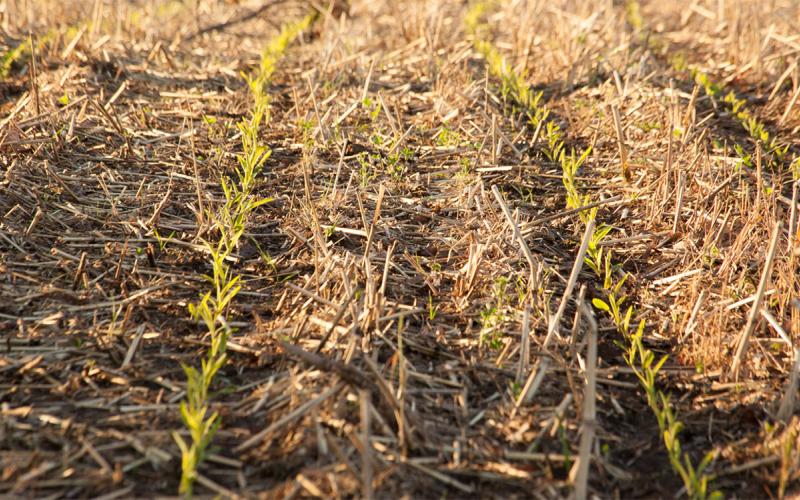
Estimating Corn Emergence With Growing Degree Days: Data from May 7, 2021
With corn planting well underway in South Dakota, the next step is monitoring its emergence. One of the factors that can speed up or delay corn emergence is air temperature.
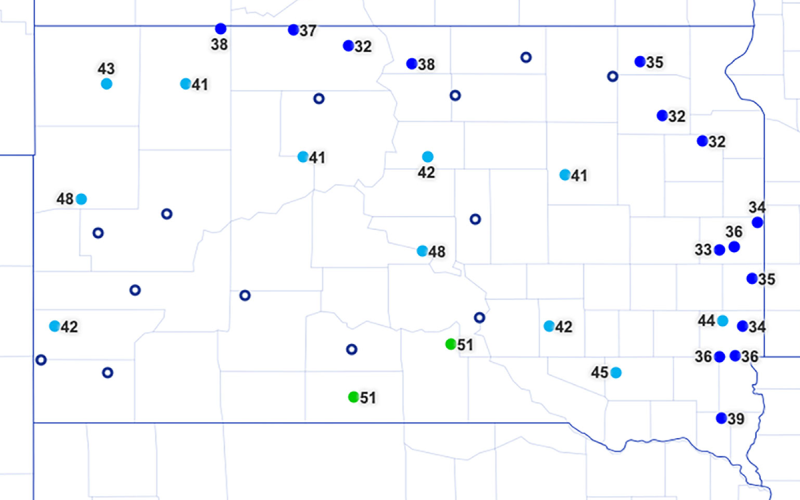
Delayed Planting Due to Soil Temperatures?
Although it can be tempting to get a head start with row crops, it's important to be mindful of soil temperatures and the risks associated with planting early.
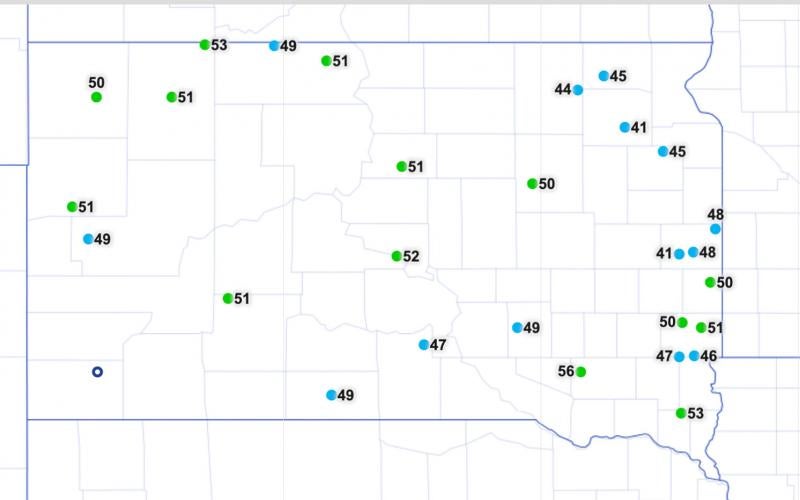
Soil Temperature for Planting Spring Crops
Soil temperature is an important consideration for deciding when to begin planting spring crops. If producers in South Dakota would like a quick reference for soil temperatures in their area, the SD Mesonet network measures soil temperature at several weather stations throughout the state.
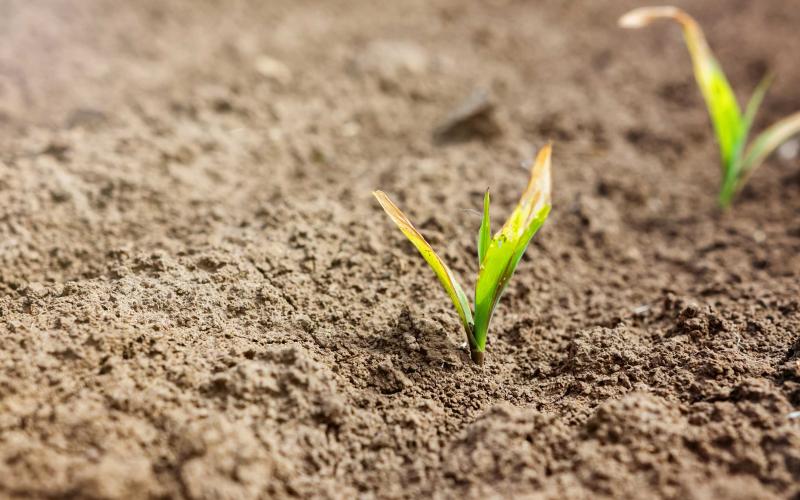
Low Temperature Damage to Corn and Soybean
Temperatures are forecast to reach 32°F or lower in large areas of South Dakota for several nights beginning on May 7, 2020. While a relatively low percentage of planted crops are likely to be emerged at this point in time, producers may still want to evaluate individual fields for crop damage.
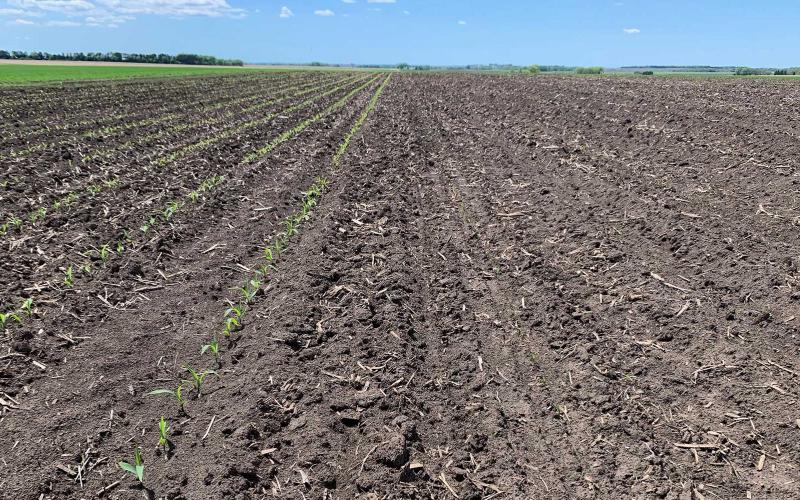
2020 Corn Growing Degree Days Update
Spring planting progress of corn in 2020 has been much ahead of a typical year in South Dakota. Crop development, however, seems slow.
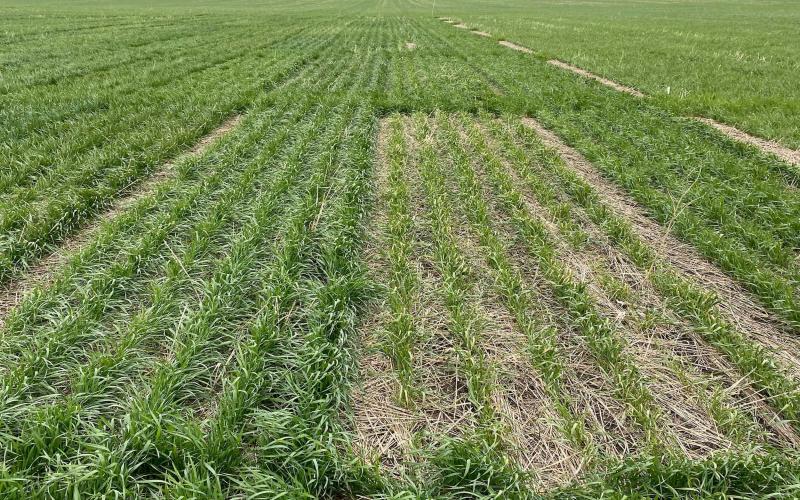
Low Temperature Effects on Winter Wheat
Low temperatures during the early morning hours of May 9–11, 2020 may have had detrimental effects on winter wheat in some areas of South Dakota. However, cooler spring temperatures that have slowed the winter wheat development this year may have actually been beneficial to S.D. producers, as later-maturing wheat is not as susceptible to injury from freezing temperatures.
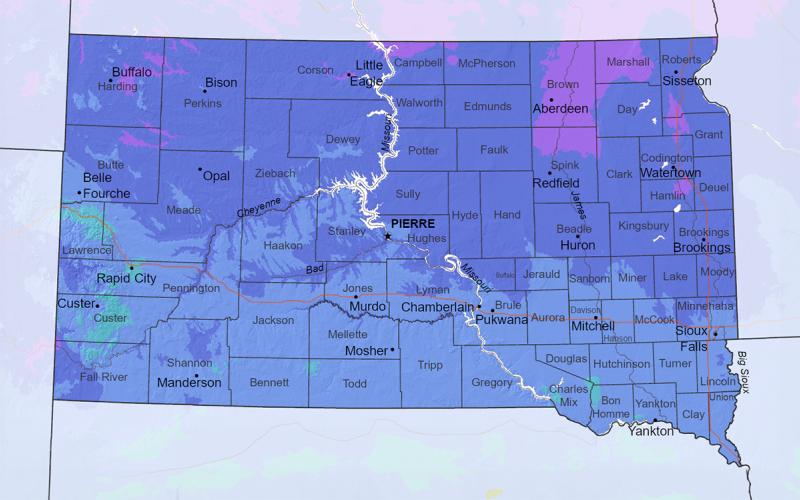
2023 USDA Plant Hardiness Zones
Winter and spring are a great time for planning new garden and landscape designs. Learn how recent updates to the USDA Plant Hardiness Zones may have South Dakota gardeners feeling extra adventurous when selecting new plants for their gardens this season!
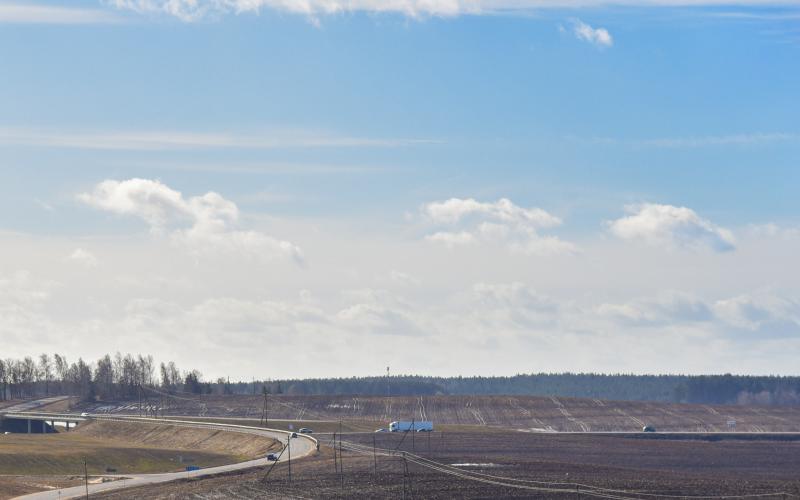
Spring Wheat 2019: A Repeat of Last Year?
The spring of 2019 has been cold and wet in many areas of South Dakota, similar to the spring of 2018. In 2018, despite the challenging weather, spring wheat acres were up 8% from 2017. However, planted acres in 2019 may be reduced as the extended weather forecast shows unfavorable planting conditions extending well into May.
2019 Corn Growing Degree Day Update
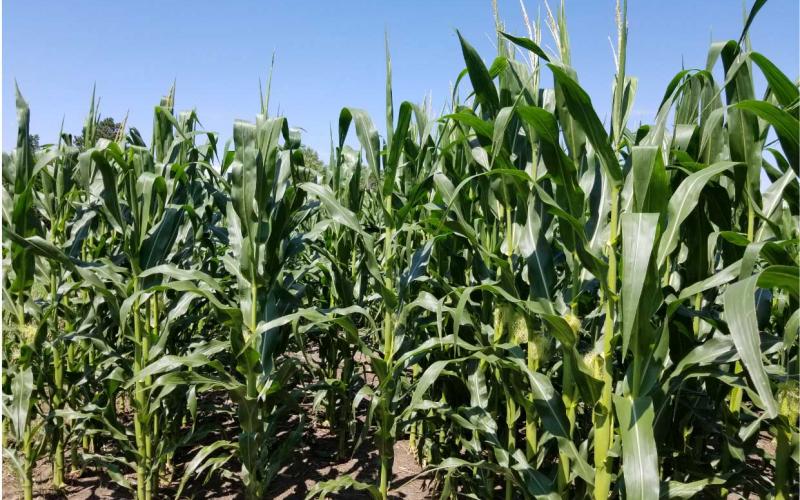
Growth and development in crops are a direct response to accumulated heat units or growing degree days (GDD). The Corn GDD Tool at the High Plains Regional Climate Center can be a useful resource for not only estimating crop growth stage, but also for selecting hybrids within the appropriate maturity group.
Are My Crops Susceptible to Chilling Injury?
To say that the spring of 2019 has been a challenge for South Dakota producers is an understatement. According to the USDA-NASS, corn and soybean planting progress in SD was pegged at 19% and 4% on May 20th, respectively, which is far below the 5-year averages of 76% and 39%. Last week was the first time much of either crop was planted in SD.