Beef Industry and General Management
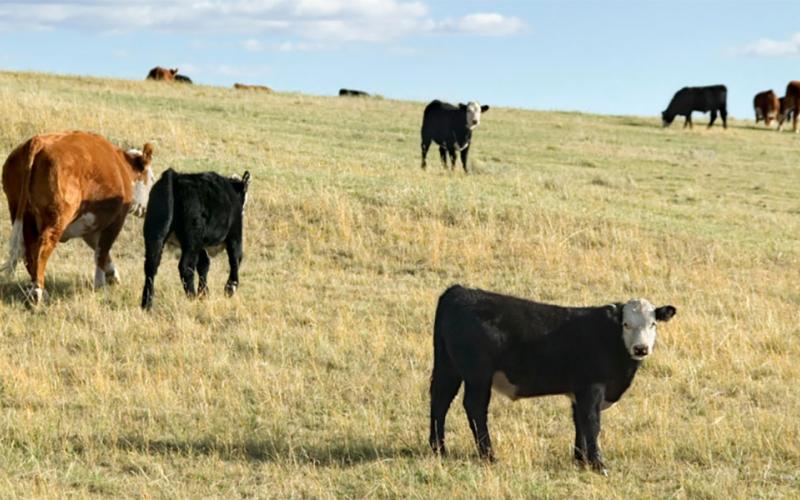
Barriers To Rotational Grazing: Perceptions From Ranchers in the Dakotas
Despite the potential benefits of rotational grazing, its adoption rate has stagnated in recent years. To help understand major barriers faced by producers towards rotational grazing, we conducted a survey among ranchers in the U.S. Great Plains.
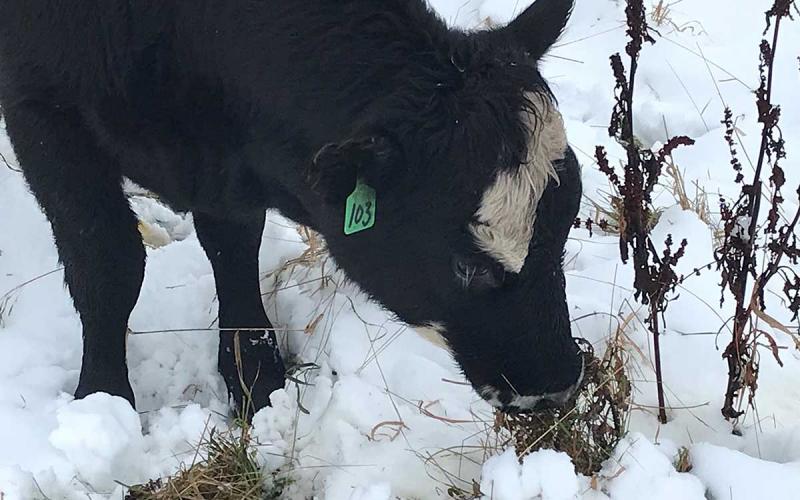
Plan Now to Control Weeds With Grazing Next Season
Livestock will graze Canada goldenrod, Canada thistle and perennial sow thistle. At certain times of the year, these plants have crude protein, total digestible nutrients, and invitro dry matter digestibility concentrations similar to alfalfa and other common forages.
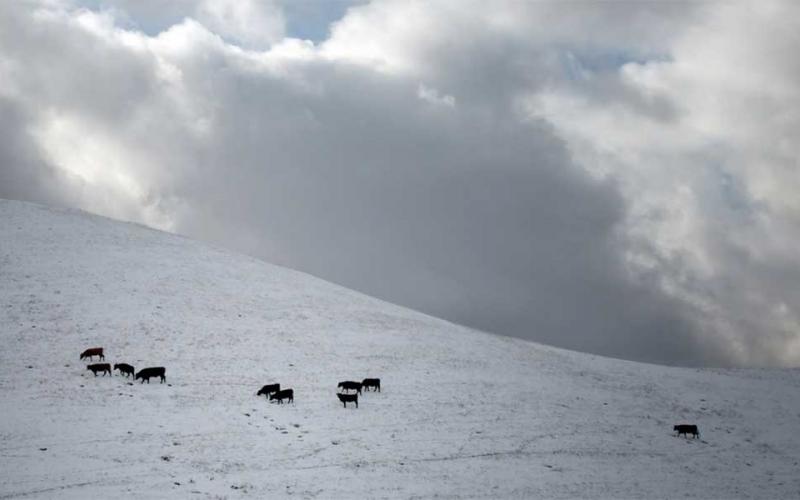
Rotational Grazing During Winter
Winter feed represents one of the largest costs for a livestock production enterprise. Grazing pasture that has been stockpiled for winter use is a rational alternative to limit costs resulting from both harvest and feeding of hay.
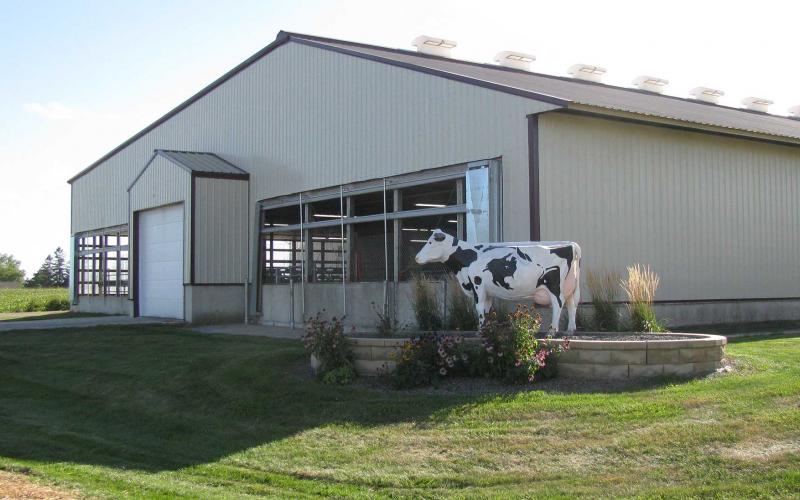
South Dakota Odor Footprint Tool
Two-part fact sheets explaining the South Dakota Odor Footprint Tool. Part I: Principles and Tools and Part II: Examples.
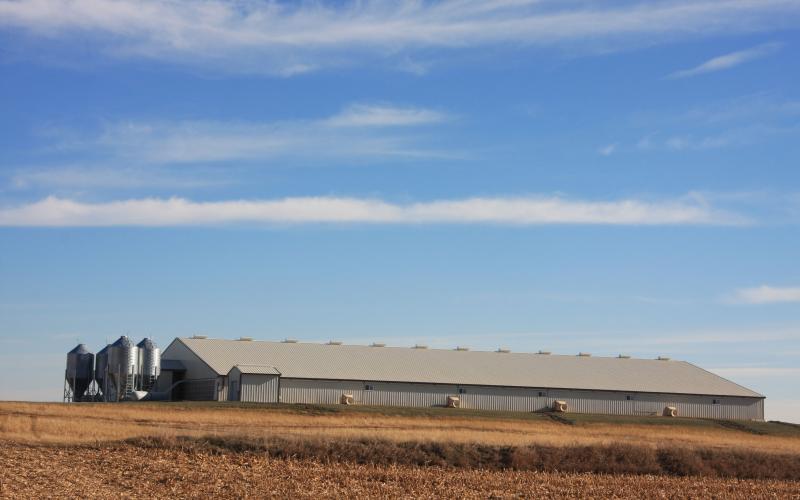
Optical Dust Meters May Misestimate Dust Concentrations in Animal Barns
Fact sheet aiming to address the measurement bias issue associated with optical dust meters.
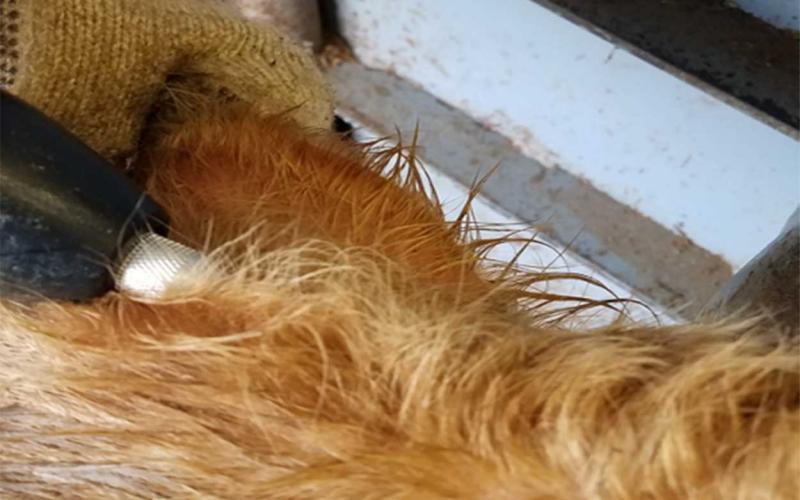
Questions and Misconceptions Surrounding Implants
Growth promoting implants are among the most widely used technologies in the beef industry. The first implant received FDA approval in 1954, yet in spite of a long history, there are still myths and misconceptions surrounding their use.
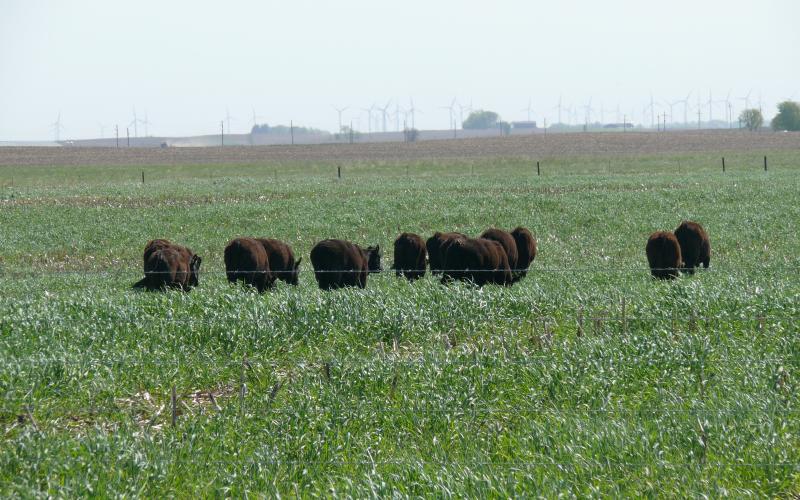
Cover Crops & Livestock Integration: A Profit Opportunity for S.D. Farms
Cover crops have been gaining a reemerging acceptance over the last decade, with very few producers disagreeing about the potential soil health benefits of adding cover crops to their farming operation.
![A herd of cattle gather around a stock pond on a vast, lush grassland. Courtesy: USDA [CC BY 2.0]](/sites/default/files/styles/teaser_800x500/public/2019-05/W-00231-00-cattle-grazing-grassland-pasture-range.jpg?h=8f818b46&itok=6GS1_Ww0)
Range Improvements, Grazing Systems and Net Present Value, What is the Right Balance?
As farms and ranches across South Dakota continue to endure increasing costs of production while receiving less cash for grain and livestock marketed; ranch managers must be extra diligent when implementing new range improvements and grazing systems on their ranches.
Being Proactive and Prepared During the COVID-19 Pandemic: Tips for South Dakota Farmers and Ranchers
August 10, 2020
Are you prepared to be gone from your operation for a month?

Livestock Market Disruptions
COVID-19 has affected the market availability for finished cattle and hogs. Some beef and pork processing facilities have closed for cleaning and social distancing of their employees. While some of these facilities have scheduled a date to reopen at reduced capacity, others remain closed with no announced plans to resume operations.