Written collaboratively by Anna Lagerhausen, Maddi Shires, Connie Tande, and Cody Molnar.
What diseases did you see on your wheat this summer? Our group observed many fungal leaf diseases across South Dakota wheat late in the season; diseases such as Stagonospora nodorum blotch, leaf rust, tan spot, and Septoria leaf blotch were observed in many fields. Additional diseases include other major pathogens like Wheat streak mosaic virus and Bacterial leaf streak. However, compared to recent years, 2026 saw a reduction in early season fungal disease intensity across the state. As a result, the rise of secondary pathogens were more prominent in areas of herbicide injury, hail, and drought.
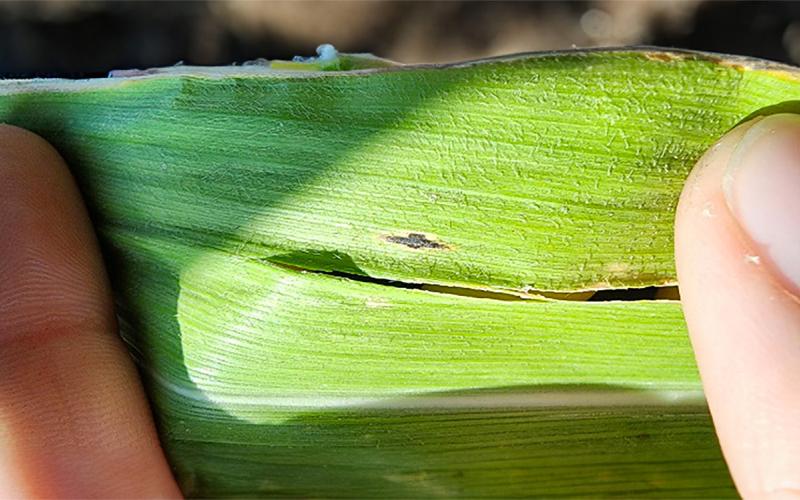
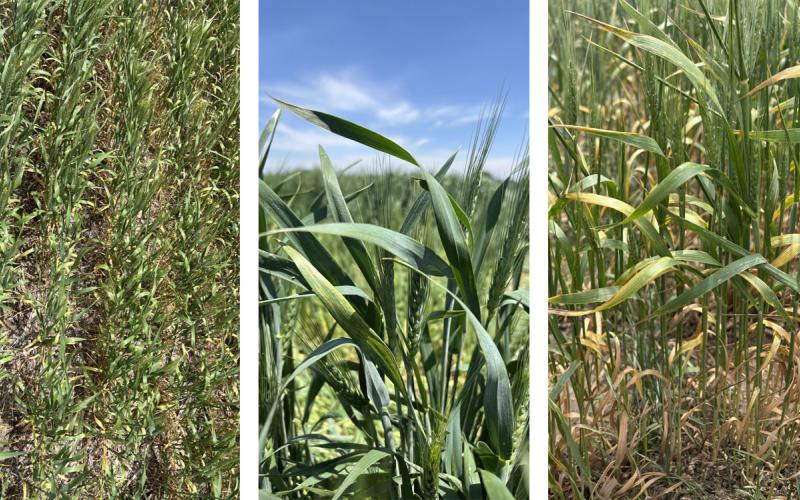
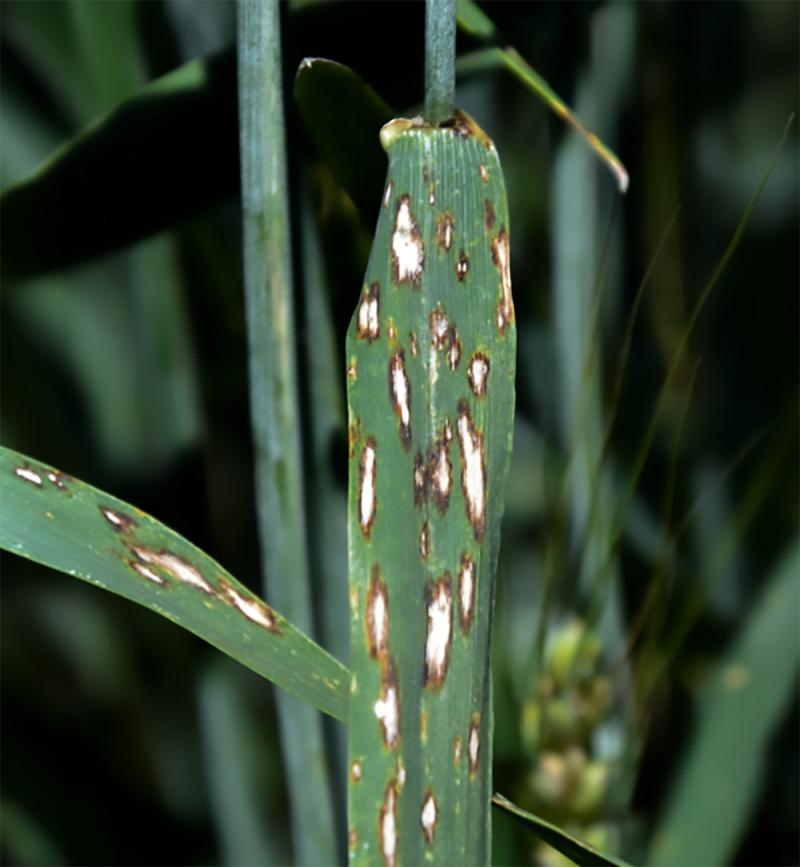
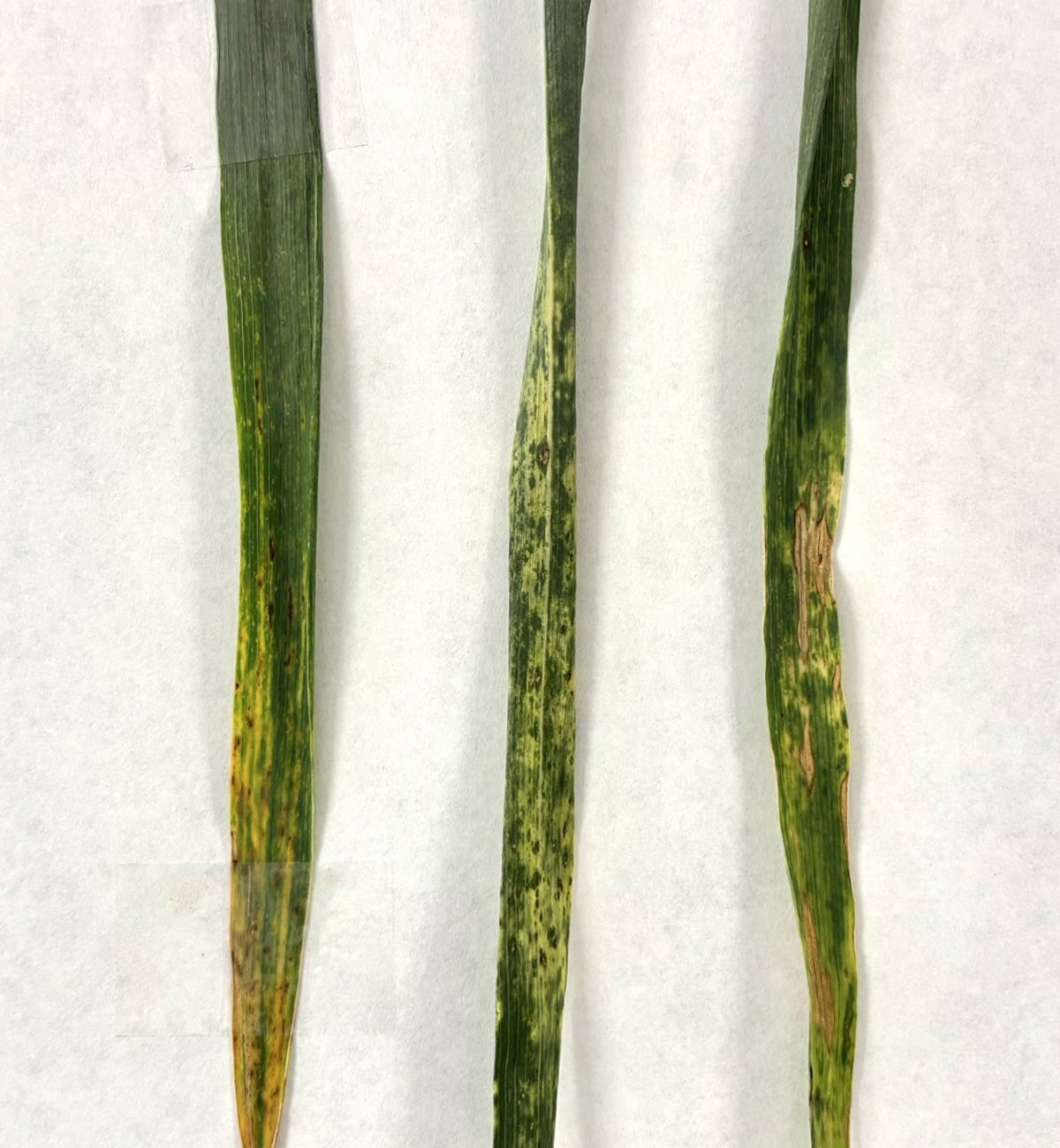
One such group of secondary fungal pathogens were the Alternaria species, which have been identified in a multitude of samples collected east of the Missouri river. This pathogen is infectious on its own and can cause Alternaria leaf spot disease. Typical Alternaria leaf spot is characterized by ovular white necrotic lesions, with a brown halo (Figure 1). This year, however, Alternaria is simply an addition to injured or infected plants and not the primary driver of disease. It became established in areas of already wounded tissue; therefore, there is no specific symptom that has been noted in affected plants (Figure 2). This secondary fungal pathogen has been confirmed microscopically, through spore identification. Conidia, which are deep brown colored fungal spores, can be identified in plant tissue lesions (Figures 3 and 4).
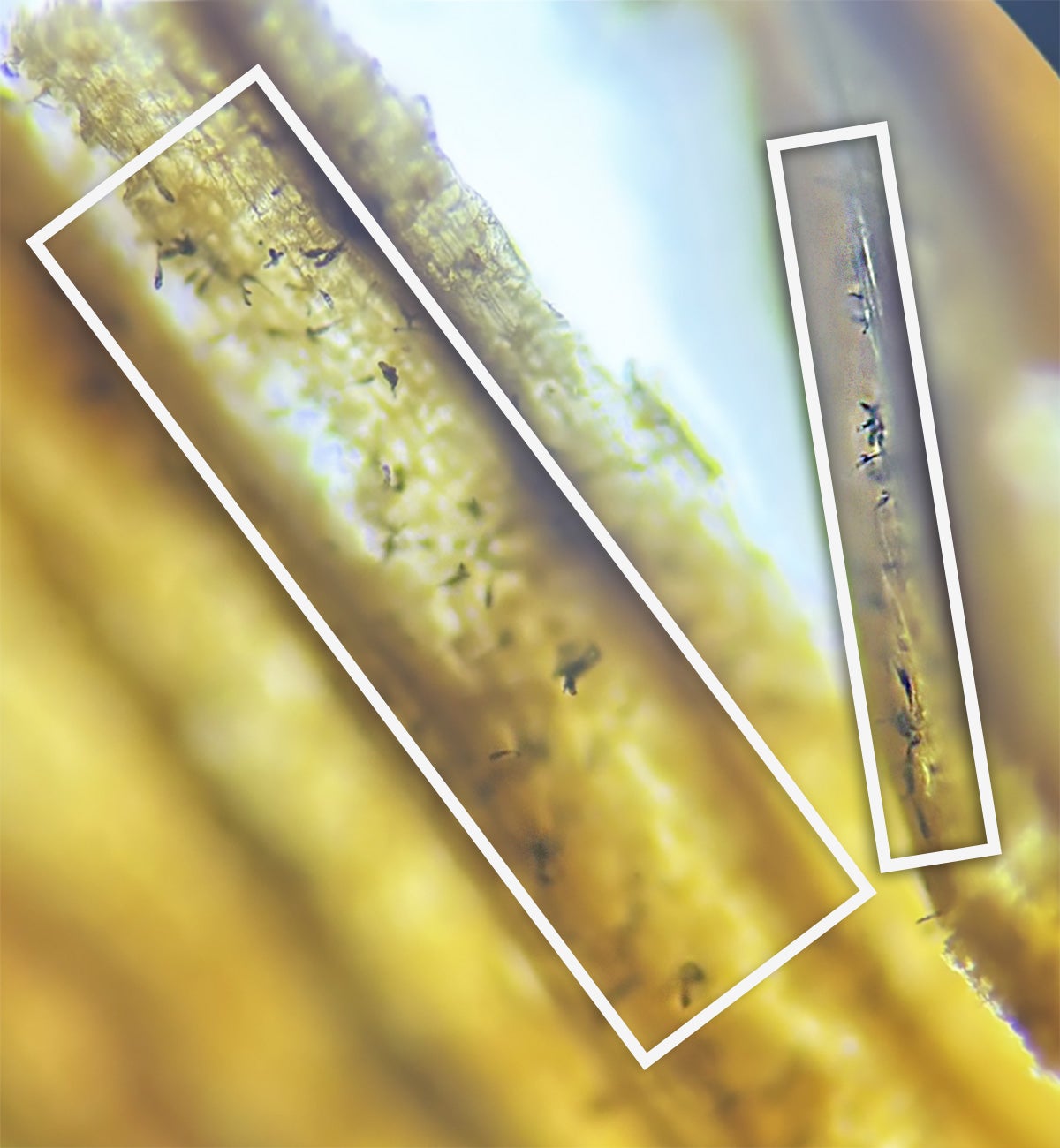
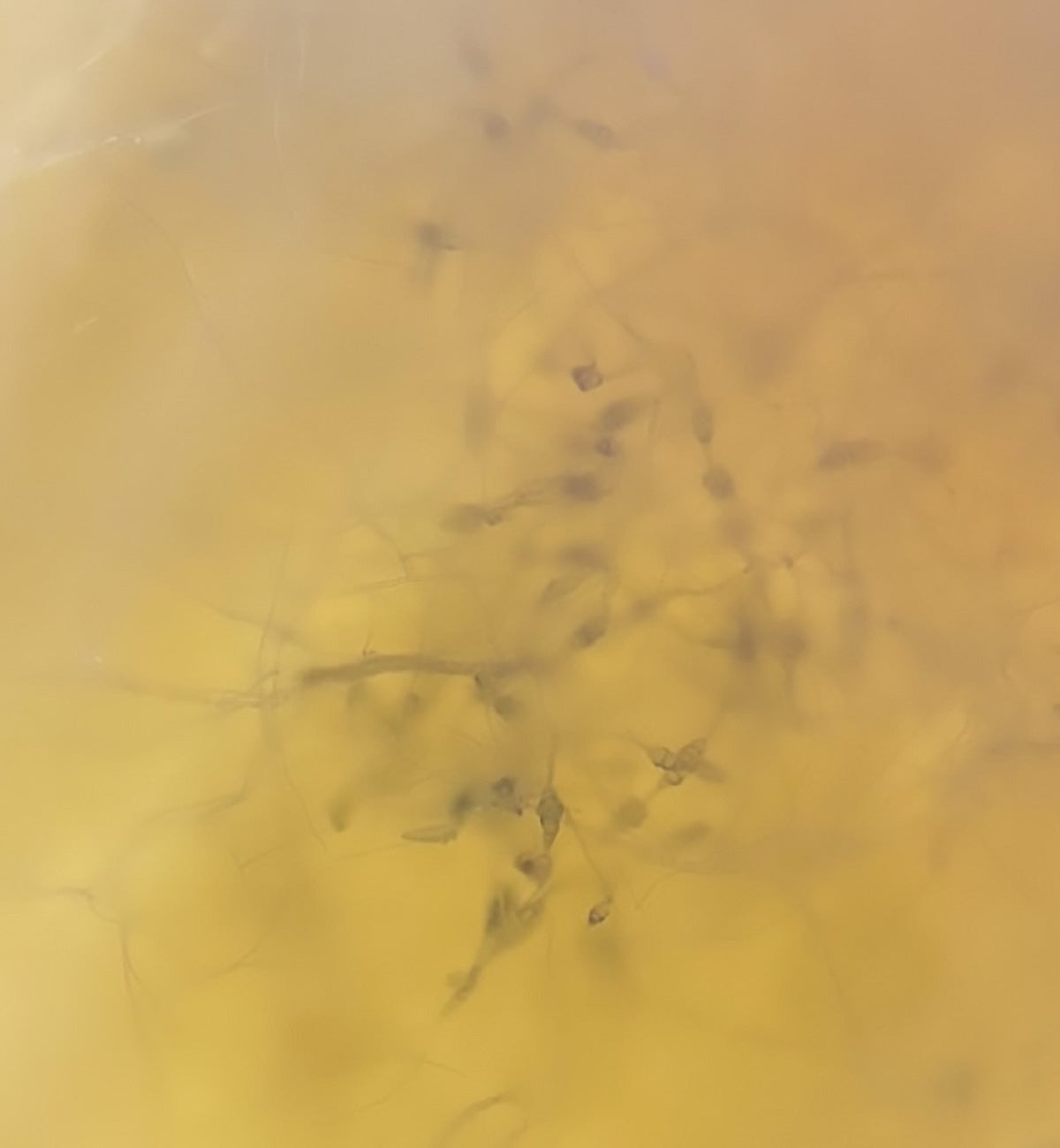
It is important to note that this disease is not necessarily a concern, rather we are hoping to bring insight to local growers into what was growing on their wheat this season.
An interesting note about this pathogen is that various species of Alternaria have been identified on nearly all plants collected this summer throughout surveys. Other species of Alternaria are noted for causing severe leaf disease on cucumbers and other horticultural crops, as well as internal rot of peppers and are frequently found on rotting fruits. While this pathogen can be controlled with fungicides, it is unclear if they are needed as yield loss in wheat is rarely reported.
Sources
- Alternaria leaf spot of wheat in New York, Cornell University.