Search

Mental Health and Creativity
Did you know that there are health benefits to being creative? It’s true! Even simple creative acts, such as coloring, have health benefits.
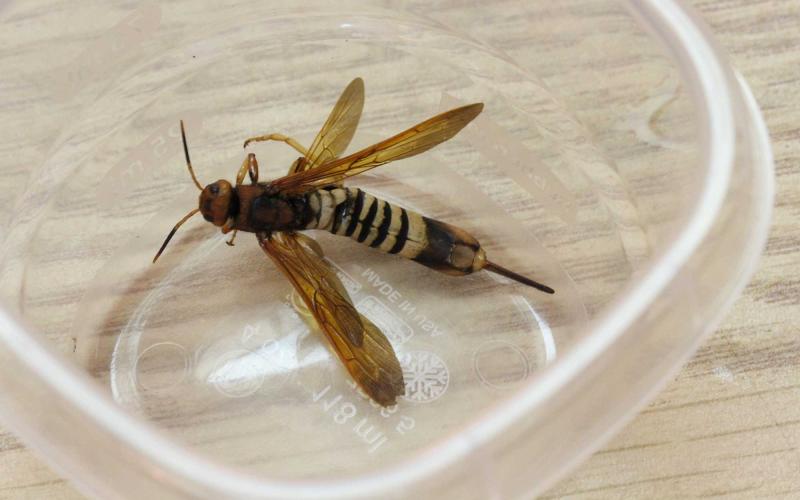
Huge Wasps on My Tree! No, Those Still Aren’t Murder Hornets.
Another insect that has been mistaken for the Asian giant hornet (also known by its media-popularized name of ‘murder hornet’) is the horntail wasp. Horntail wasps are wood-boring insects that are harmless to humans, as they do not have venom and cannot sting.

State Shoot Preparation: CMP
Coaches with youth shooting in the CMP competition are encouraged to read these quick tips before state shoot.

The Vital Role of Newcomers in Rural Communities: Making Places Feel Like Home
In small towns and rural areas, new folks bring big changes that matter a lot. And when they feel welcomed and understood, they stick around and help make things better for everyone.

Marketing Your Hometown
Is your small town ready to grow? Learn how Marketing Hometown America, an Extension-based program, can help your community develop a plan to attract new residents!
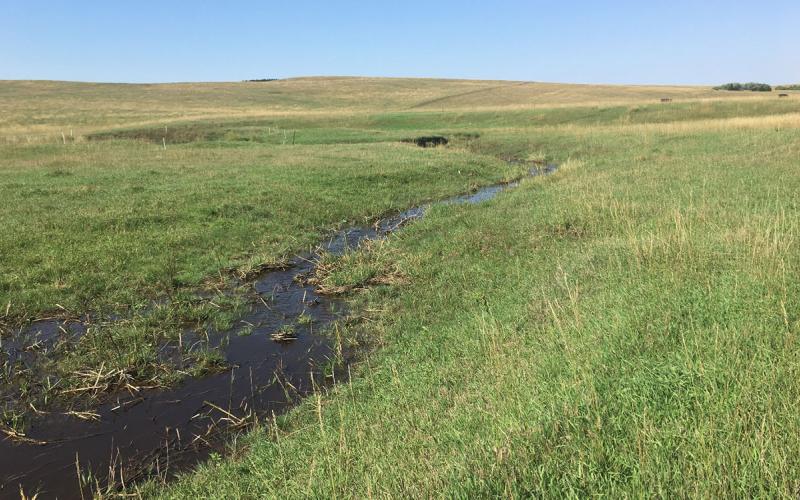
Fall Grazing: A Cautionary Tale
It is very tempting to graze new, green cool-season grasses when pastures are dry most of the summer. However, caution should be taken to not overgraze this green-up.

Health Insurance Benefits: Don’t Let Them Go to Waste
As the end of the calendar year approaches, does your health insurance calendar year also end? Health insurance often provides free preventive care checkups or funds for flexible savings accounts (FSA) or health reimbursement accounts (HRA).
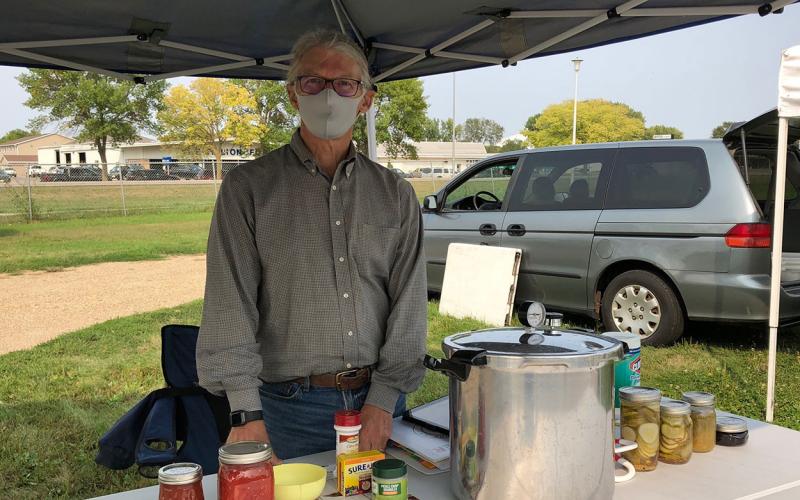
Schreiner Turns Backyard Hobby Into Community Support
Whether volunteering as a Master Gardener or a Master Food Preserver, Tim Schreiner says the interaction with people and seeing that “light bulb” moment after a conversation is really the fun part of the programs.
Going Once, Going Twice…Here Come the Fall Calves
During this episode of Cattle HQ, Madison Kovarna sits down with Michael Drotzmann to take a peek behind the auction block.
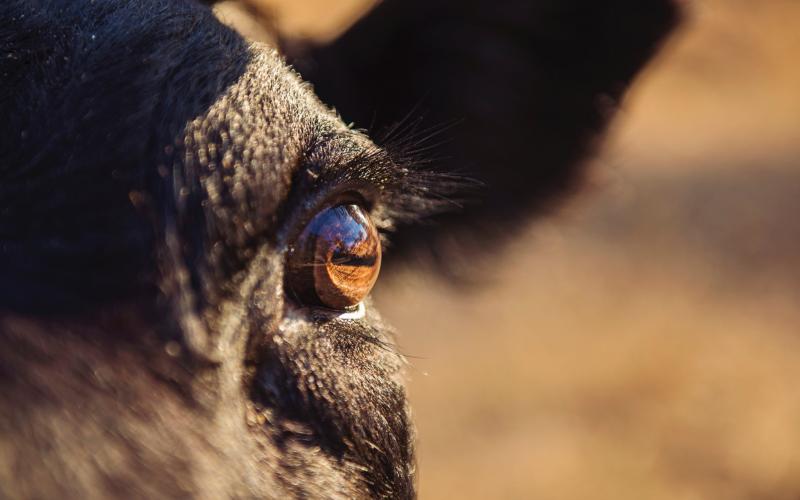
Anthrax: Vaccination Considerations
Anthrax is caused by bacteria, Bacillus anthracis, which has the ability to form very resistant spores in the soil. These spores can remain viable for many years on pasture, and become reactivated when the right environmental conditions exist. Fortunately for cattle producers, losses due to anthrax can be prevented through use of a vaccine that has proven its effectiveness through the years.