Search
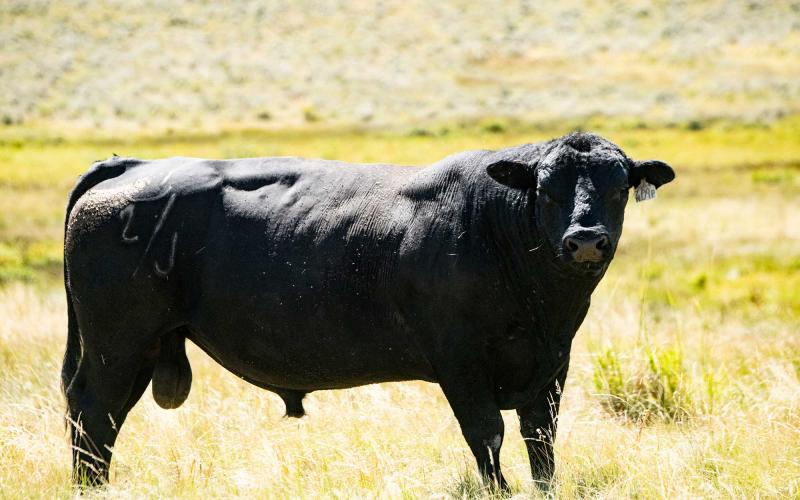
How Many Bulls Do You Need When Synchronizing With Natural Service?
The use of estrous synchronization with natural service provides an opportunity to utilize the benefits of synchronization. However, the first question producers ask is, “How many more bulls do I need?”
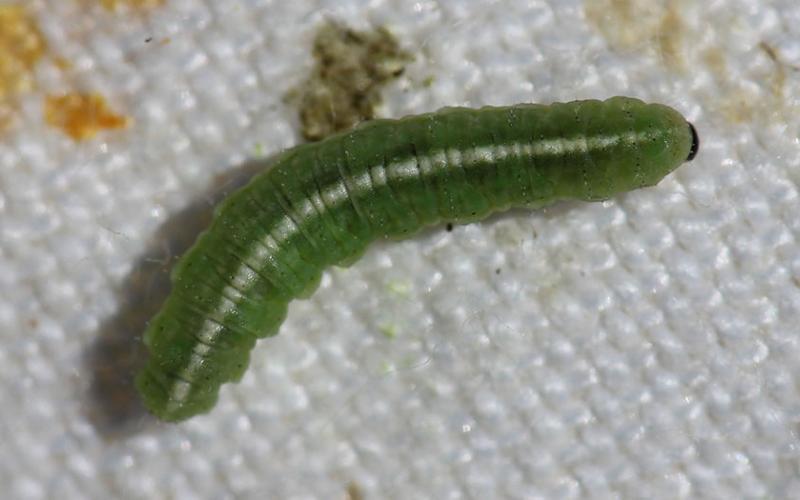
Alfalfa Weevil Activity Prediction Update: June 1, 2020
Activity of alfalfa weevils has been documented in many areas of South Dakota during the last week. At this time, the entire state has accumulated enough degree days for alfalfa weevils to be active.

It’s Time to Scout for Alfalfa Weevils
The 2018 and 2019 alfalfa weevil populations were relatively low, and as a result, we didn’t receive very many calls regarding this pest during those years. However, 2020 has been quite a bit different, and alfalfa weevil populations seem to be much higher.
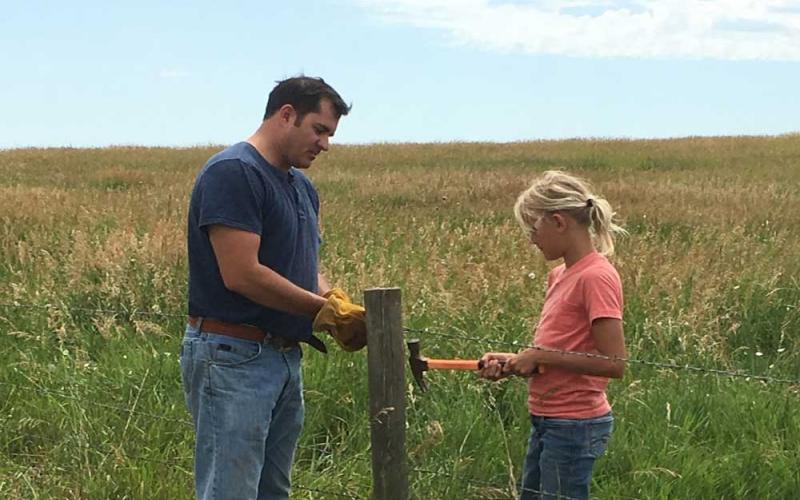
Strategic and Scenario Planning in Ranching: Conducting a Ranch Inventory
During times of belt-tightening, it’s imperative to make sure all the resources of the ranch are being utilized as efficiently as possible. Conducting a complete ranch inventory is a perfect time for ranch managers to take an in-depth look at their operation.

Watch for Pea Aphid Populations in Alfalfa
Recent reports have indicated that pea aphid populations are very large in some alfalfa fields and should continue to be monitored and possibly managed.
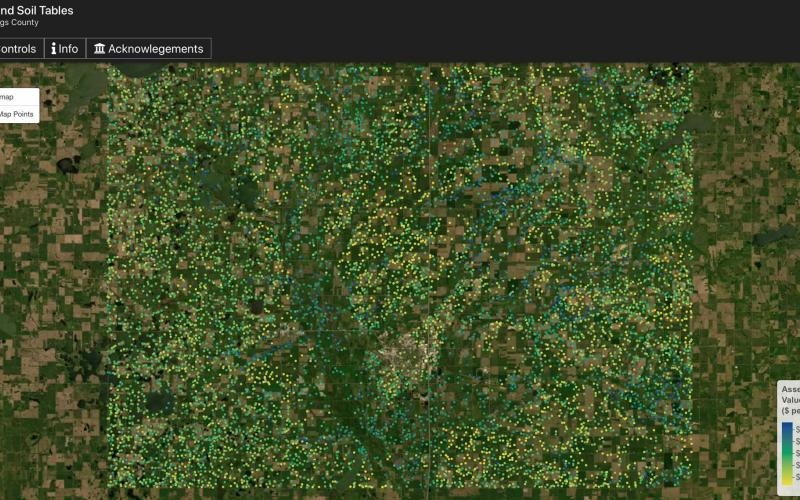
South Dakota Agricultural Land Soil Productivity Tool
The Ag Land Soil Tables Tool allows users to view soil data and download data by county to further understand the soil rating system. It can help appraisers make baseline agricultural land assessments and determine if adjustments from baseline are needed.
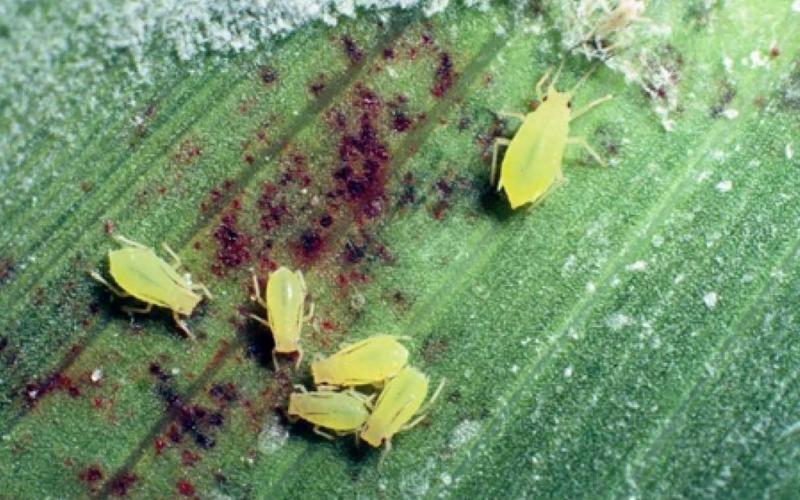
Low-Level Aphid Populations Present in Wheat
Reports of aphid populations in wheat fields have been slowly increasing in the past week. Most of these populations are well below the economic threshold, but there is a potential for them to increase.
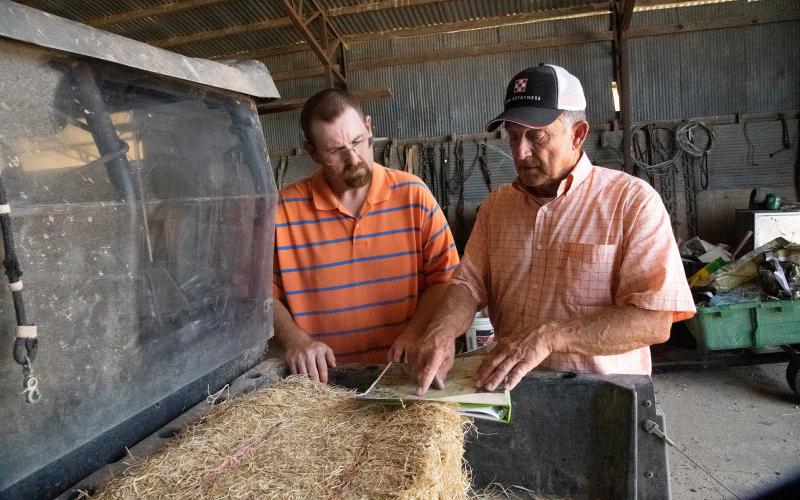
Livestock Risk Protection for Cattle
Price rallies, general price volatility and concern that prices may move lower could lead producers to insure livestock prices. Livestock Risk Protection is an insurance program that covers the single-peril or risk of lower prices on fed cattle and feeder cattle.
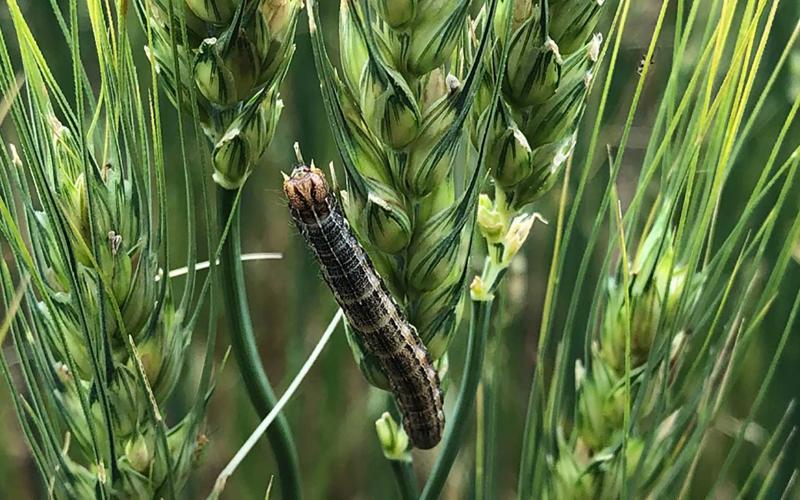
Scout for True Armyworms in Oats and Wheat
During most years, we start worrying about true armyworm activity in wheat fields in mid-July. However, the strong southerly winds that we experienced during the last two weeks pushed several insect pests north ahead of their normal schedule
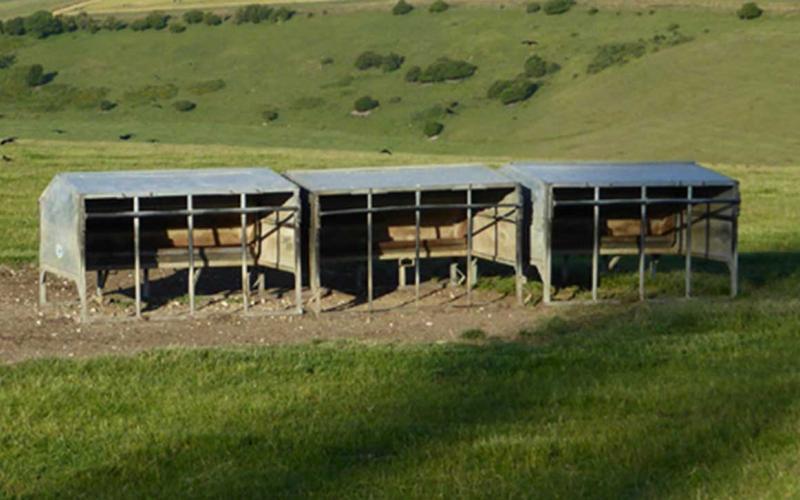
Creep Feeding Options: Will it Pay?
Creep-feeding should be evaluated on yearly basis to determine if it will provide production and economic benefits to the operation.