Search
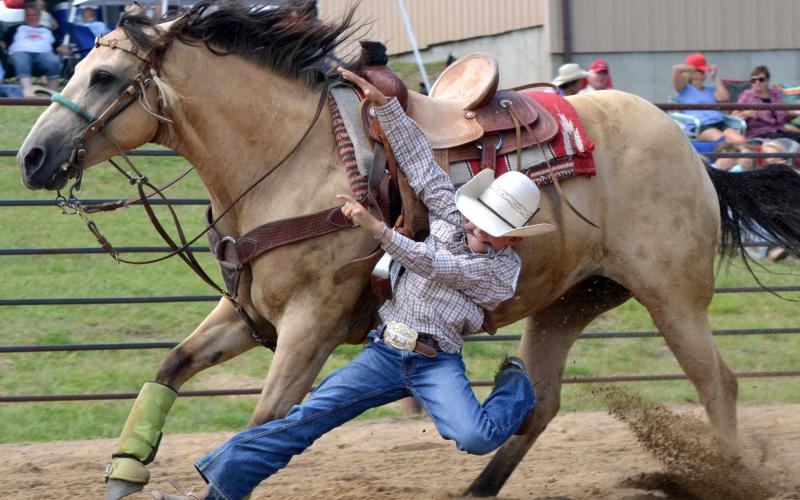
4-H Horse Project
Saddle up for the Horse 4-H project area! Become experienced in horse nutrition, handling, safety, and care. Participate in the county horse program and show to learn riding techniques, patterns, and showmanship
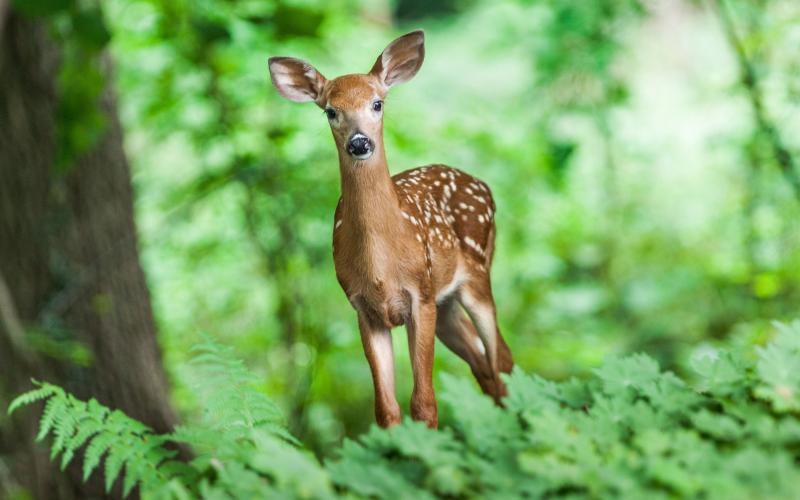
4-H Wildlife & Fisheries Project
In the wildlife and fisheries 4-H project area, youth can discover the ecosystems and animal species around them and gain expertise with fishing. Discover concepts in biology and use that knowledge to conserve wildlife habitats and natural ecosystems or catch and interest in fishing.

4-H Leadership Skills Development Project
The leadership skills development 4-H project area is designed for youth to identify and achieve the skills needed to be a good leader. These skills can be developed through experience in a group setting or leadership position or by participating in activities focusing on communication, organization, responsibility, and teamwork.

Protecting Yourself From Frauds and Scams
Tactics used by scammers have shifted drastically in recent years, with online scams rising 87% since 2015. Learn how to ecognize and protect yourself from some of the most-common scams in South Dakota.

4-H Wood Science Project
Woodworking is a valuable skill for a hobby, household repairs, or even a career. Learn about types of wood, uses for various kinds of wood, how to make connections and joints, safety tips, common tools and project ideas from the very simple to impressive!
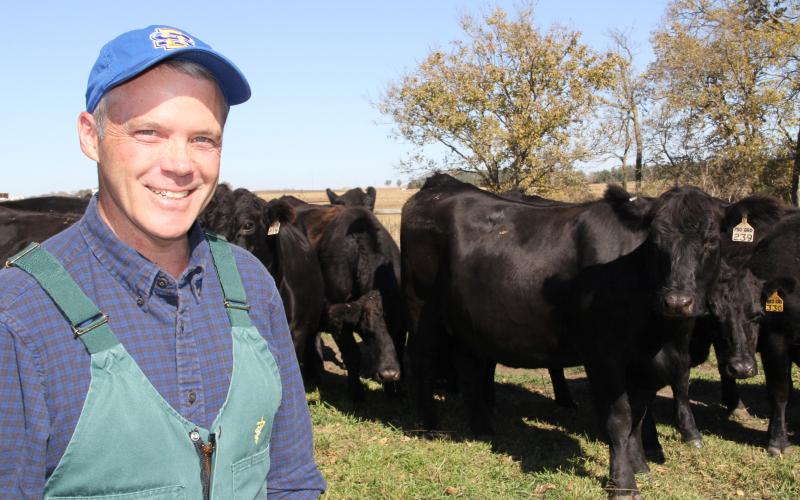
Five Tips to Keeping Livestock Vaccines Viable on Farm
September 09, 2021
Whether the producer/veterinarian team chooses an inactivated or modified-live virus vaccination program, Daly says it’s important that the vaccines don’t go past their prime.
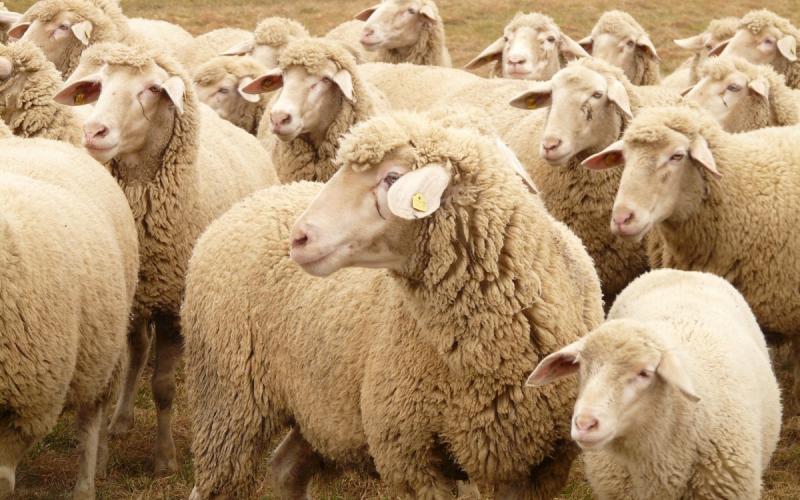
Using Corn Silage in Sheep Diet Formulations
Many Midwest producers have limited options for their primary forage source this year and, must utilize ear-less corn stalks as silage for their in livestock feeding systems. Despite the lack of ears on stalks in some areas the resultant corn stover silage is still expected to contain 80% of expected level of energy under normal growing conditions.

4-H Entrepreneurship Project
The 4-H entrepreneurship project will help you explore what it takes to start and own a business. 4-H connects youth to important careers and strengthens their entrepreneurship skills.

Keep Moving This Holiday Season
As we transition into the busy holiday season, it can be challenging to stay active. However, staying physically active during the winter months is just as important as any other time of the year.
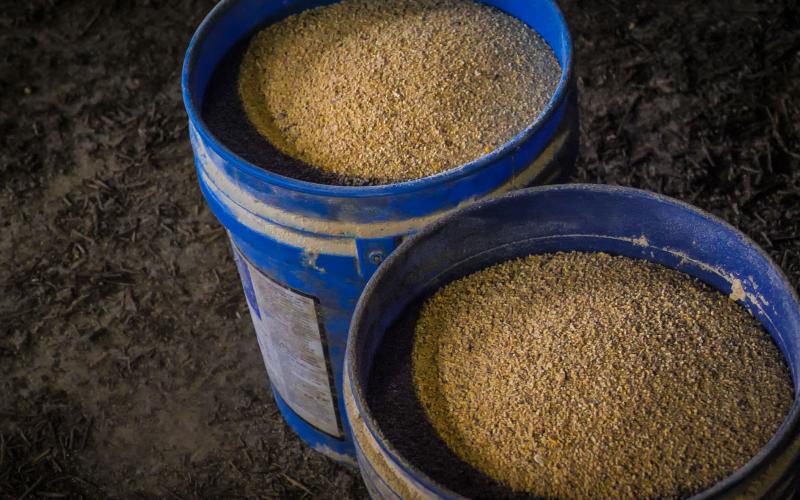
Evaluating Feedstuffs on Nutrient Cost-Comparison Basis
Feed costs in dairy diets typically make up half or more of the input expenses of a ration. Thus, it is imperative to keep a handle on input costs by comparing ingredients on an apples-to-apples basis when looking for cost-effective diet solutions.