Search
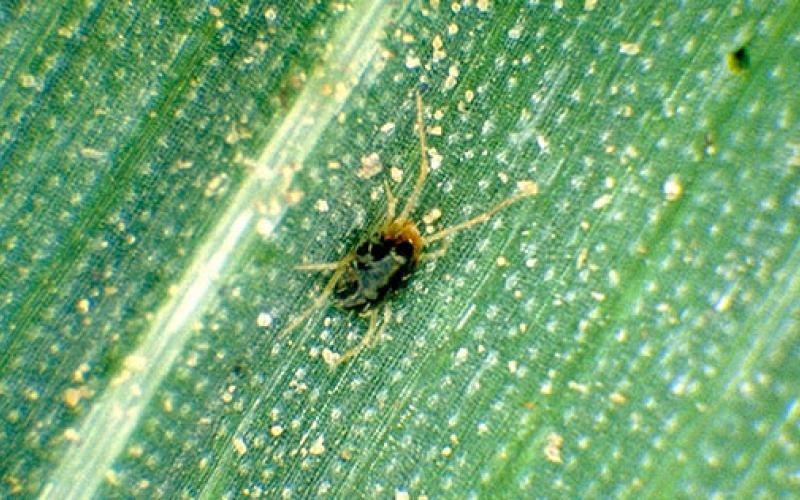
Scouting Winter Wheat for Mite Pests
Winter wheat planting is underway in South Dakota. After wheat emergence, it is important to scout for brown wheat mite and wheat curl mite populations.
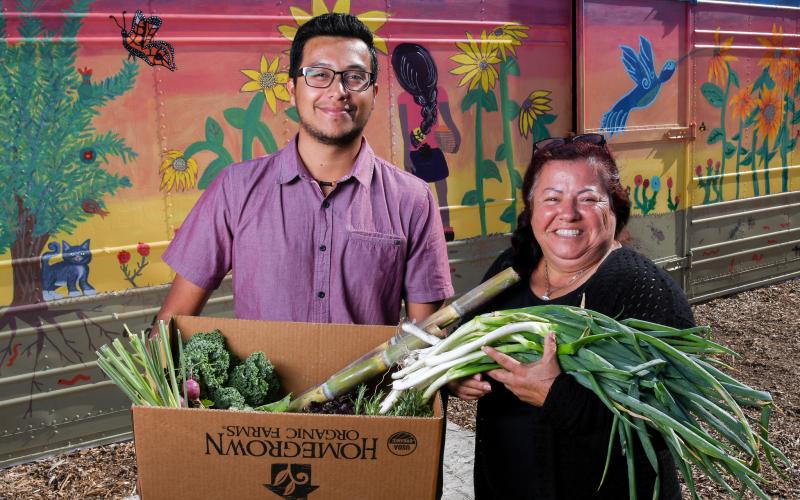
CSA Subscription ‘Box’
Community Supported Agriculture (CSA) subscriptions vary by producers; there is no set rule on the package size or box contents.
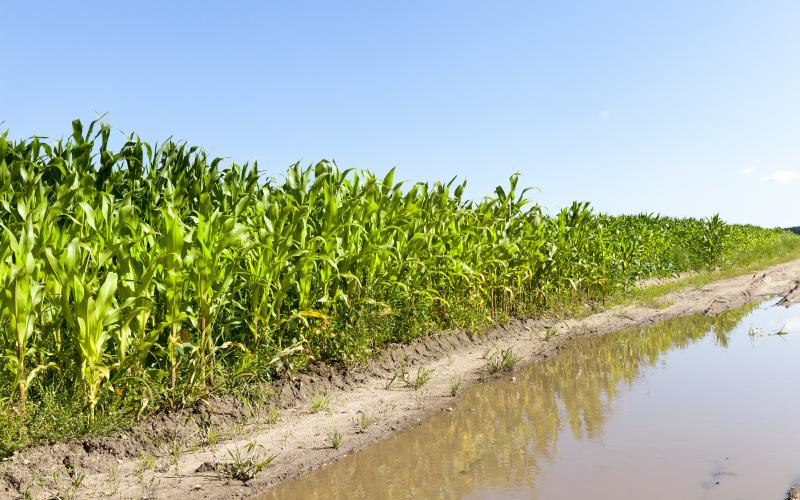
Ag Land Assessment
The Ag Land Highest and Best Use (HBU) study was funded by a special appropriation in the 2016 Legislative Session (HB1007).
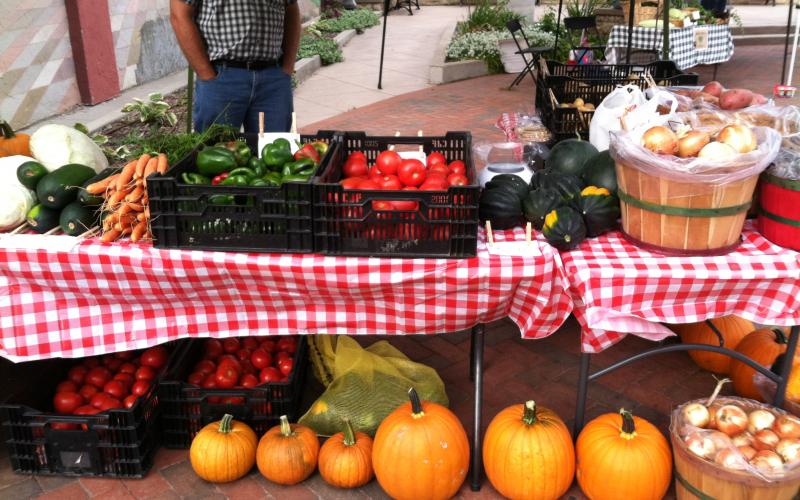
Developing a Vision Statement for a Farmers Market
The Vision Statement is a picture of what the market organizers want the market to look and feel like in the future.
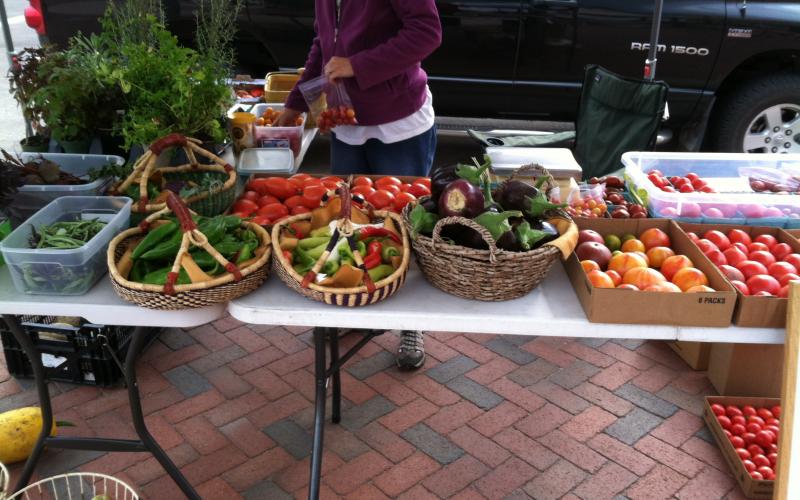
Farmers Market Food Safety: At the Market
Displaying food and produce safely requires attention to reducing the risk of contamination.
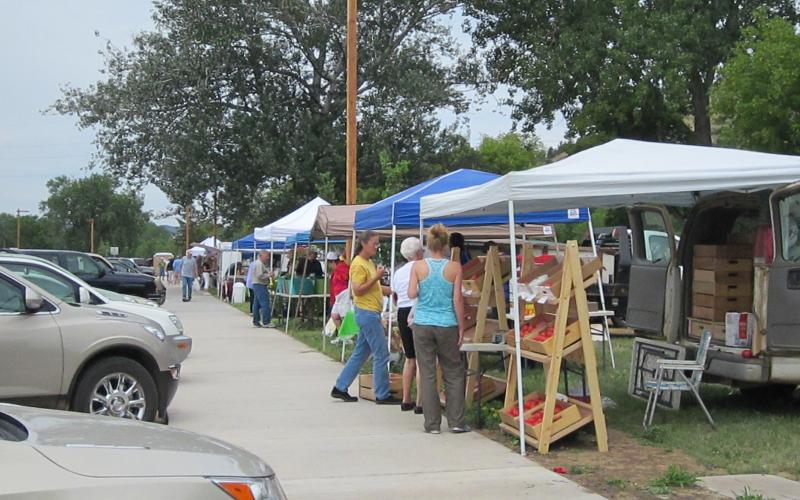
Drafting Farmers Market Documents: Market Rules
It is strongly recommended that new and existing farmers markets draft rules to govern the daily operation of the market.
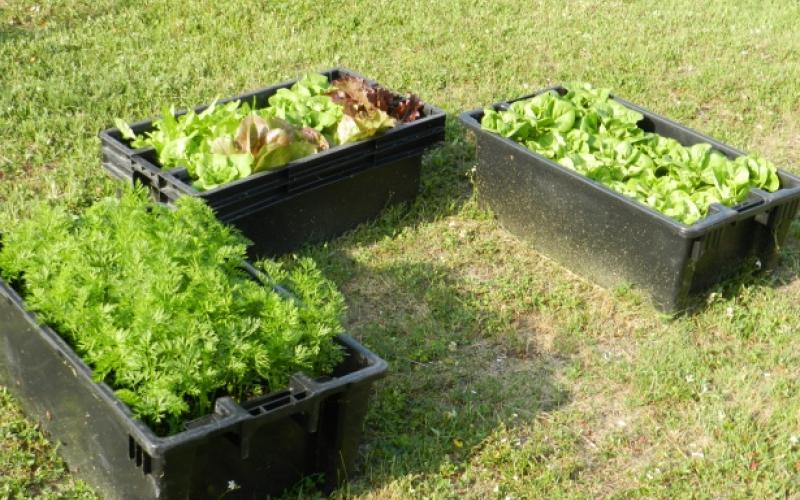
Growing Vegetables in Tubs
You can grow lots of vegetables in plastic container gardens. The important things to remember are using a good growing medium and keeping enough water on the plants as they get larger.
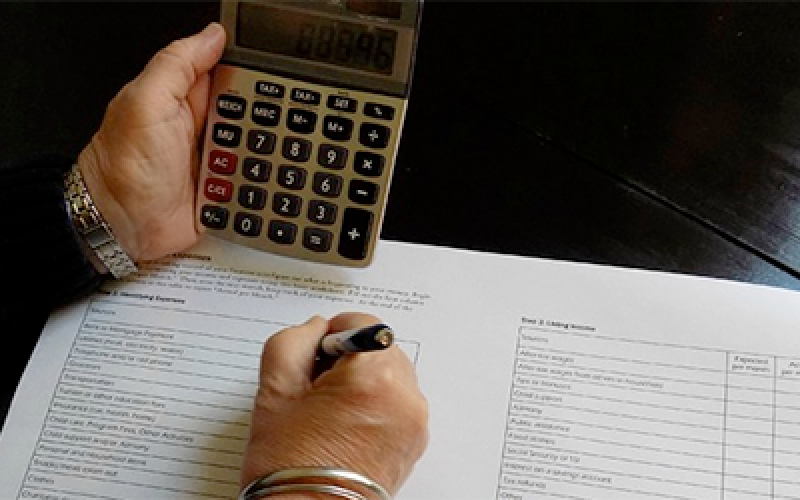
Budgeting With an Irregular Income
If you are a business owner, farmer, rancher, earn based on sales commissions, or are seasonally employed, you may not have consistent income from month to month.

12 Tips to Simplify Your Finances
With each passing day, the demands on our time and financial resources increase causing us to do more in less time or spend more money on fewer items.

4 Tips for Managing Money on a Low-Income
The number of families in the United States whom are in poverty is increasing. Nearly one-third of all working families or 10.4 million families are considered low-income.