Search
iCook
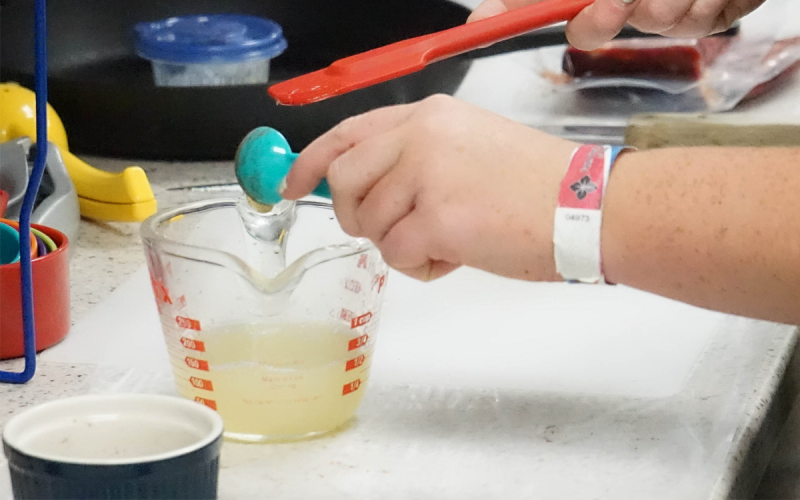
Curriculum intended for out-of-school settings with the goal of promoting healthy lifestyles for 9- and 10-year-old youth and the adult who prepares their meals
Soybean Production: Cost-effective pest management practices
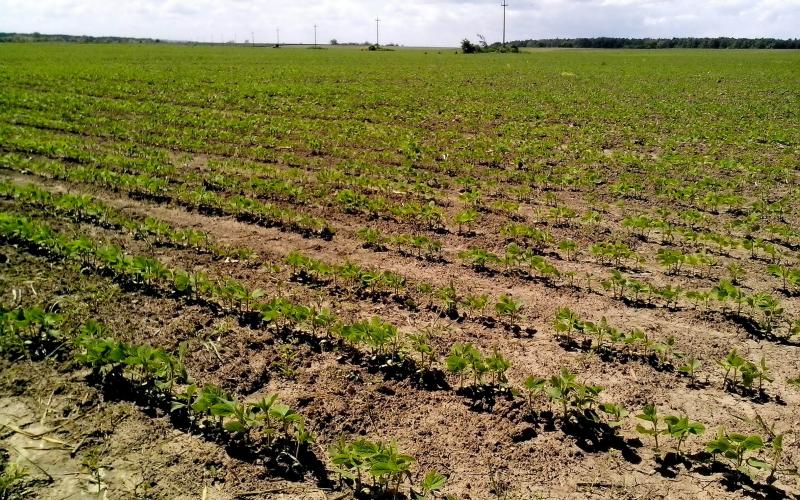
Chemicals were one of the most expensive individual costs in soybean production, behind only to seed in the non-land cost category. The average cash-rent soybean production farms incurred a crop chemical cost of $39/ac in 2015, an 88% increase from 2010.

4-H Energy for Farm, Home & Transportation Project
Energy is a property that allows objects to move, affect others, or change temperature. There are various forms of energy including electrical, mechanical, chemical, thermal, or nuclear. Energy can be transformed from one form of energy to another but it is never lost.

Community Wellness Coalitions
Community wellness coalitions bring together community-based organizations, stakeholders and wellness experts to identify and address wellness challenges.
Cover Crops 2019: What to Plant When
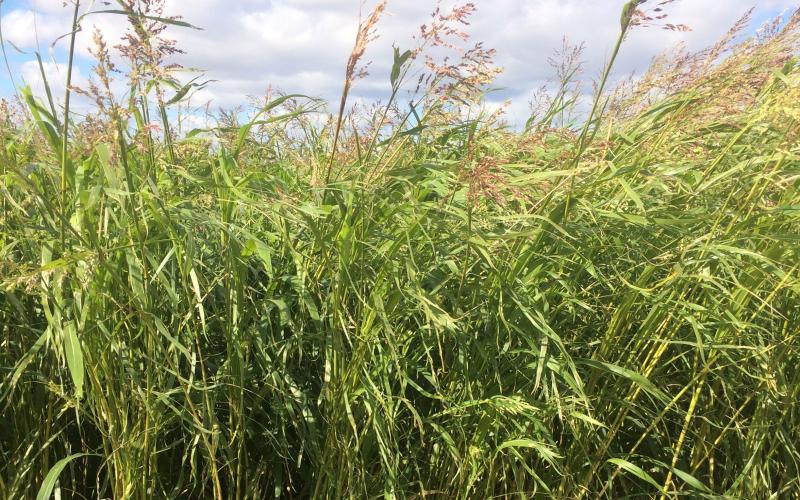
As many Midwest producers look to cover crops to build soil health and provide supplemental forage after a soggy spring, many questions are arising regarding management decisions, specifically, species selection and planting timing.

Farm Programs During COVID19: Making Government Programs Work for You
October 15, 2021
The I-29 Moo University webinar series continues with a presentation by Megan Roberts, Minnesota Extension Ag Business Management Specialist, on Wednesday, November 4.
Agricultural Safety Around Overhead Lines
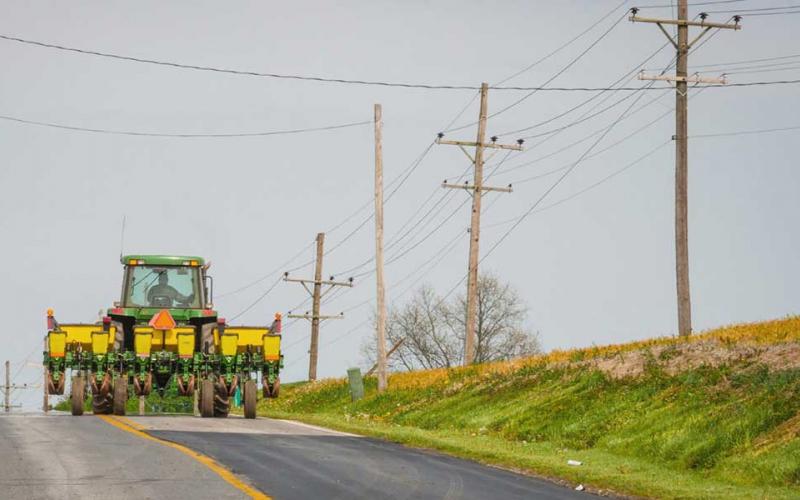
Every year farmers are injured or killed in electricity-related accidents. Assessing the electrocution hazards around your farm and fields and developing a safety plan for your operation can save lives.
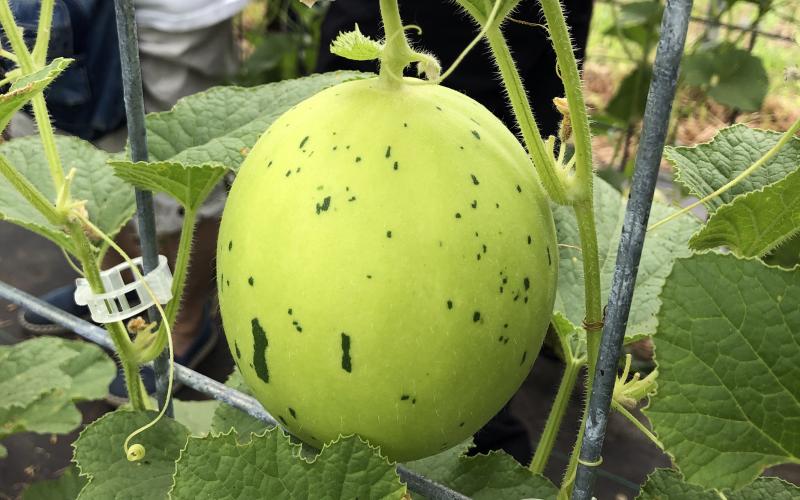
SDSU Extension to host Corn and Melon Disease Workshop at SDSU Southeast Research Farm
August 08, 2023
Field corn, sweet corn and specialty melon growers looking to learn more about identifying and managing common diseases in their crops are invited to attend the South Dakota State University Extension Corn and Melon Disease Workshop.
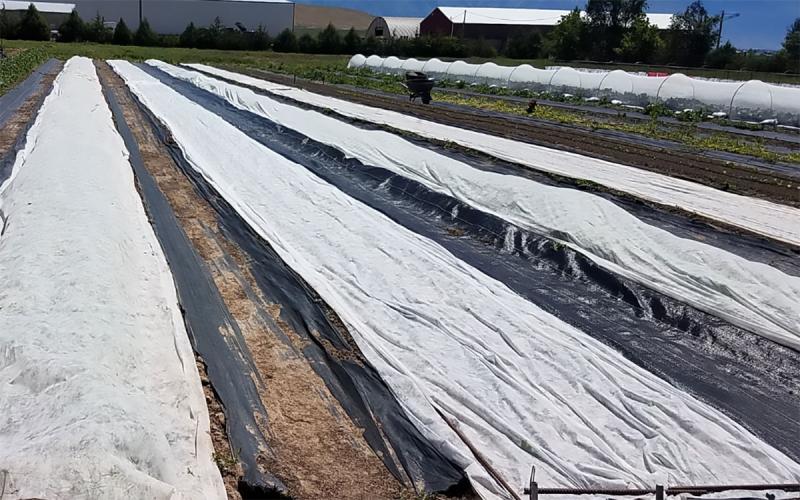
Season Extension for Fall Specialty Crops
Extending crop production into the fall allows growers to take advantage of cooler temperatures and enjoy fresh, cool-season vegetables later in the year.

Is Agritourism for You?
Do you like people and wish to provide educational or entertainment opportunities that showcases your farm or ranch? If so, agritourism is an opportunity you may wish to explore!