Search
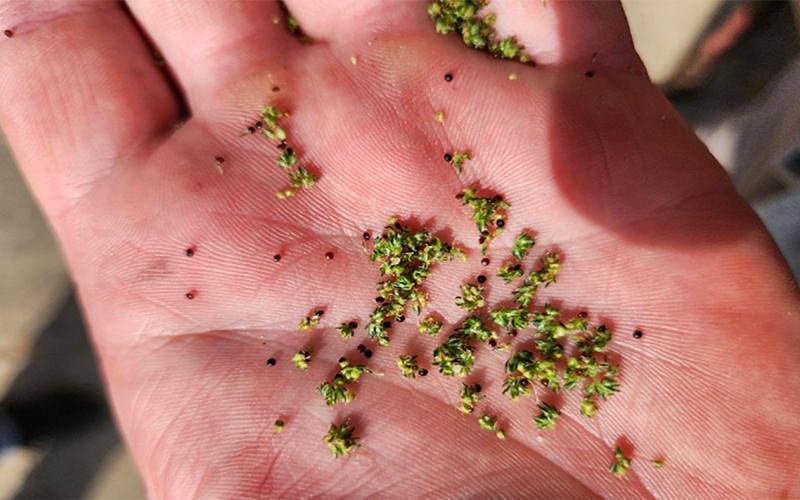
Isolated Female Waterhemp Plant Produced Seed: Implications that pollen is in the air
Recent observations by the SDSU Extension Weed Science team highlight that pollen can move far distances to pollinate isolated female plants. This reinforces the need to effectively manage weeds in fields and adjacent areas.

Better Sleep
Hot sheet with tip for better sleep for 4-H youth/clubs
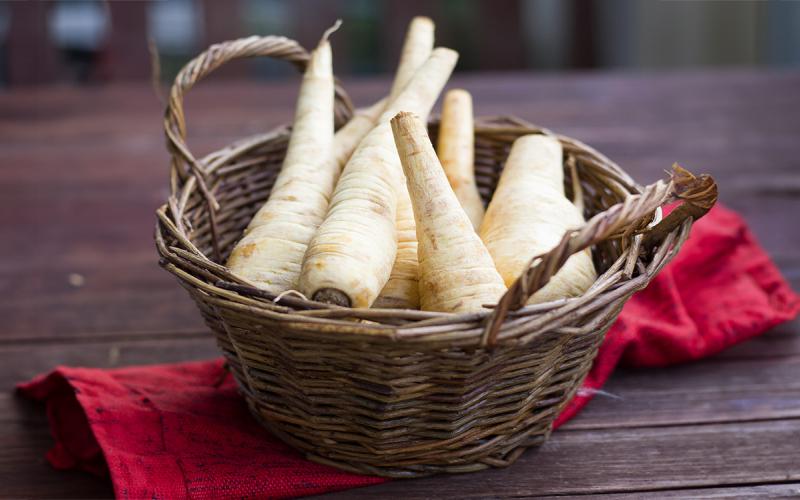
Parsnips: How to Grow It
Parsnips are one of the less-common root crops, closely related to carrots and parsley. Learn some expert tips for planting, growing, and harvesting parsnips in this resource!
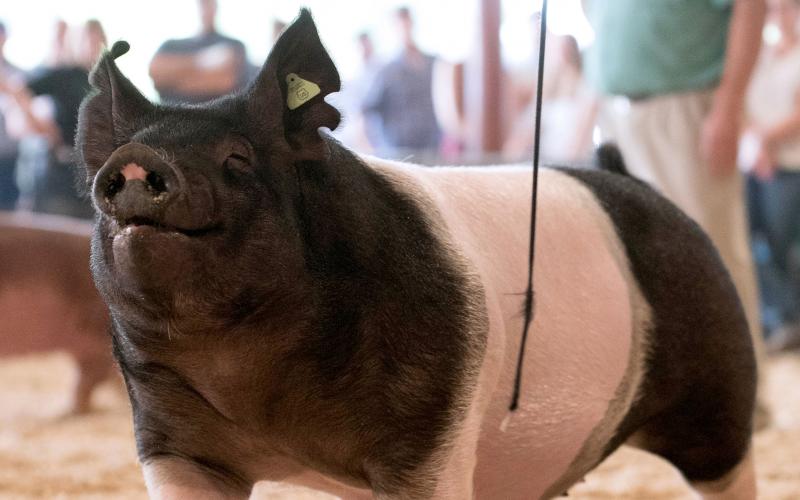
4-H Swine Project
The swine project teaches why people raise swine, how to select a pig for your project, feeding and caring for your pig, learning about swine behavior, parts of a pig and how to fit and show swine.
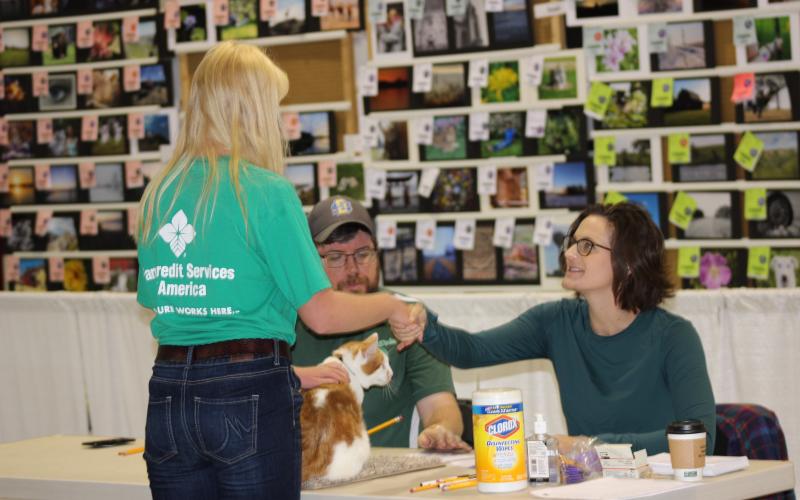
4-H Judging Resources
Hot sheets for 4-H judging basics, the different 4-H exhibits and how to provide feedback

What’s the Beef With Ground Beef?
Unpack some of the common myths about the appearance, quality and processing of store-bought ground beef products.
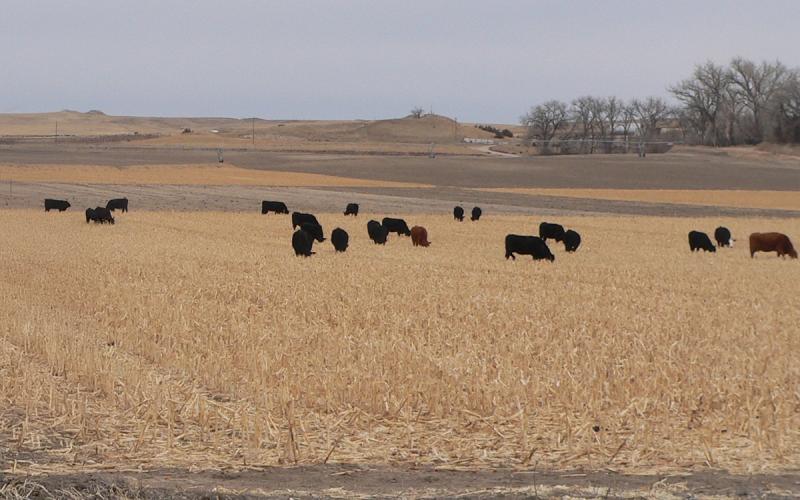
Why Cropland Grazing Now?
The evidence is consistent: cropland grazing delivers measurable economic returns, proven soil health benefits, and growing adoption in South Dakota.

Enjoying Gerbera Daisies at Home
Gerbera Daisies have a typical daisy shape but come in a wide range of vibrant colors, ranging from white to pink, red, yellow, orange, and burgundy.
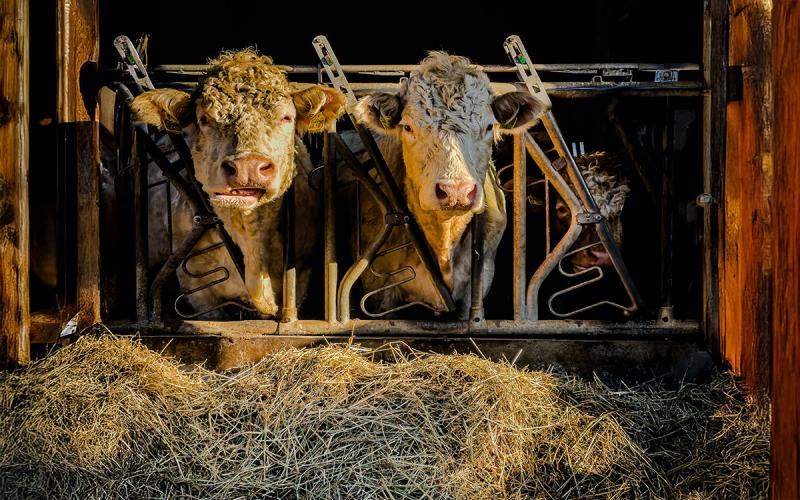
Feed Management for Efficient U.S. Livestock Systems: Introducing the National Animal Nutrition Program’s Feed Management Committee
The National Animal Nutrition Program’s Feed Management Committee brings together experts in animal science, nutrition, and natural resource management to increase awareness and use of livestock feeding management and to address conservation needs.

Peas: How to Grow It
The most common type of pea in American gardens is the shelling pea, also called the “garden pea” or “English pea.” Tender, sweet peas are removed from thin, tough pods before eating.