Search
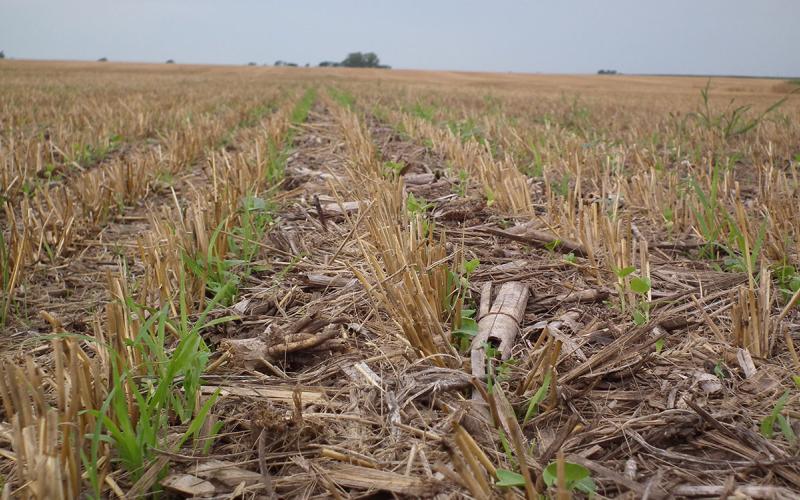
Do Cover Crops and Grazing Harm Soil Properties?
Fact sheet for a study that was conducted to compare short and long-term animal grazing on soil health and water properties at four locations in SD.
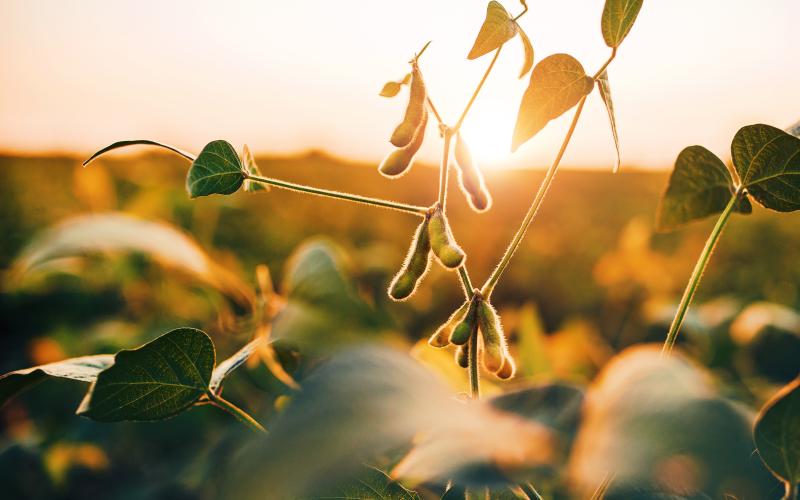
2,4-D (Enlist One) and Glufosinate (Liberty) Additively Control Common Weeds in South Dakota Soybean Production
Fact sheet on the experiment to determine how 2,4-D and glufosinate, when applied alone or mixed, control common weeds and affect soybean yield.
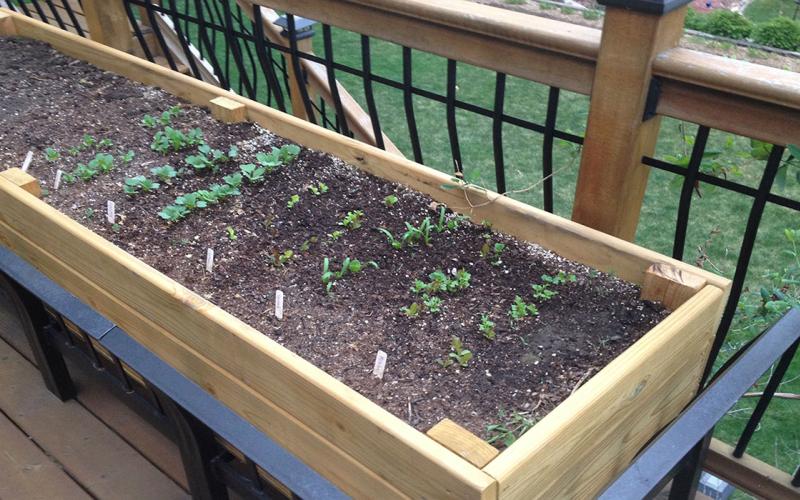
Gardening in Raised Bed and Containers in the Northern Great Plains
Fact sheet for anyone interested in gardening in raised beds or containers, especially those that may have limited space or of various physical abilities.
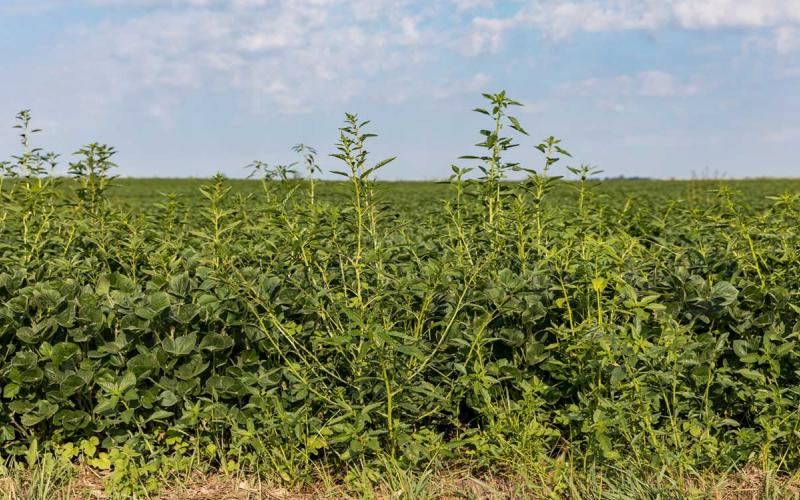
Enlist One (2,4-D) and Liberty (Glufosinate) Applied Alone or Mixed During the Day and Night: Weed Control and Soybean Yield Implications
Fact sheet on the research done to determine weed control effectiveness with Enlist One and Liberty alone and tank mixed when applied during the daytime and nighttime.
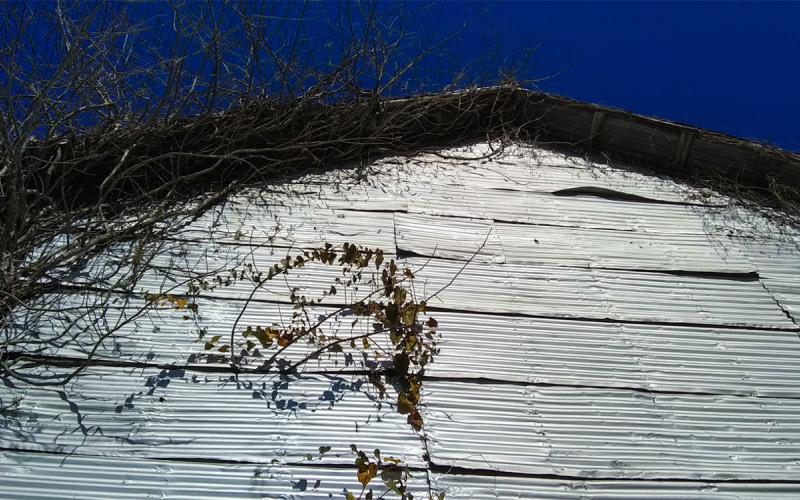
Wind Damage to Pole Barns: Things To Know
Windstorms can cause significant damage to agricultural structures, including post-frame buildings, also known as pole barns. Learn some expert tips for protecting, inspecting and repairing these structures in the aftermath of a storm.
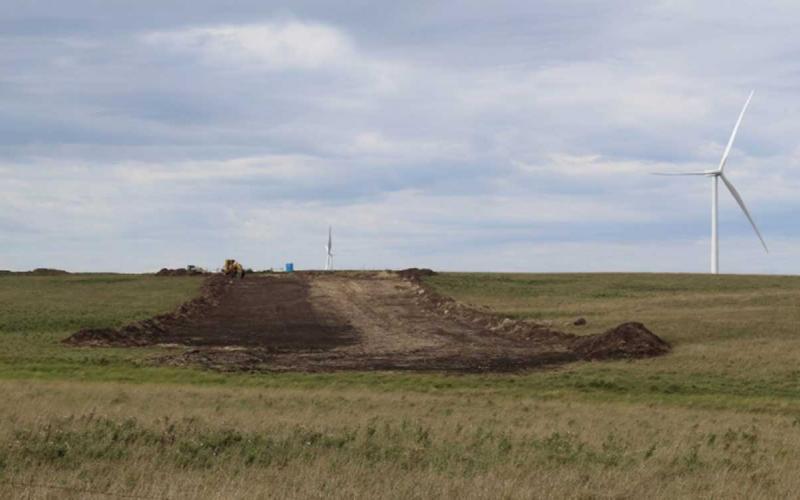
Understanding Contract Language and Restoring Native Grassland Damage after Energy Development
Energy development on private lands can result in locally heavy land manipulation. Of particular concern is the manipulation of native grasslands and other sensitive areas and how it will affect those areas in the short-and-long-term.
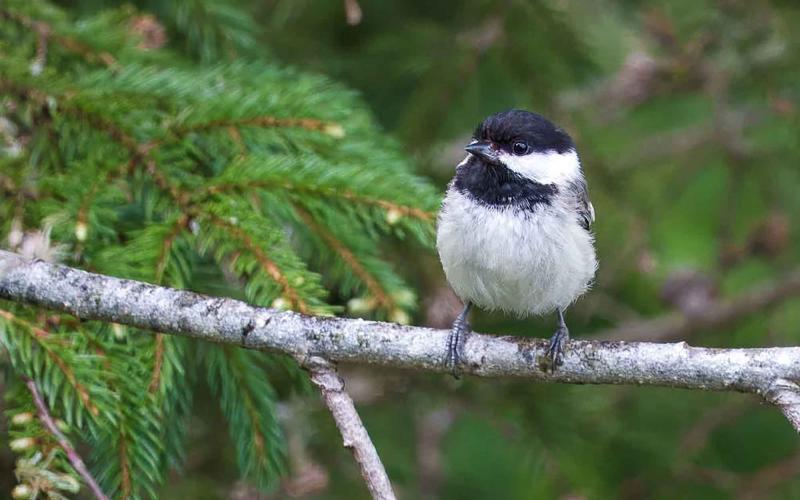
SDSU Extension publishes research on native plants for bird habitat
January 06, 2026
South Dakota State University Extension has published new research on native plants that can support birds in the state and region.
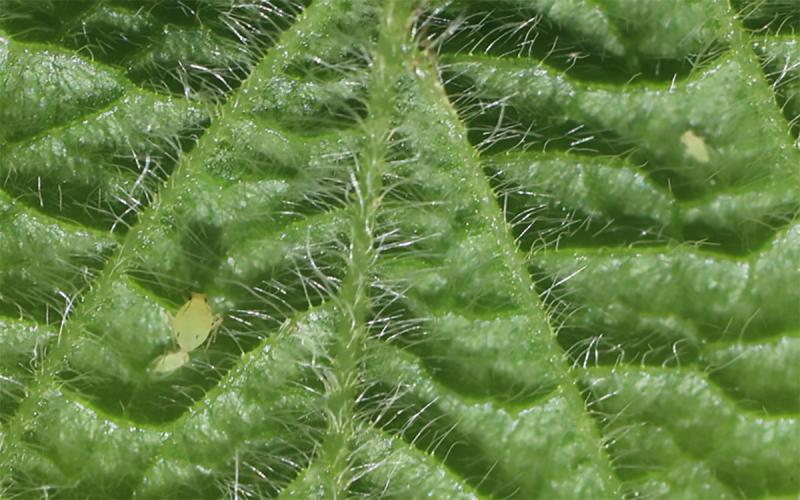
Soybean Aphid Populations Have Reached Economic Threshold
Based on recently scouting observations, the economic threshold for soybean aphids has been reached. Once thresholds are reached, fields should be reevaluated in 3 to 4 days to confirm the populations didn’t decrease, and if they persist or increase, they should be treated.

Cedar Trees and Rangeland Loss
The issue of cedar tree invasion into South Dakota’s rangelands tends to be a regional conversation. There is generally broad agreement among most resource professionals that these trees are in fact changing our landscape in a negative way.
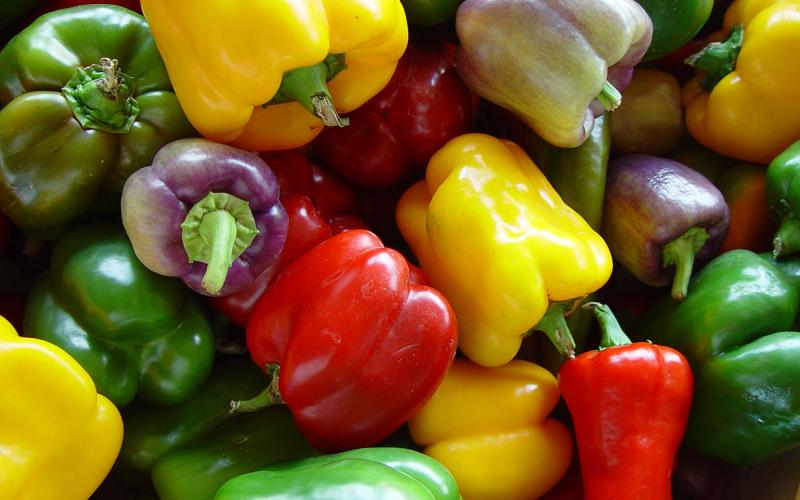
Peppers: How to Grow It
Peppers are heat-loving vegetables that require a long, frost-free season and full sun. Peppers can be sweet or hot, and range in color from green, yellow, orange, red and purple to brown.