Search
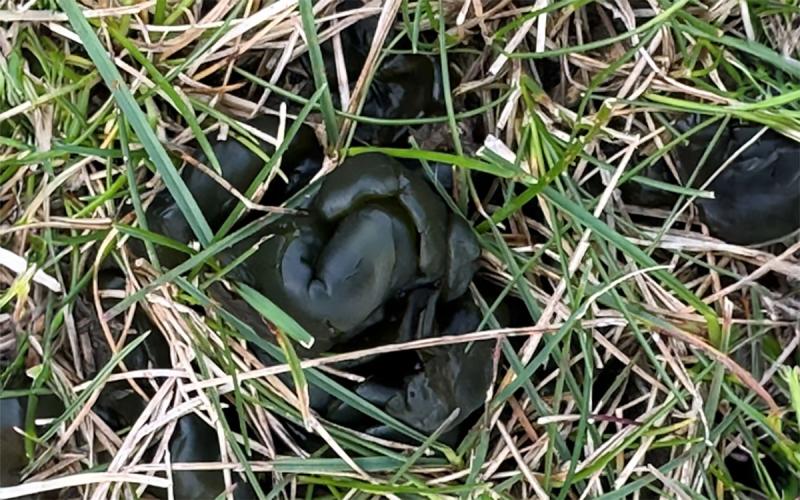
Nostoc in Lawns
Nostoc is a genus of cyanobacteria that form colonies in gelatinous masses. In South Dakota, it commonly appears in home lawns, notably in patches where grass is not growing, especially after periods of rain.
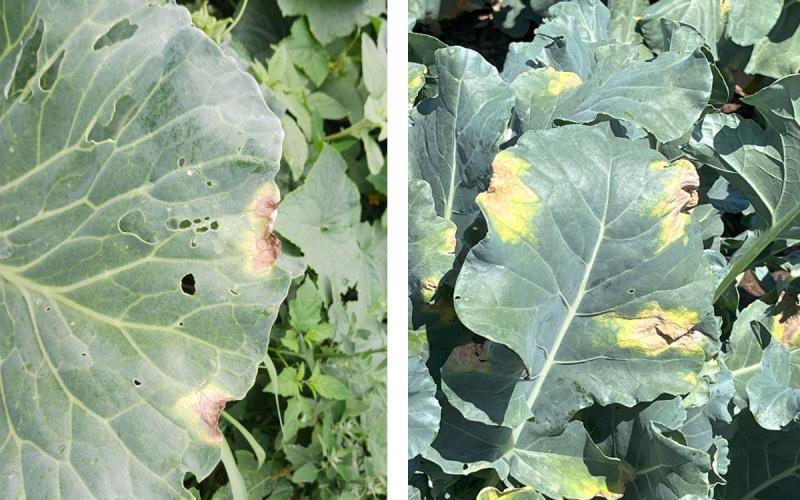
Black Rot of Brassica Crops
Black rot is an uncommon, but devastating bacterial disease in South Dakota that can develop during extended periods of hot and wet weather, leading to rapid and widespread crop loss.
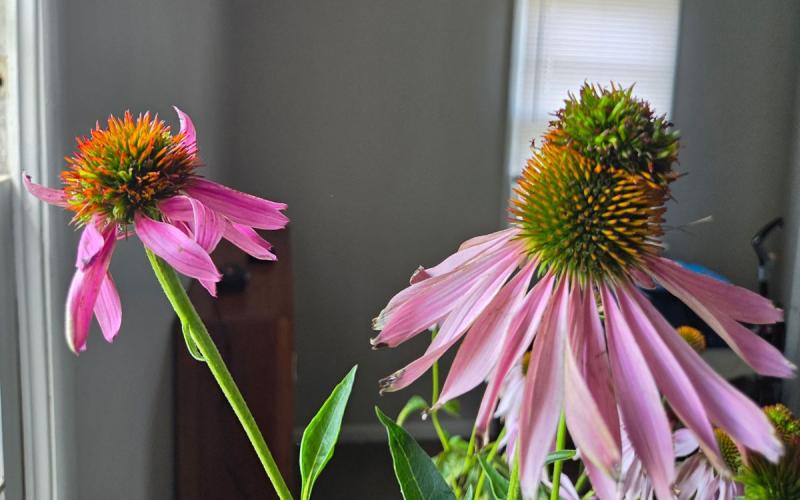
Aster Yellows - Plant Pest on the Plains: How you can get involved in this important research
Aster yellows phytoplasma, best known as Aster Yellows disease or Onion Yellows disease, is commonly observed in purple coneflowers across the Great Plains. SDSU Extension is monitoring and modeling its distribution in the region, and you can help!

Avoid Noxious Weeds When Haying Right-Of-Way Ditches
After June 15 or July 10 (dependent on location), right-of-way ditches can be mowed or hayed as announced by the South Dakota Department of Transportation. While there is a demand for grass hay, care should be taken when haying right-of-way ditches.

To Avoid Loss of Viable Seeds This Year, Keep an Eye Out for Banded Sunflower Moths in Sunflower
Banded sunflower moths are active in South Dakota, which means it is time to start scouting sunflowers for their eggs. The caterpillars of banded sunflower moths are capable of reducing yields and oil content by feeding on the developing florets and tunneling into developing seeds.

Start Scouting Your Sunflower Fields for Red Sunflower Seed Weevil Presence
Red sunflower seed weevil adults have been detected in South Dakota. Current recommendations for management in both confection and oilseed sunflower is to begin treatment when the majority of the field has reached the R5.4 growth stage, but applications done between R5.1 and R5.4 can still provide yield protection.

Wet Corn: Storage and Late Harvest Options
With a very challenging harvest in many parts of south and southeastern South Dakota this year, farmers were faced with difficult decisions. Wet, unfrozen ground in many areas and high grain moisture forced many farmers had to make a decision: harvest the wet grain, or let it stand in the field.
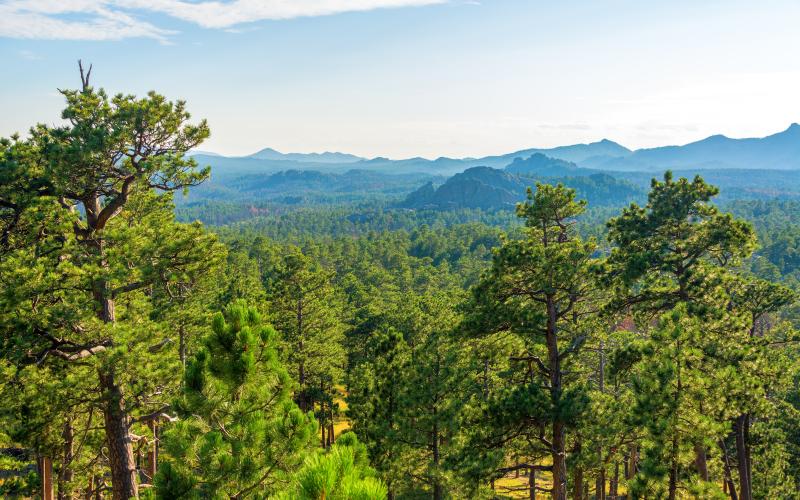
Tree Pest Alert
From seasonal issues and timely recommendations to disease diagnosis and expert advice, the Tree Pest Alert is a trusted resource for selecting, planting and caring for trees and shrubs all year round.
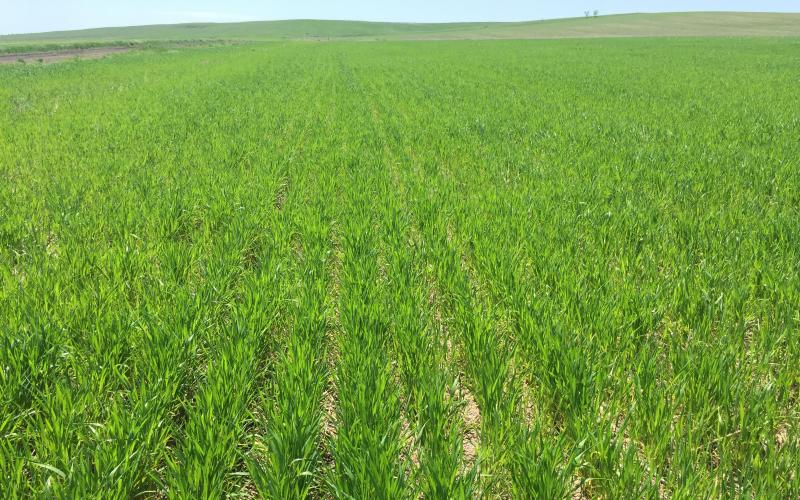
Winter Wheat Variety Trial Results
The Winter Wheat Variety Trial Results are crop performance testing data from various locations across South Dakota.

Alfalfa Weevil
Factsheet on Alfala Weevil identification, lifecycle, damage, scouting and management.