Search
SDSU Extension Hosts First South Dakota Watershed Academy
SDSU Extension recently hosted the South Dakota Watershed Academy at the Oak Lake Field Station. The workshop was designed and organized in consultation with USDA Natural Resources Conservation Service to provide information on water resources regulation and monitoring.
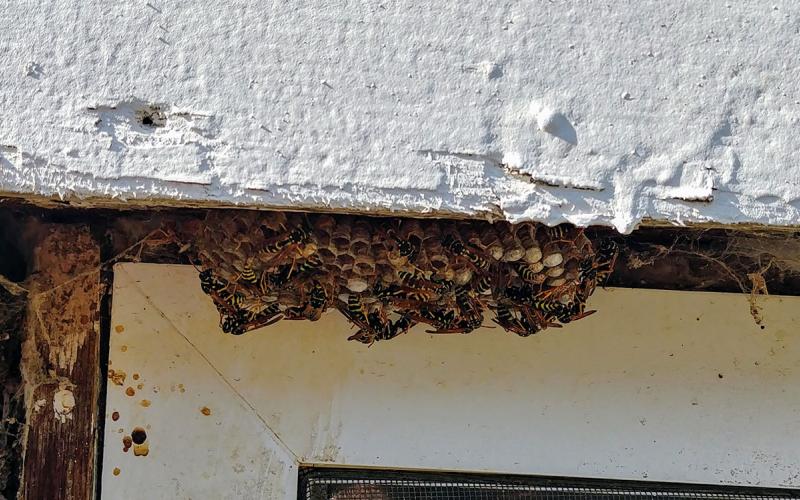
Wait, These Wasps Were Here the Whole Time?
Wasps receive attention no matter the time of year, but they are especially noticeable in late summer and early fall. Learn some expert tips for identifying and managing different types of wasps in your home and garden.
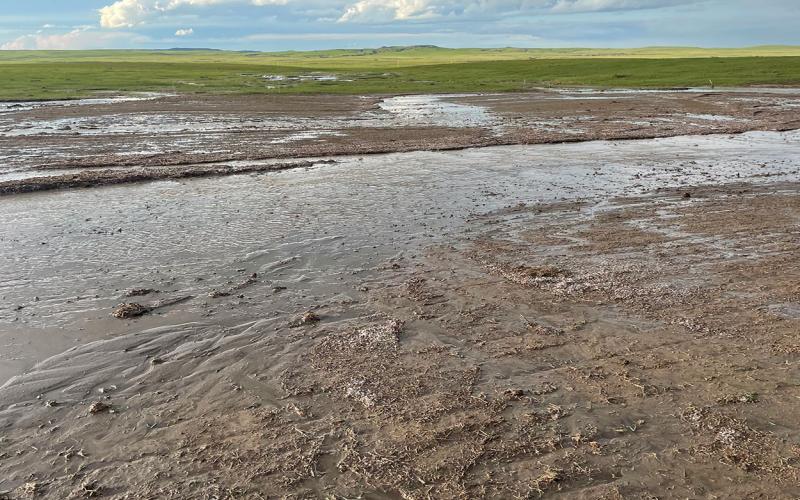
Five Range Management Principles: #4 Residual Forage
Residual forage is the amount of green leaf left after a grazing event. Understanding its importance can help producers capitalize on the symbiotic relationship that occurs when soil health is front and center on rangelands.

Is Agritourism for You?
Do you like people and wish to provide educational or entertainment opportunities that showcases your farm or ranch? If so, agritourism is an opportunity you may wish to explore!
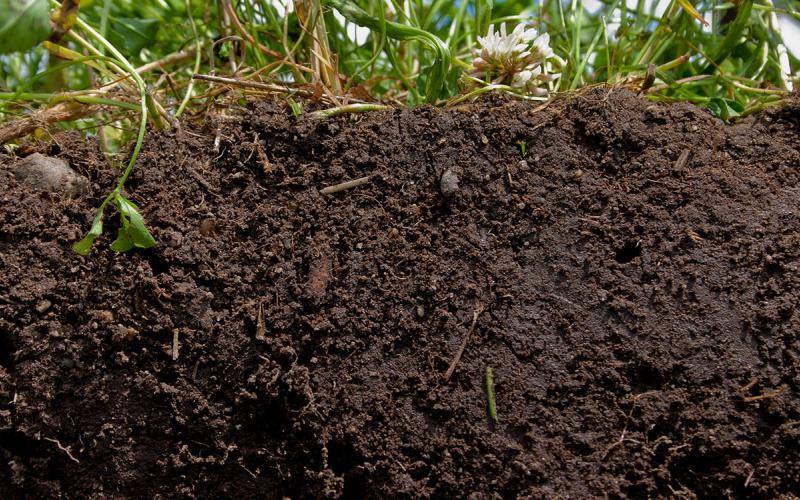
Why Is Carbon So Important to Agriculture and Society?
Carbon is not only vital to soil health—it’s the foundation of our long-term food security. Learn some incredible facts about the role carbon plays in our soil and environment.
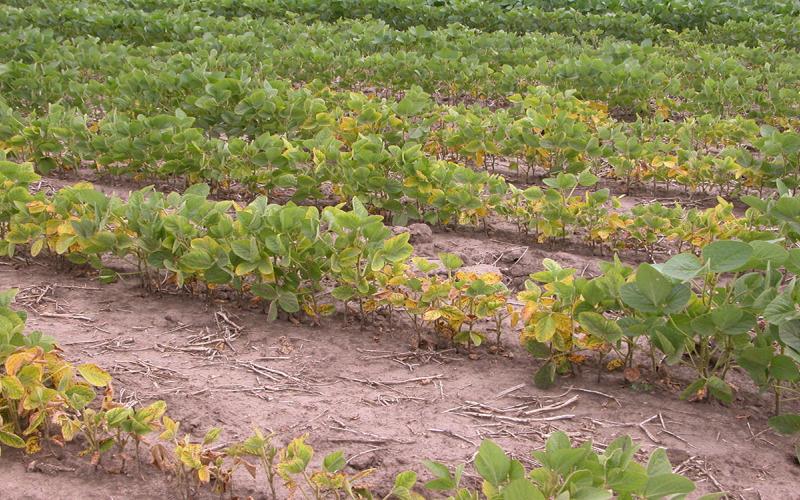
Know Soybean Cyst Nematode, Numbers Matter!
Have you noticed parts of your soybean field turning yellow earlier than expected? Are some of the plants stunted or showcasing a roller coaster appearance? Soybean cyst nematode may be to blame.
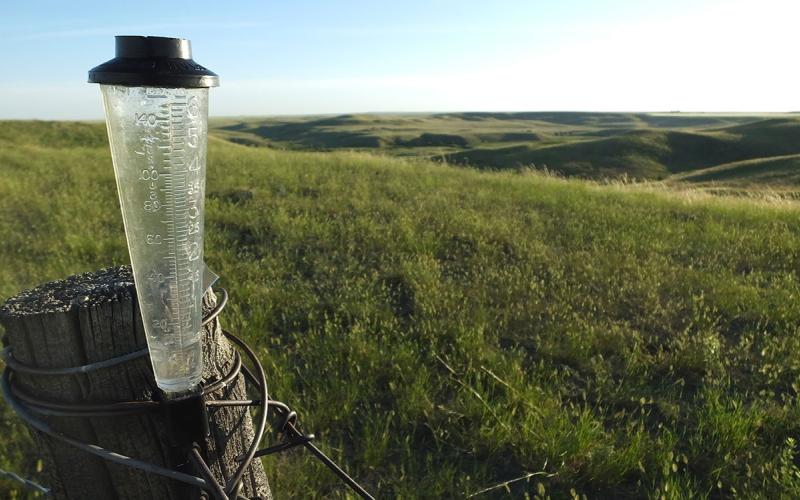
Five Range Management Principles: #5 Climate Ready
Understanding your ranching system is critical, and identifying anticipated soil-plant-animal responses during periods of dry, wet, or normal conditions will enable you to develop climate-ready practices. Learn how to get started today!
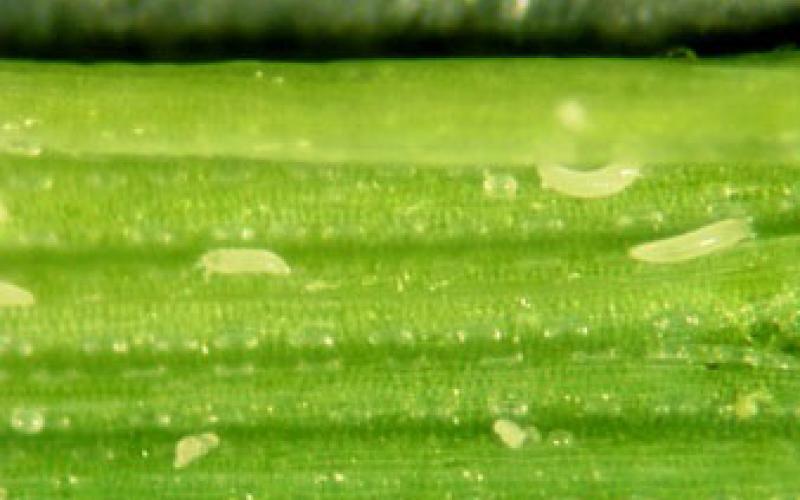
Which mite is it? Identifying the mites in wheat fields
In South Dakota, the most commonly encountered mites in wheat are wheat curl mite and brown wheat mite. In addition to feeding, wheat curl mites are vectors of Wheat streak mosaic virus. Brown wheat mites can build up large populations and injure wheat through feeding. There are other species of mites that may also be observed in wheat, but generally do not reach populations large enough to cause significant injury.
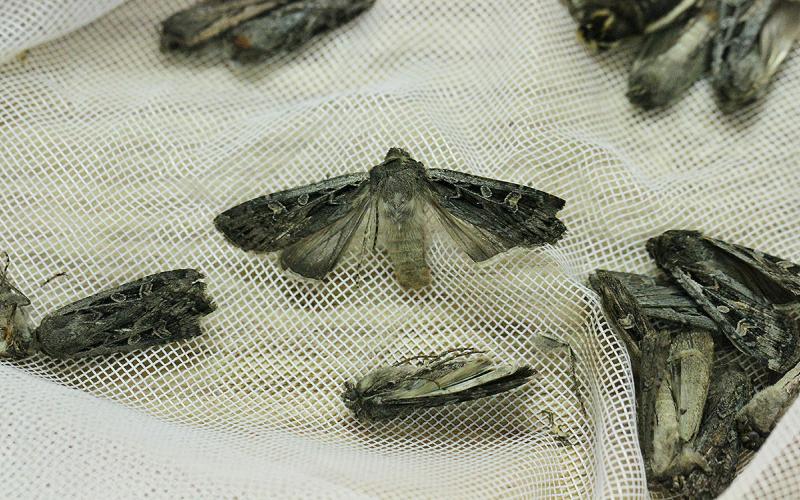
Army Cutworms Returning to South Dakota
A black light trap at the SDSU West River Research Farm near Sturgis has started capturing army cutworm moths. This indicates that the moths that migrated west this spring are returning to the South Dakota plains to lay eggs.
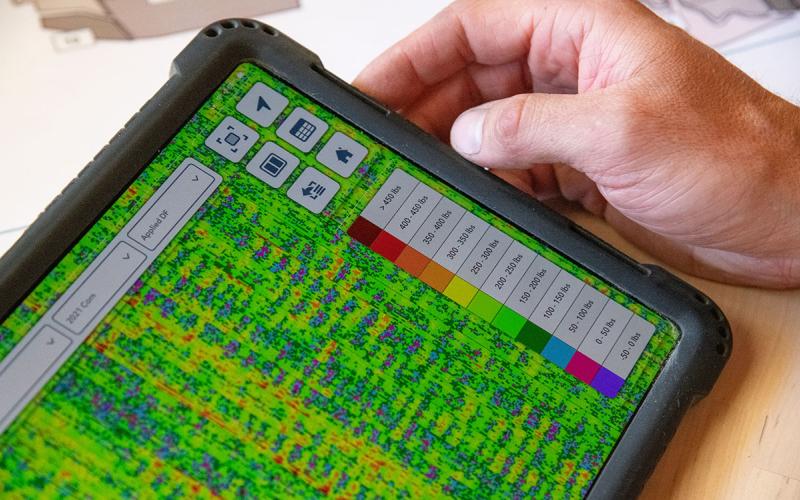
The 5 R’s of Precision Agriculture
Precision agriculture is a management strategy that uses cutting-edge technology to gather, process and analyze information to provide optimized crop inputs. Learn about the five R's that guide its use on farms.