Search

South Dakota Grasshopper Prediction for 2026
Almost every year in South Dakota there is a risk that grasshopper populations will reach levels capable of causing issues for producers. Unfortunately, our prediction for the 2026 growing season won’t change the trend.

Red Fescue (Festuca rubra), A New Grass in the Black Hills: Friend or Foe?
Red fescue (Festuca rubra), a cool-season, dominate rhizomatous grass, has started showing up on disturbed ground near meadows and forests. While it is not a state noxious weed yet, its spread has raised questions from producers.
Conservation, Grazing, and Forage Situation
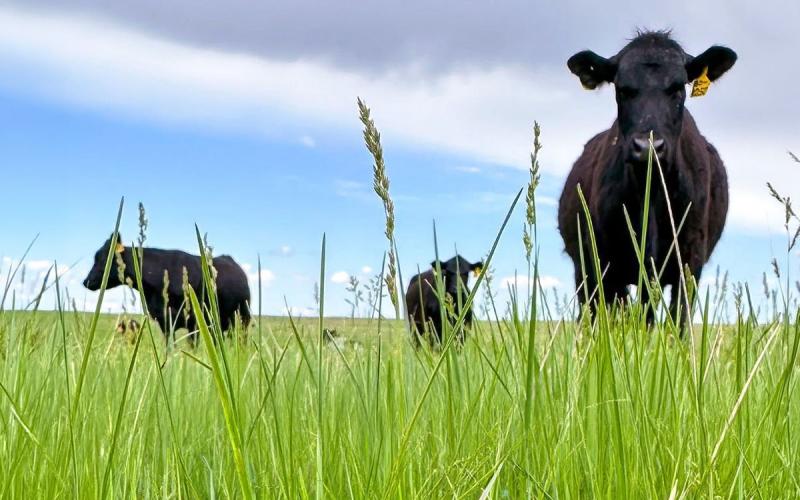
This report summarizes recent trends in the Conservation Reserve Program (CRP), harvested hay acreage, and grazing capacity in the United States and South Dakota. The purpose is to give a current picture of conservation enrollment and forage supply.
Mosquitos to Watch for in South Dakota
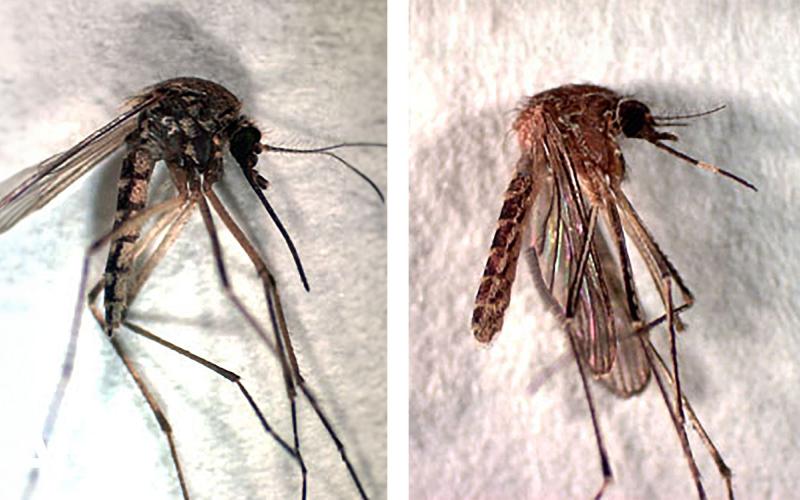
After many areas in South Dakota experienced heavy rainfalls, mosquitos are now a major issue. Learn which species are most common throughout the state and which carry the highest risk for West Nile Virus.
Insects Are Being a Nuisance This Fall
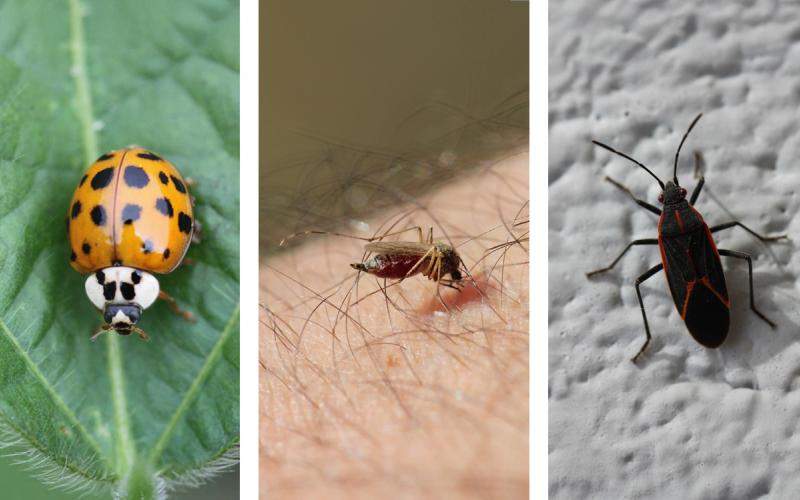
The weather is changing, and many of us are noticing an uptick in the nuisance bites caused by several insects. The continued warm weather is going to increase the activity of all insects, including the ones that are causing us displeasure.
Fall Pasture Report: Considerations for Dormant Season Grazing
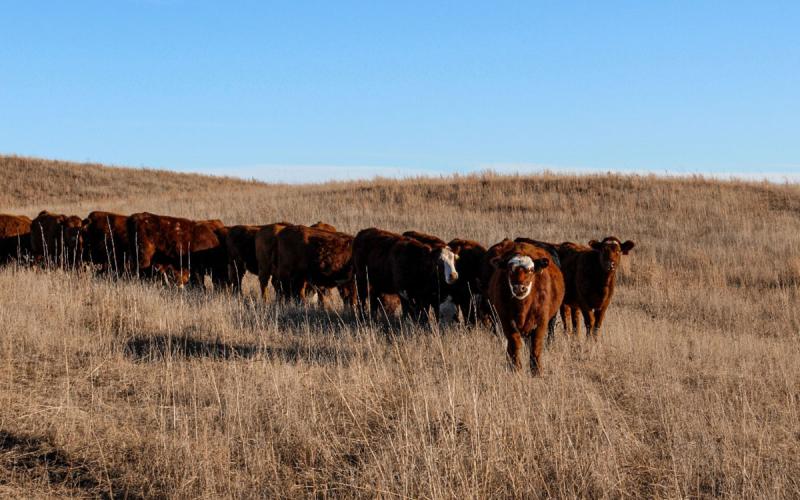
Recent fall rains across the region continue to improve soil moisture conditions in preparation for the dormant season. Unlike in years past, a fall green up has been in full swing for much of the region.

West Nile Virus Update: July 29, 2026
As of July 30, 2026, the South Dakota Department of Health indicated that West Nile Virus positive mosquito pools have been detected in Brown, Codington, Hughes, Lincoln, and Minnehaha counties in South Dakota.