Search
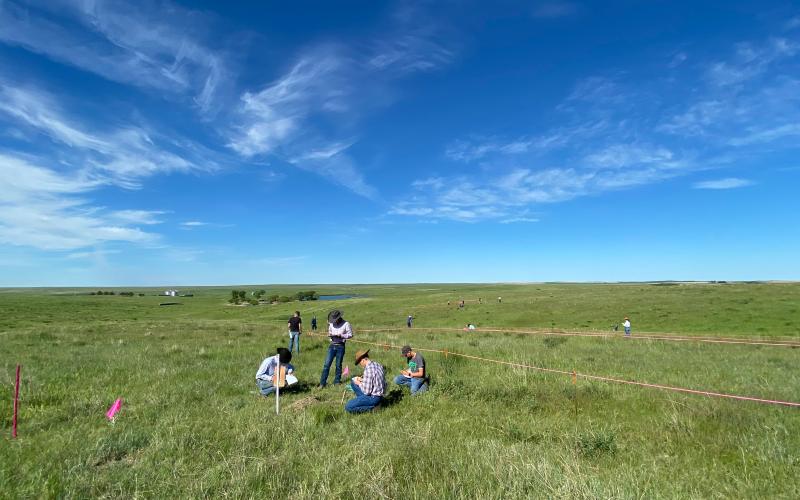
Judging South Dakota Rangelands for Livestock and Wildlife Values
Guide for judging South Dakota rangelands for livestock and wildlife values
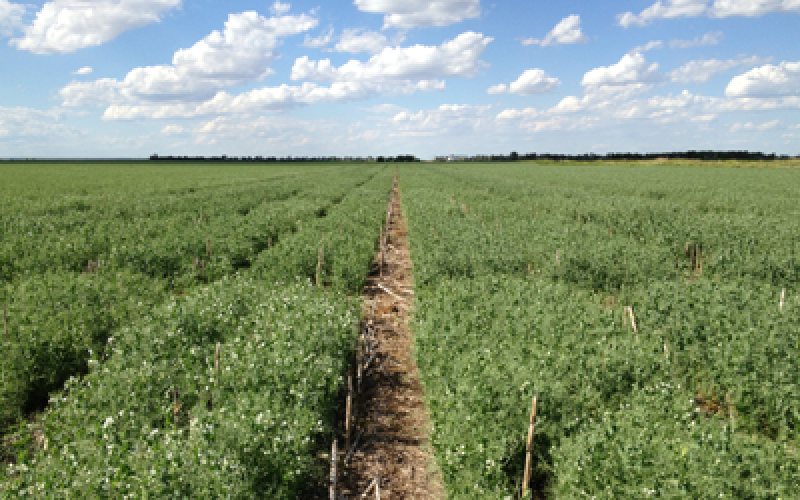
Weed Control: Pulse Crops
Weed competition can cause significant yield reduction in pulse crops. Pulse crops are weak competitors with weeds, therefore planning an effective weed control program is one of the keys to profitable production.
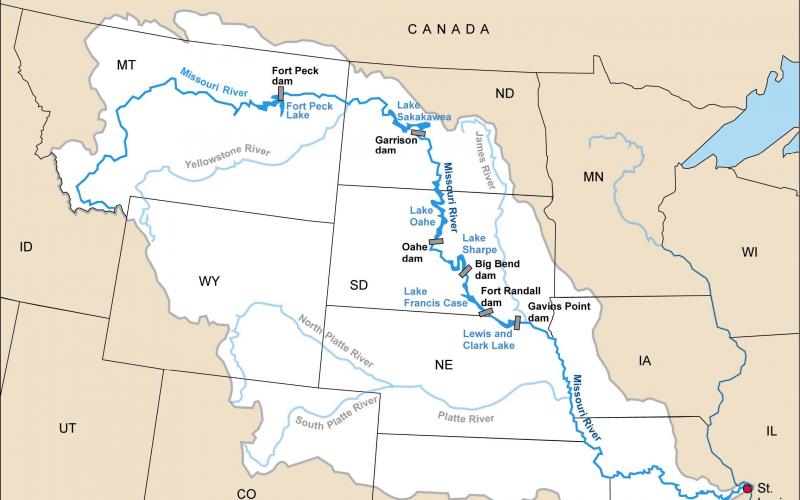
Zebra Mussels Impacting Missouri River Reservoir System
In July 2019, South Dakota Game, Fish & Parks officials confirmed of presence of zebra mussels in Lake Sharpe near Fort Thompson after U.S. Army Corps of Engineers staff initially discovered them while performing inspections on Big Bend Dam.
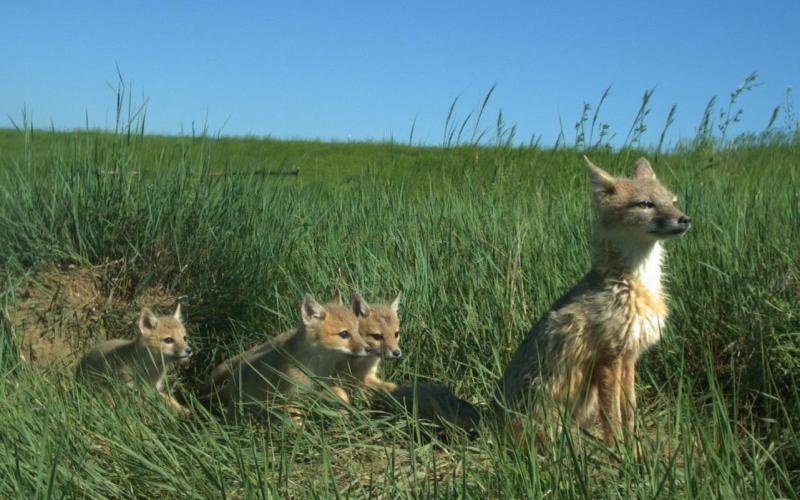
Swift Fox Status on South Dakota’s Grasslands
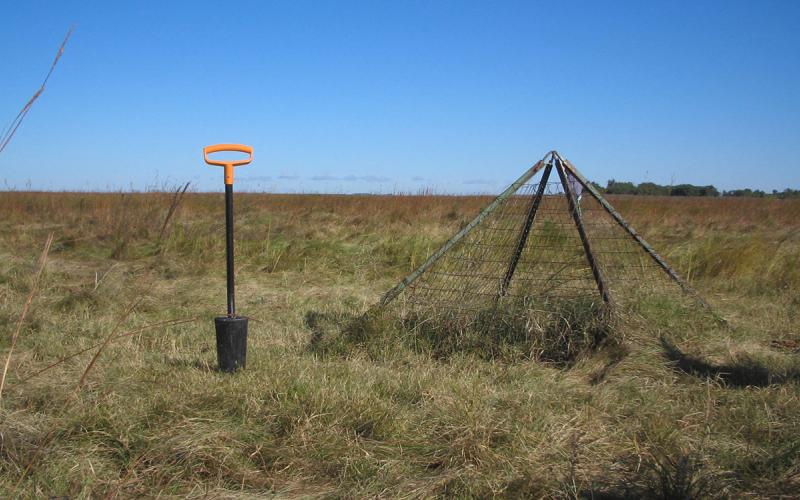
The swift fox (Vulpes velox) is a small fox native to the short and mixed-grass prairies of the Great Plains. In 2014, I began my master’s research at South Dakota State University monitoring the population of swift foxes around Badlands National Park in southwestern South Dakota. This population has recently declined, possibly due to various biotic and abiotic factors.
Monitoring Success
While periodic monitoring is necessary for continued success, a thorough evaluation in the first few months will tell you a lot about grazing levels, benefits to livestock and livestock-to-acre ratio.
Soil Salinity, Sodicity, and Alkalinity in South Dakota Soils
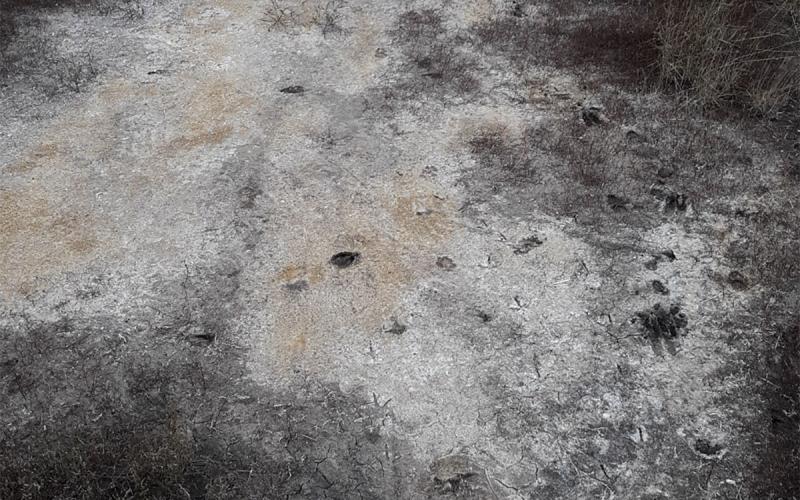
Salinity and sodicity are issues that negatively affect crop production and soil health in South Dakota.
Grassland Goods and Services
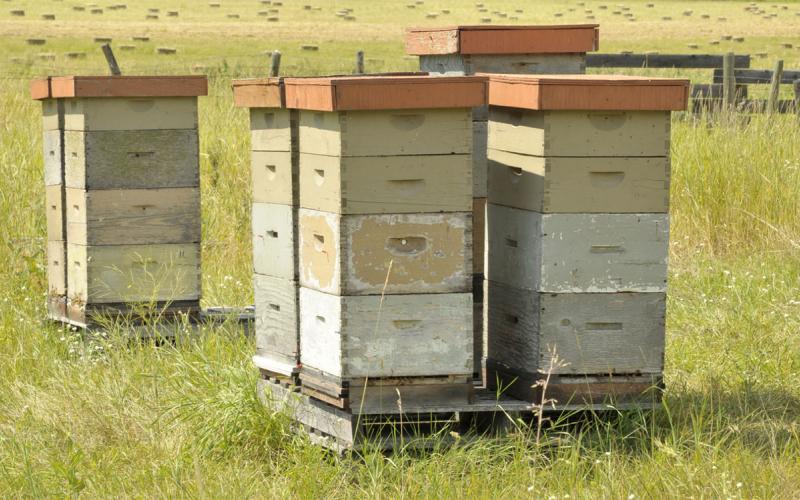
Grasslands, whether in the form of pastureland, rangeland or various conservation program or habitat lands are important ecosystems that provide a variety of goods and services.
When To Graze and How Much To Graze
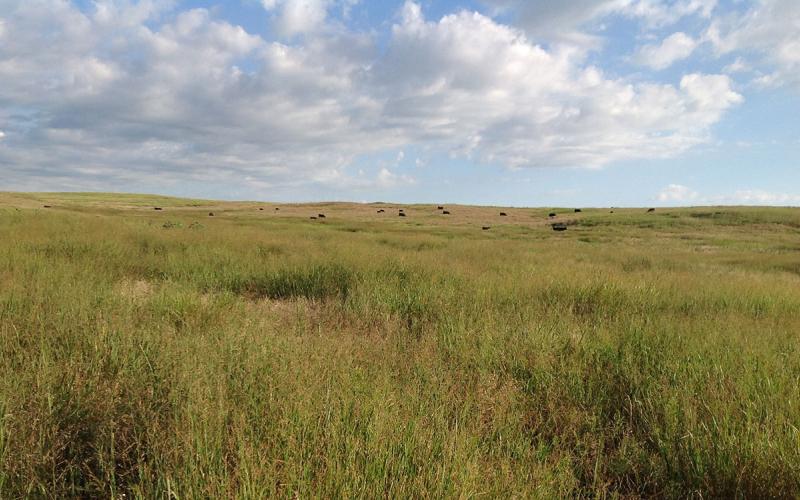
While every grazing management system is unique, there are a few similarities between systems when determining when to graze. Learn some of the factors to consider to avoid overgrazing.
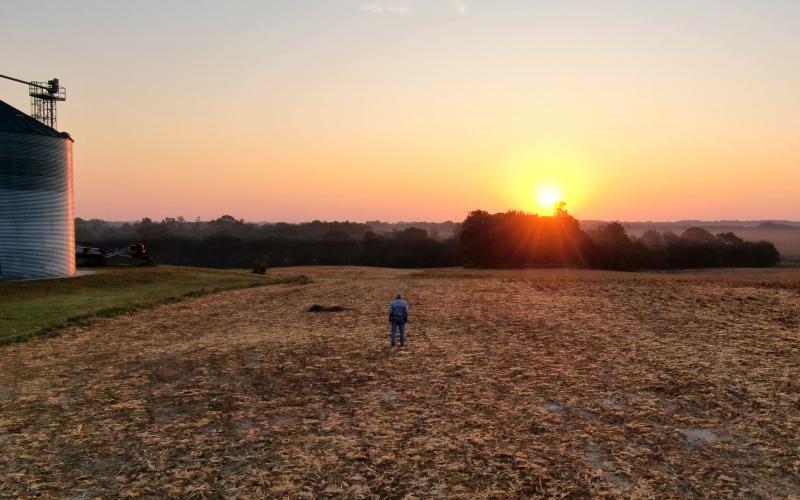
Crop Tolerance to Soil Herbicide Residual
Some herbicides can persist in soil, especially dry soil. Herbicide carryover could be an issue in 2021 across the state depending upon last year’s moisture levels and field conditions.
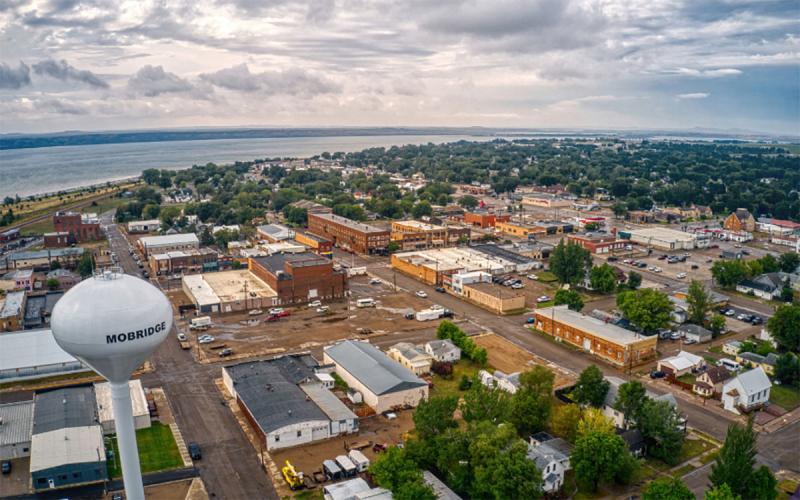
A Strategic Community-Based Survey of Water Resource Management in South Dakota
Understanding how residents value water is critical for effective resource management, and your insights can help us better understand community values and inform future strategies for sustainable water management across the state.