Search
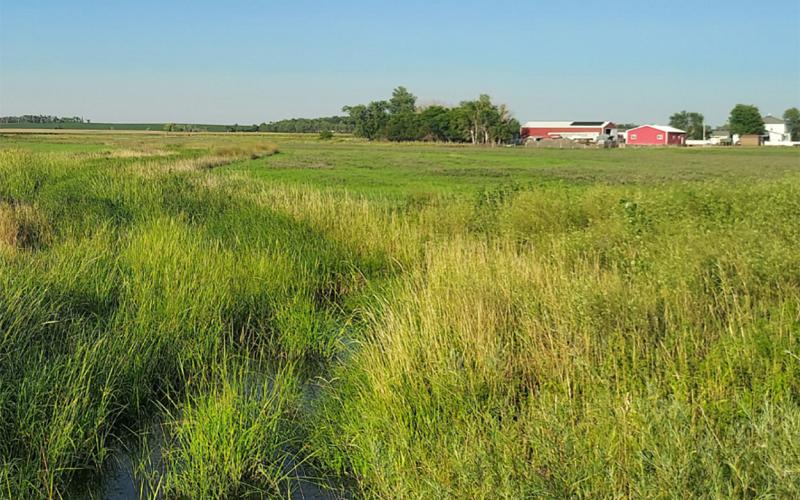
2023 Marks the 10-Year Anniversary of the Seasonal Riparian Area Management Program
The Seasonal Riparian Area Management program has partnered with landowners to maintain healthy riparian areas to address common water resource concerns and improve water quality in streams, rivers, and lakes within the Big Sioux River watershed.
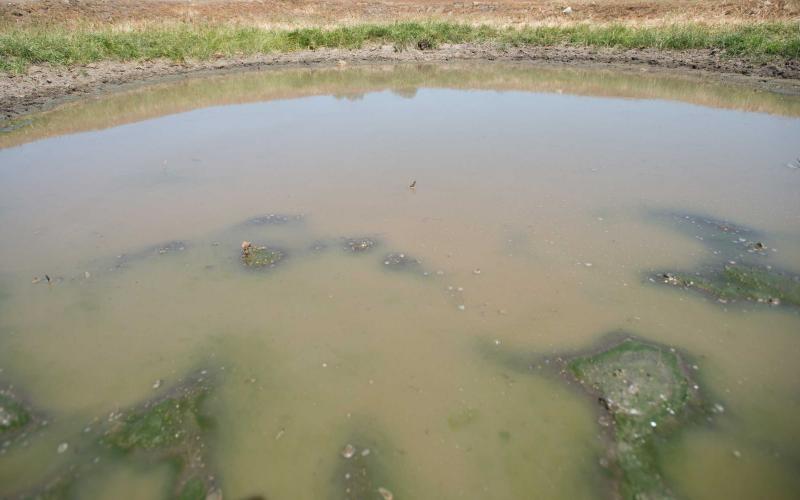
How Important Is Water Quality to Livestock?
Water is the most important nutrient to all livestock animals and is sometimes overlooked. Poor quality water can have a negative effect on growth, reproduction, and general productivity of the animal.
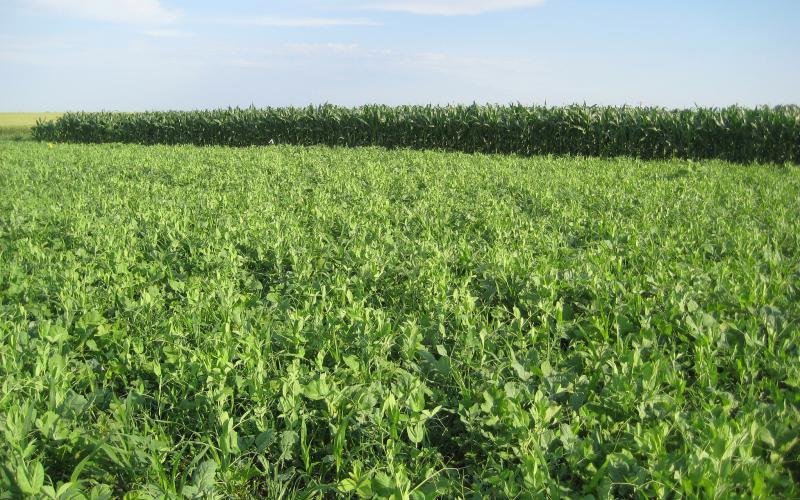
Cover Crop Usage in South Dakota is on the Rise
The number of South Dakota producers who use cover crops has been increasing at an accelerating rate over the past ten years.
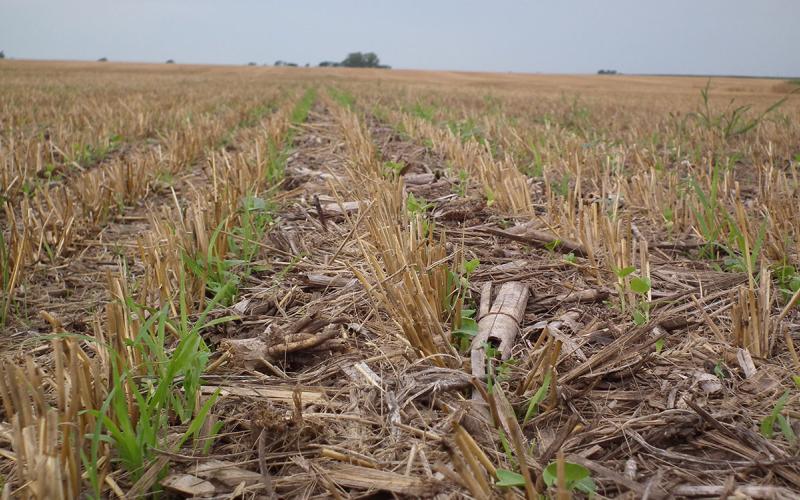
Soil Organic Matter Matters: How Conservation Practices Bring Value to Farmers
Conservation management practices, such as conservation tillage, cover crops, crop rotation and livestock integration, help improve soil health over time and offer producers numerous economic benefits.
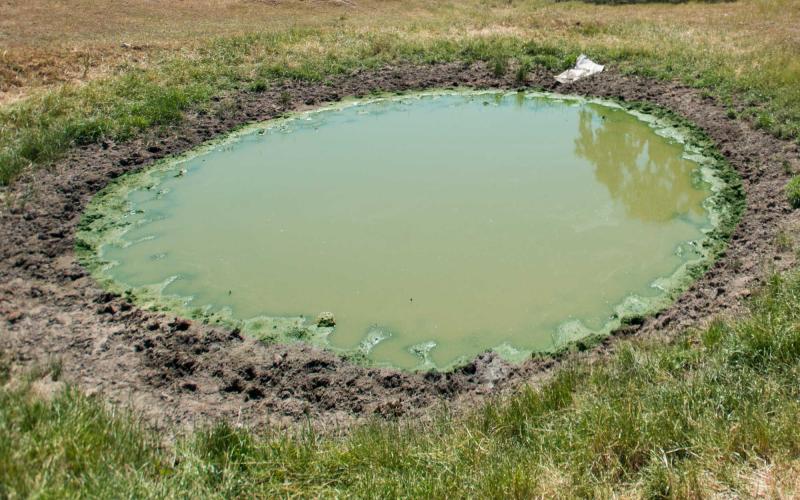
Blue-Green Algae and Livestock
With warmer temperatures, the conditions are right for blue-green algae blooms. Different species of blue-green algae contain various toxins, which can poison livestock, resulting in rapid death.
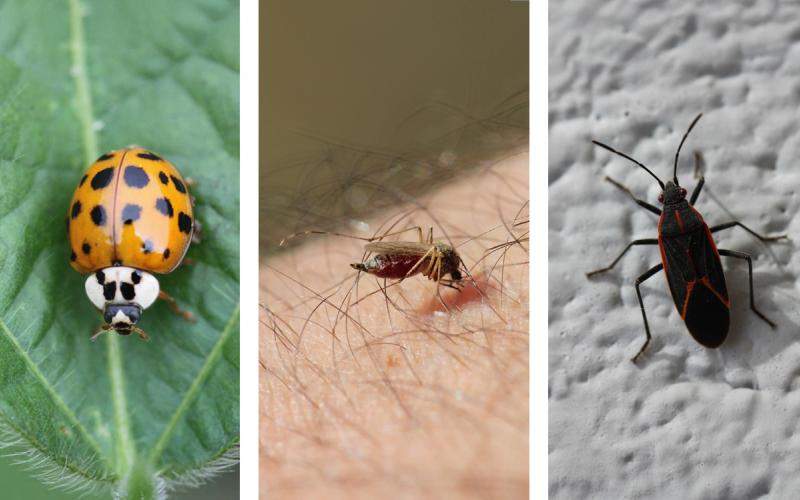
Insects Are Being a Nuisance This Fall
The weather is changing, and many of us are noticing an uptick in the nuisance bites caused by several insects. The continued warm weather is going to increase the activity of all insects, including the ones that are causing us displeasure.
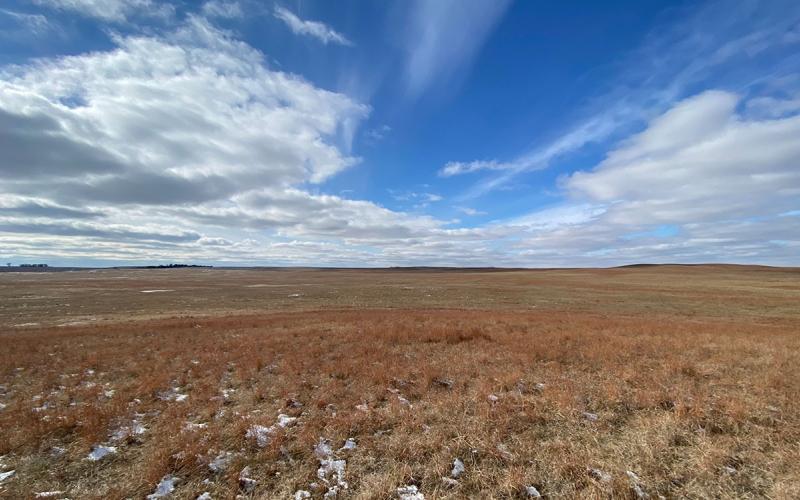
Climate Resilience Toolkit for the Northern Plains Region
In September 2021, the U.S. Climate Resilience Toolkit announced the publication of a new Northern Great Plains Region section. The new section can help producers recognize climate hazards, assess vulnerabilities and confront risks.

SDSU Extension welcomes new Range Field Specialist
October 24, 2023
South Dakota State University Extension is pleased to welcome Kaylee Wheeler as a new Range Field Specialist. She will be based out of the SDSU Extension Pierre Regional Center.
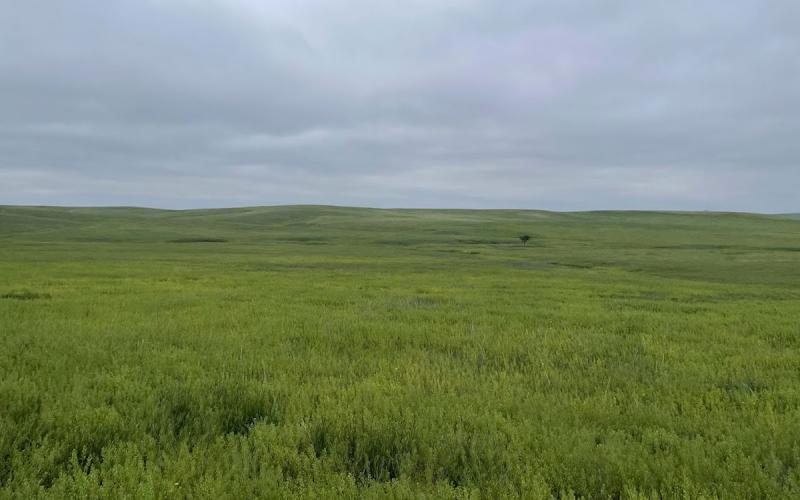
2025 Field Pennycress Management Considerations
Field pennycress prevalence on pastures has been observed to be in higher abundance this year in Western South Dakota. When consumed in certain quantities it can be toxic to livestock.
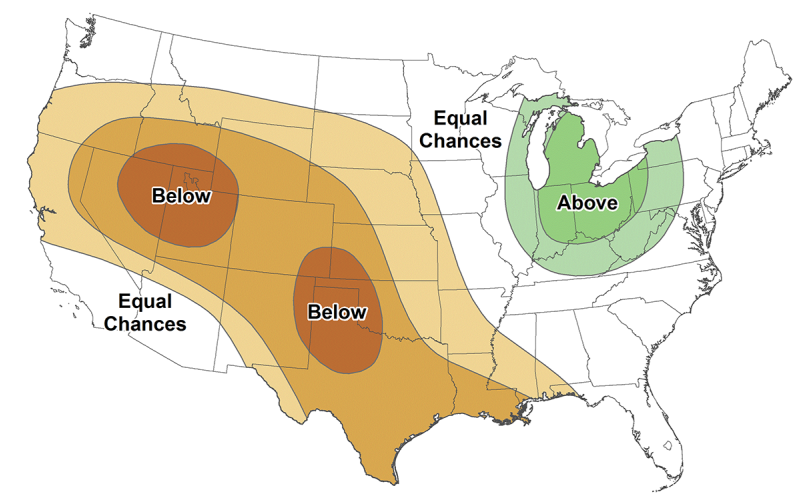
Drought Concerns Continue With 2022 Spring Climate Outlook
March 23, 2022
The climate outlook for spring 2022 has increased concern for drought in South Dakota, with the March 17 U.S. Drought Monitor showing two-thirds of the state in either moderate or severe drought.