Search

Volunteer Policies & Forms
These policies and forms provide useful information for volunteers.
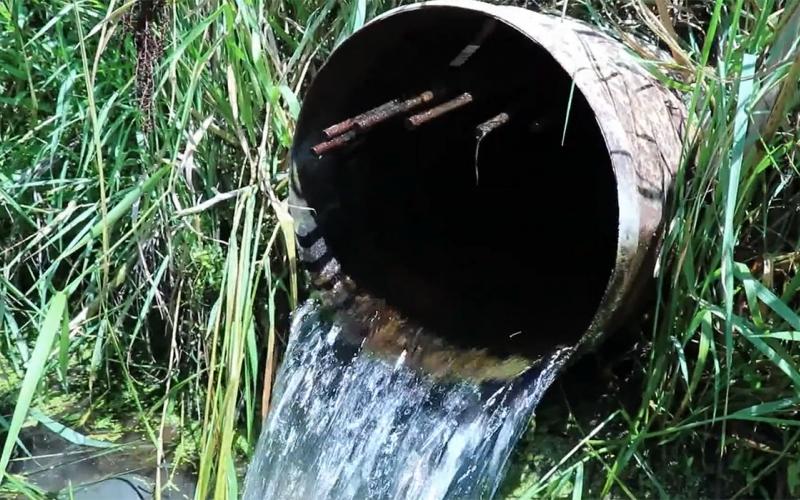
Nutrient Loss Calculator
Trying to figure out the nutrient loss in your tile drainage system? The Nutrient Loss Calculator can help. This useful tool helps landowners collect a snapshot of nutrient loss in their drainage systems.
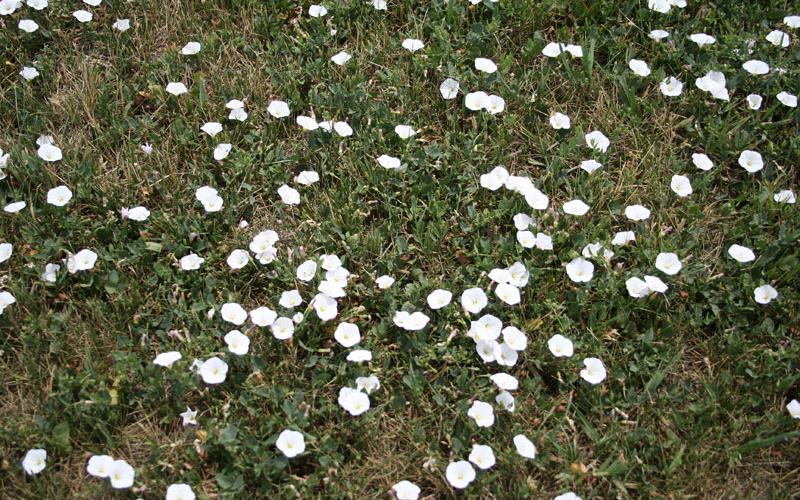
Weed Control: Noxious Weeds
Weed control recommendations for noxious weeds in South Dakota.
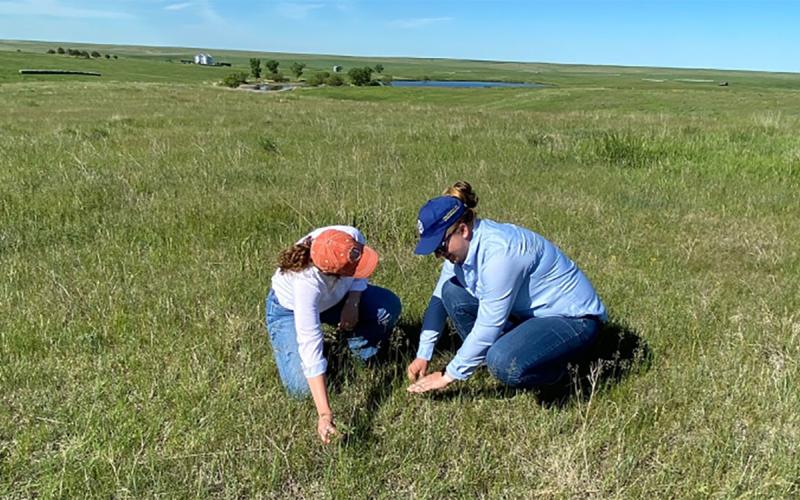
Women on the Range
Women on the Range is a program that is open to all. Through hands-on workshops and peer learning, this program empowers landowners, ranchers, and natural resource managers to build confidence and leadership in grazing and land stewardship.
4-H Alumni
4-H offers ways to continue being involved whether you recently graduated or participated decades ago.
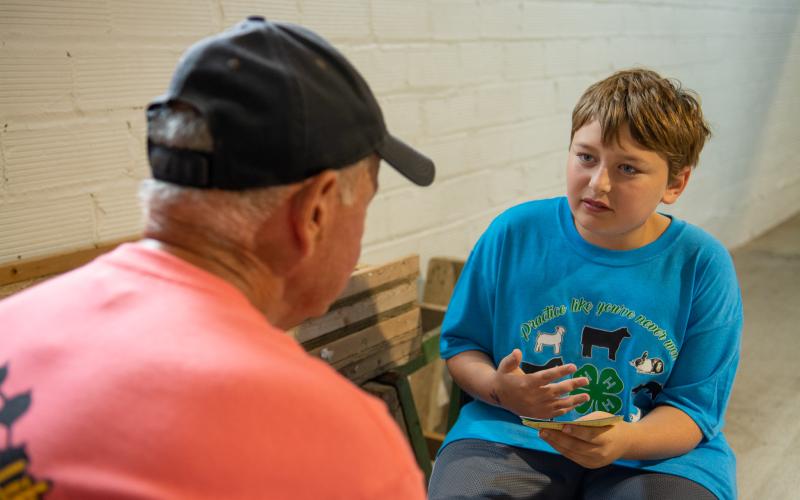
4-H Coach and Chaperone Application
4-H Volunteers interested in chaperoning or coaching a team should complete this form.
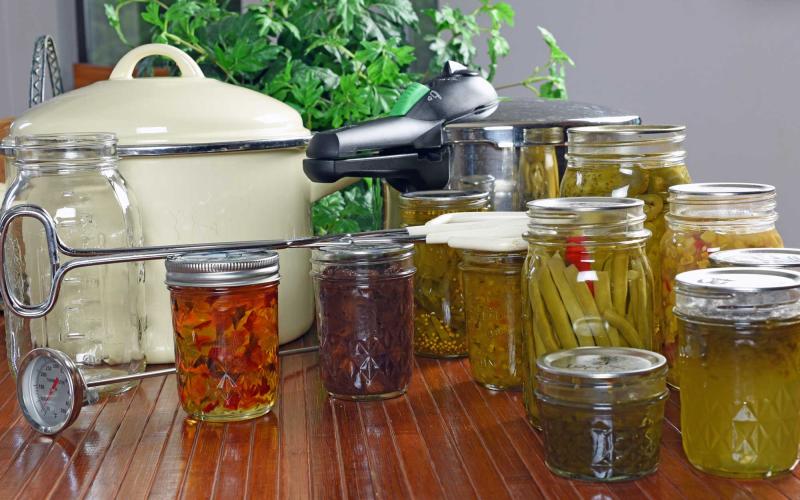
Master Food Preserver Volunteer Program
If you enjoy preserving food, volunteering and helping your community, SDSU Extension's Master Food Preserver volunteer program may be for you!
Crop Tolerance to Soil Herbicide Residual
Some herbicides can persist in soil, especially dry soil. Herbicide carryover could be an issue in 2021 across the state depending upon last year’s moisture levels and field conditions.
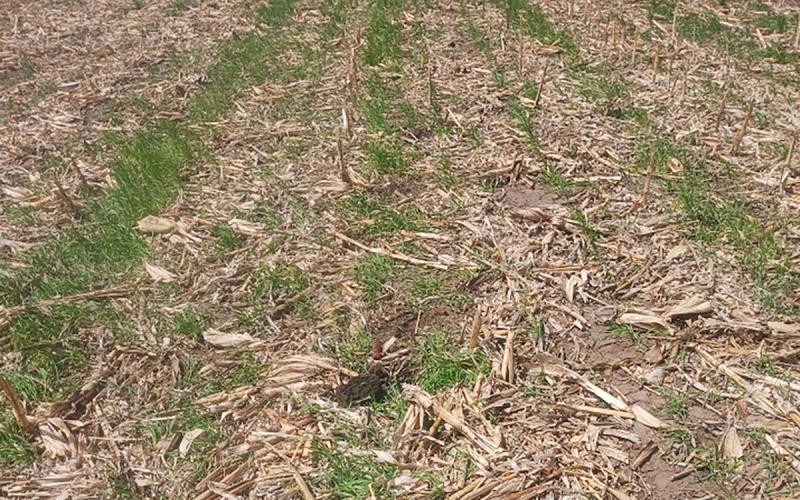
Effects of Different Cereal Rye and Winter Camelina Seeding Rates on Biomass Production and Soil Properties When Broadcast Seeded
Benefits to soil health generally increase as cover crop biomass production increases. Recent research sought to determine how the seeding rate of two cover crop species and mixtures affected biomass production and some soil health indicators.
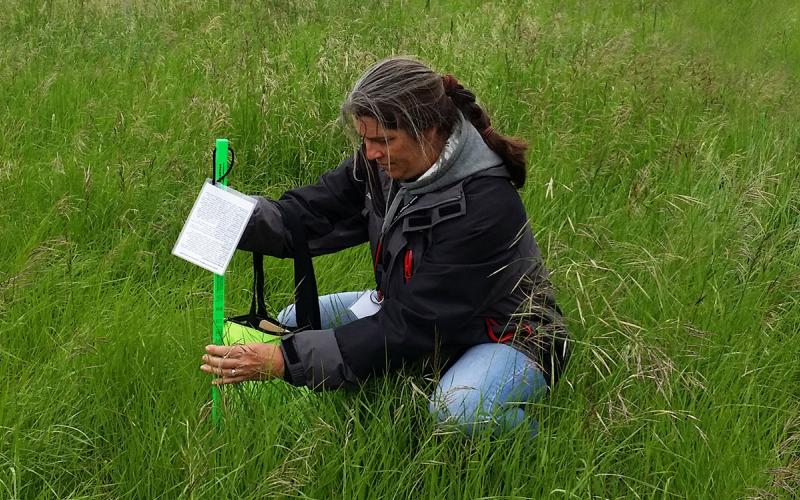
Using the ‘Grazing Stick’ To Assess Pasture Forage
Assessing pasture forage is a key step in planning grazing strategies. A grazing stick is a tool that uses simple math and measurements to determine herd size, stocking rates and available grazing days. We will address how to use a grazing stick in this article.