Search
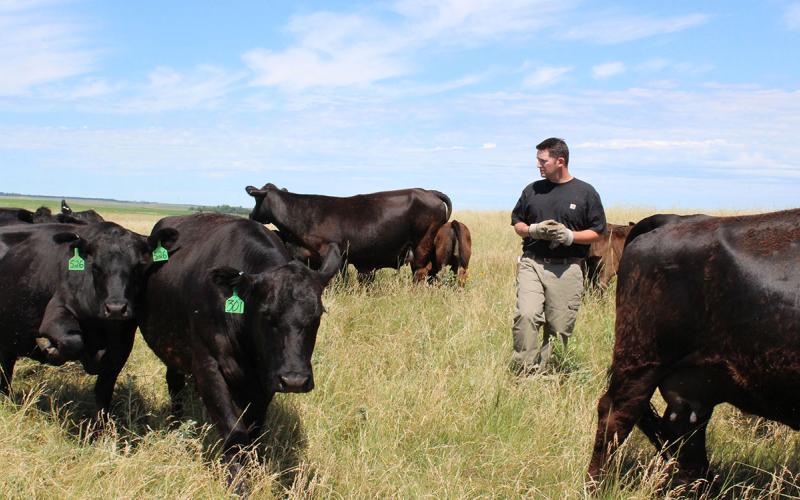
Management-Intensive Grazing Plays a Key Role in Expanding Grass-Based Agriculture
By improving livestock carrying capacity and reducing feed costs, grazing strategies at greater management intensity have the potential to improve grass-based livestock production profits.
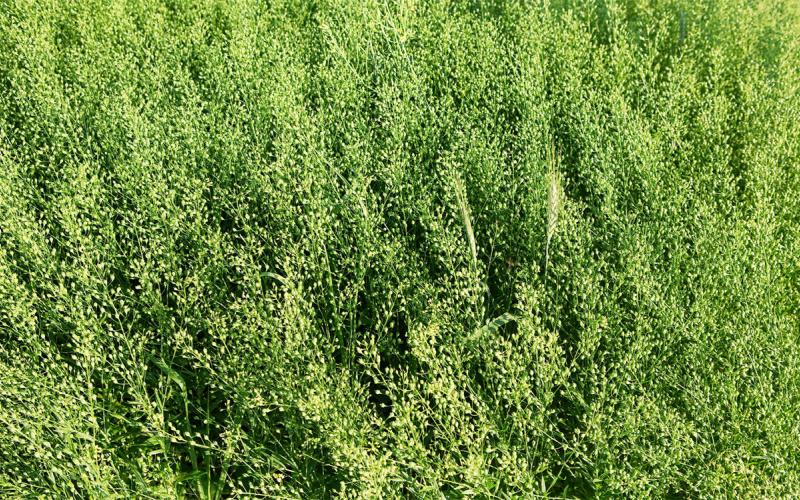
Spring and Winter Camelina in South Dakota
In the semi-arid, western portion of South Dakota, camelina has potential value as a fall-seeded cover crop, providing flexibility in crop rotations for improving soil health.
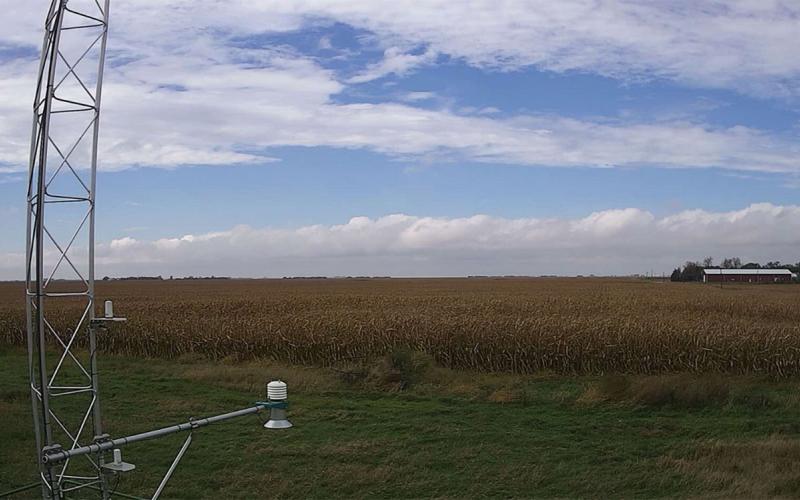
Climate, Weather and Fire/Fuels Update: October 2, 2023
Across South Dakota, some localized storms and showers brought rain in many parts of the state last week, while weekly average temperatures were two to ten degrees above typical for this time of year.
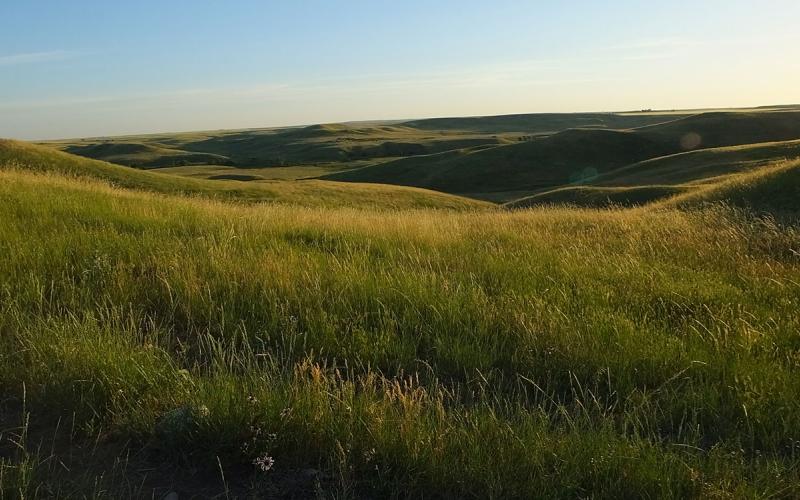
Range Beef Cow Research: Rangeland Soil Health
For rangelands to maintain productivity and produce adequate levels of forage, soil health must be sustained and function properly.
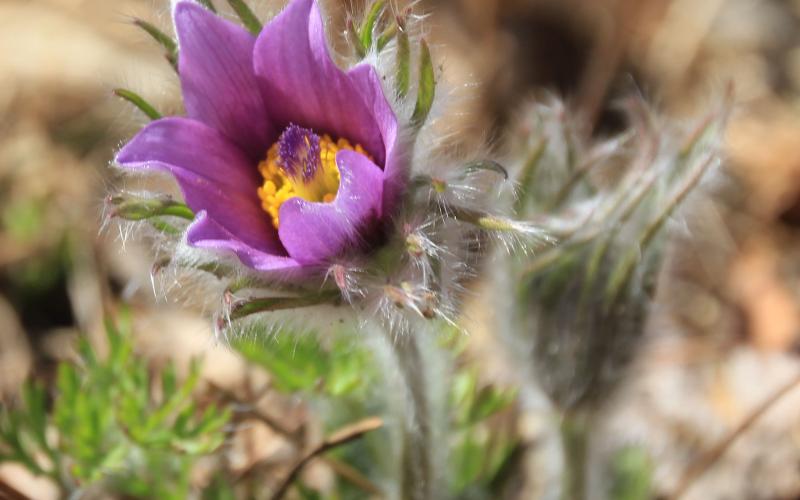
Common Flowering Plants (Forbs) of South Dakota
This guide focuses on forbs, or flowering “broad-leaved” herbaceous plants, but forbs can be narrow-leaved as well.
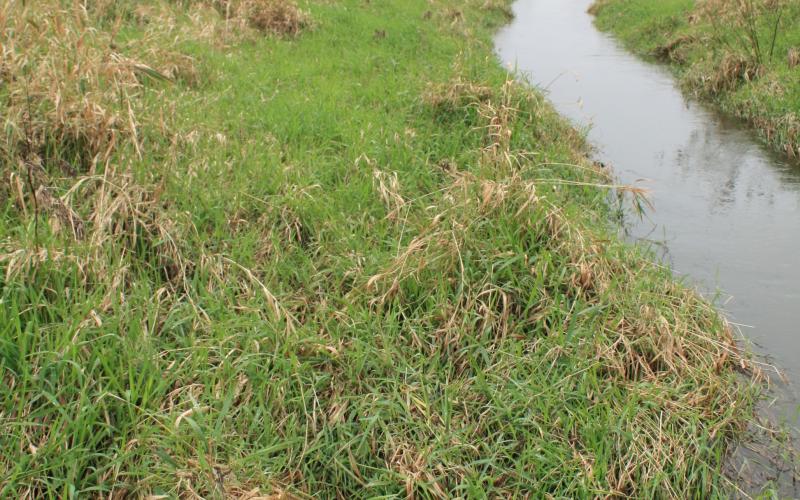
Saturated Buffer for South Dakota
Saturated buffer fact sheet for producers, tile drainage contractors, conservation professionals, other ag professionals.
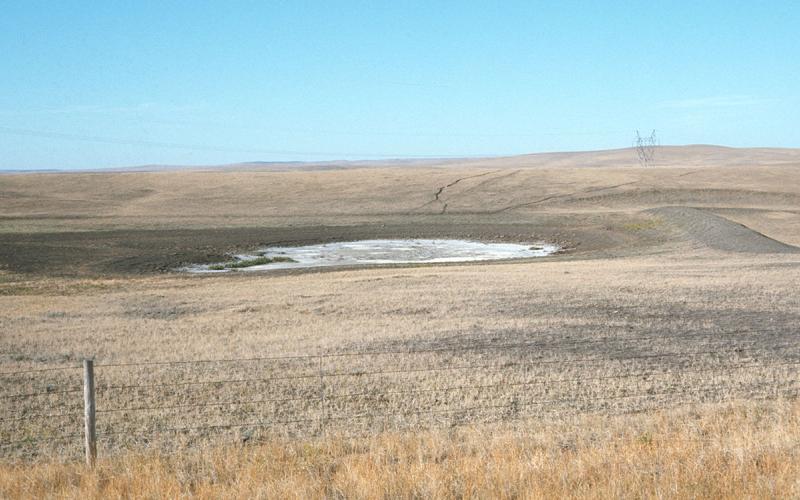
Can You Break the Hydro-illogical Cycle?
Regardless of the time of year, it is critical to start thinking about the next drought before we are in it. Learn some key strategies for breaking the Hydro-Illogical Cycle by leveraging drought motioning resources and creating a plan for your operation.
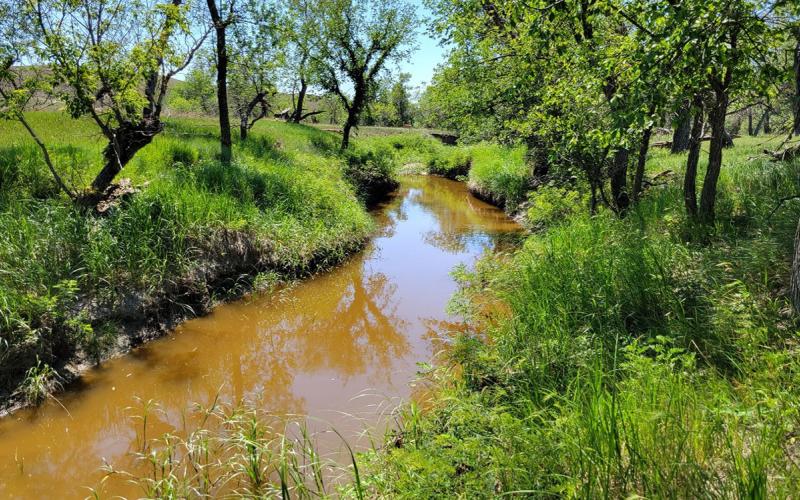
Ranching and Prairie Streams: Why Riparian Areas Matter
For many producers, riparian pastures are essential to their operations. However, land managers need to balance grazing and utilization needs with riparian health for the long-term benefit of their operation.
Western South Dakota Stream Guide now available for landowners, managers
January 24, 2023
A new manual, “Understanding Western South Dakota Prairie Streams” – or the Stream Guide – is now available as a free digital download.
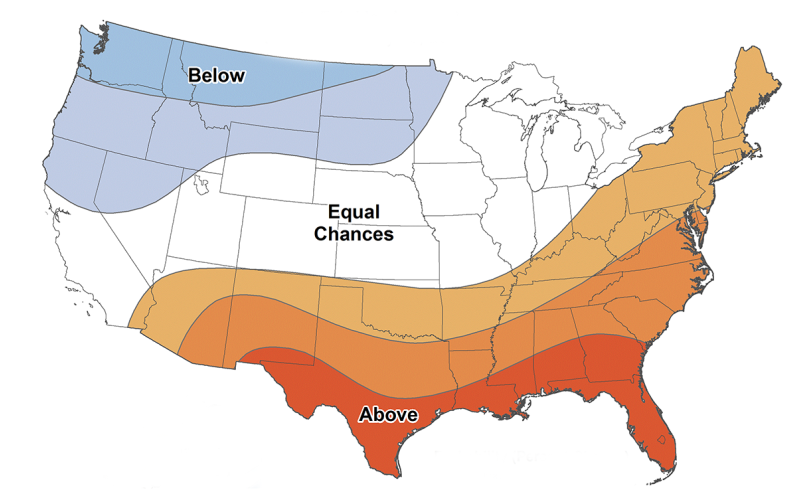
La Niña’s Third Year Concludes With Cold Temperatures
A rare, third consecutive year with La Niña conditions is coming to an end, but not without bringing cold temperatures in early February. See what to expect for the rest of winter and early spring with an analysis of the NOAA's latest climate outlook.