Search
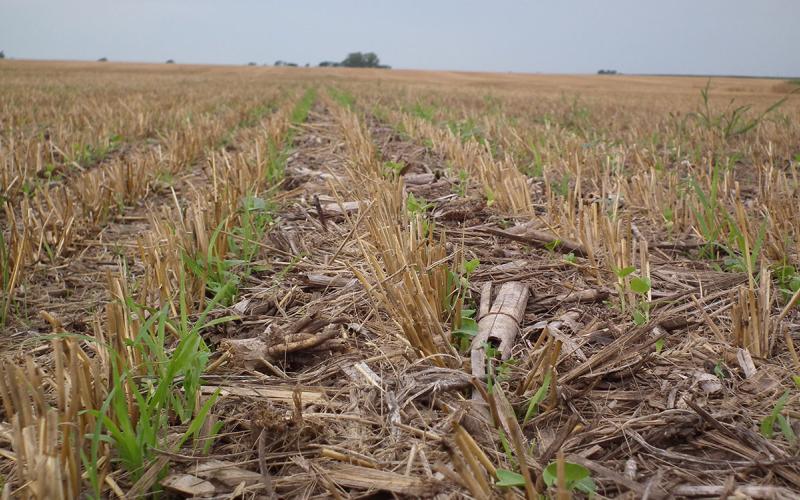
Soil Organic Matter Matters: How Conservation Practices Bring Value to Farmers
Conservation management practices, such as conservation tillage, cover crops, crop rotation and livestock integration, help improve soil health over time and offer producers numerous economic benefits.
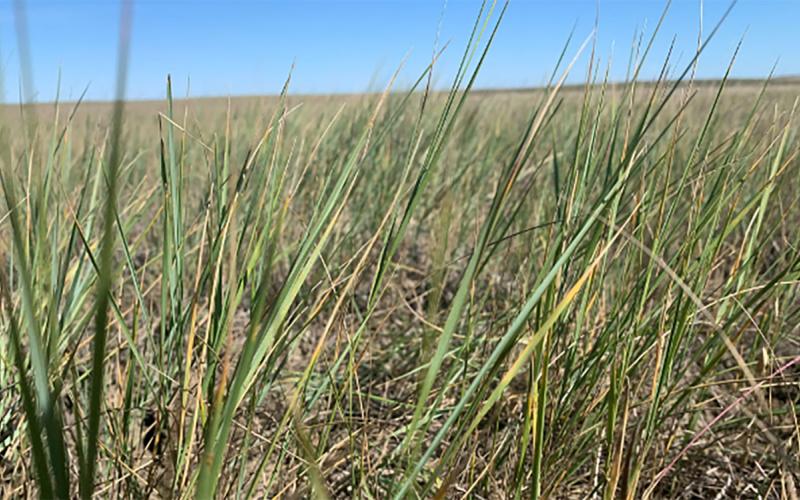
Options for Spring Turnout
Every year at green-up, grass managers must make decisions about when and where to begin grazing. Several options are available depending on pasture resources, stored feed resources and the ability to be flexible.
X-Ray Scanning Confirms Soil Health Benefits from Conservation Practices
Summary report of X-ray scanning confirms soil health benefits from conservation practices.
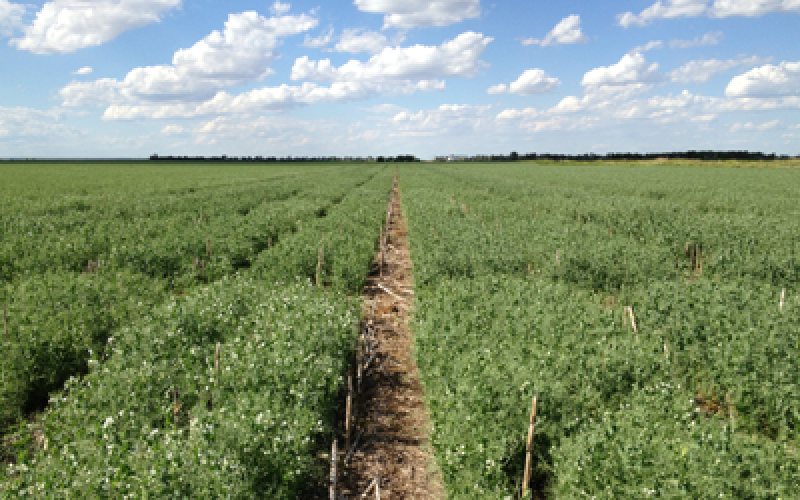
Weed Control: Pulse Crops
Weed competition can cause significant yield reduction in pulse crops. Pulse crops are weak competitors with weeds, therefore planning an effective weed control program is one of the keys to profitable production.
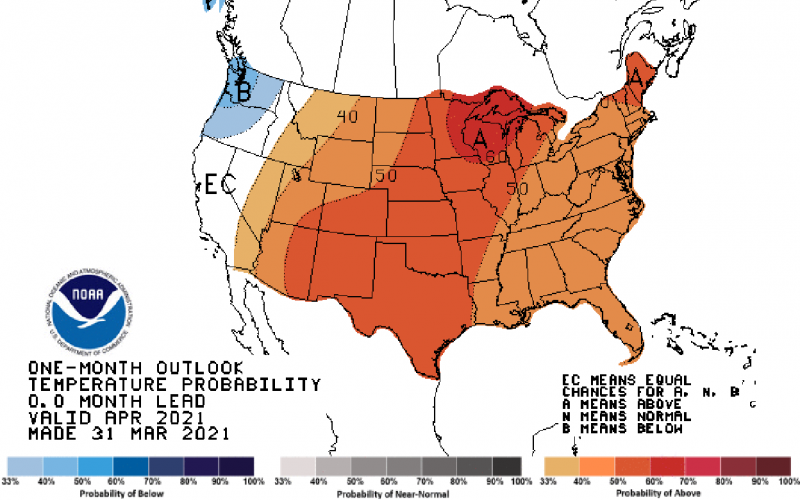
April 2021 Climate Update
As we look at March in the rear-view mirror, we look ahead to April and the potential for rain to return to South Dakota to reduce drought concerns across the state.
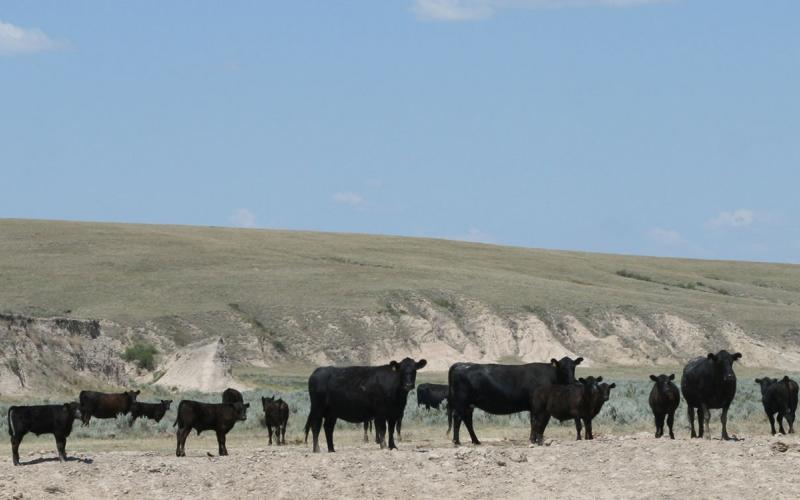
Adaptive Management: One Strategy To Increase Your Operation’s Flexibility and Resiliency
Adaptive management is a strategy that livestock producers can use to manage year-to-year variability in forage production and build drought resiliency for their operations.

South Dakota 4-H Launches Outdoor OWLS Program
April 29, 2021
South Dakota State University Extension and South Dakota 4-H have unveiled a brand new, yearlong program for youth interested in outdoor education and natural resources.
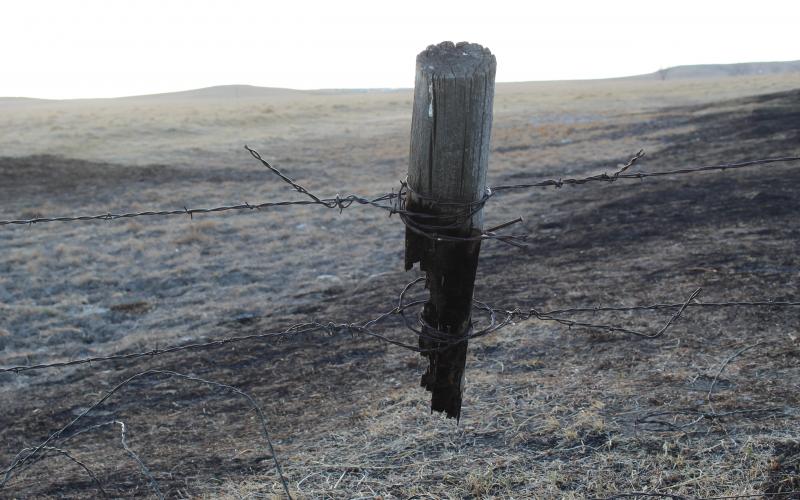
Windy and Divide Fires
General guide to all South Dakota landowners who may be affected by unplanned fire events.
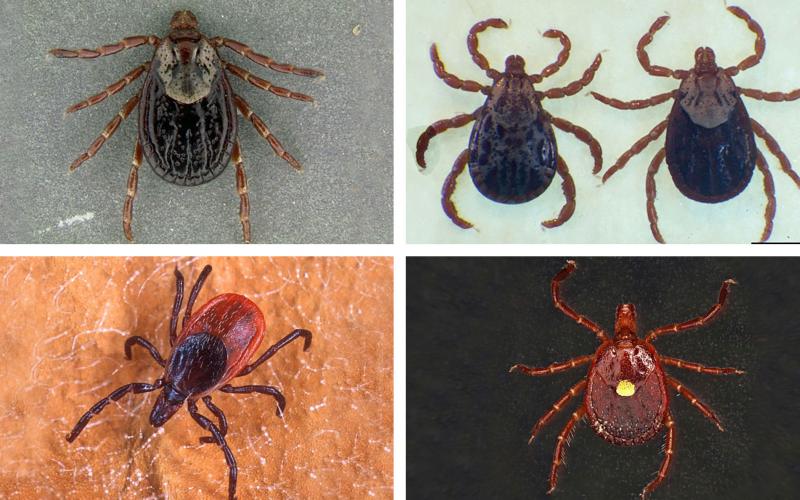
Be On the Lookout for Ticks
Ticks are one of the first pests to show up during spring. Learn some common ticks to watch out for in South Dakota, along with tips for preventing bites and removing ticks from your skin and clothing.
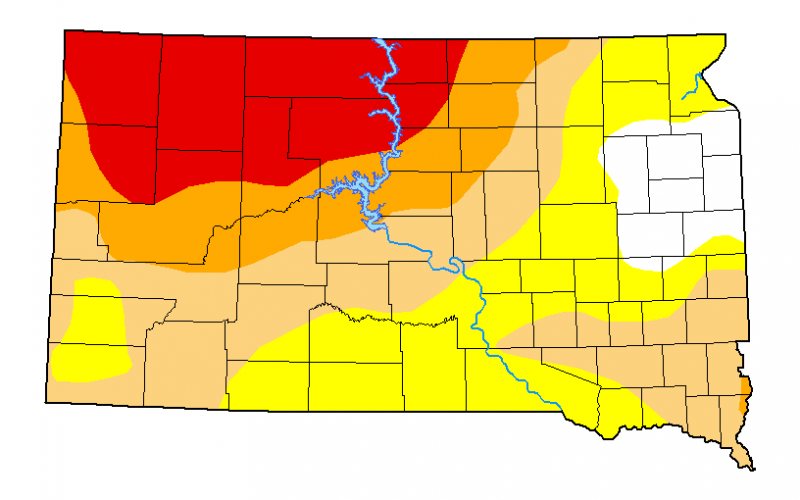
SDSU Extension to Resume Drought Hour in May
April 29, 2021
According to the latest U.S. Drought Monitor, nearly 95% of South Dakota is in some level of drought, including 19.42% that is classified as Extreme Drought (D3) in the north central region.