Search

Bookwork, The Missing Management Component: Depreciation Determination and Use
Another component of determining net income is depreciation. This is one component of the Schedule F that many understand the least. Typically, the most use it gets is to minimize income tax through accelerated tax depreciation under section 179.
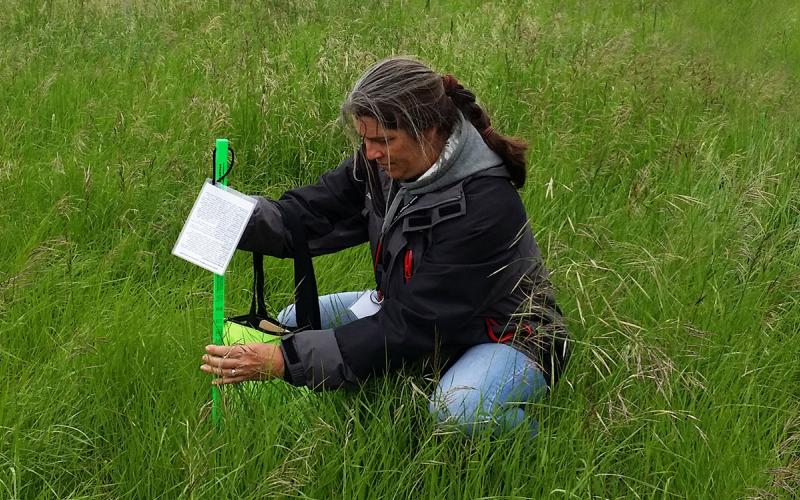
Using the ‘Grazing Stick’ To Assess Pasture Forage
Assessing pasture forage is a key step in planning grazing strategies. A grazing stick is a tool that uses simple math and measurements to determine herd size, stocking rates and available grazing days. We will address how to use a grazing stick in this article.
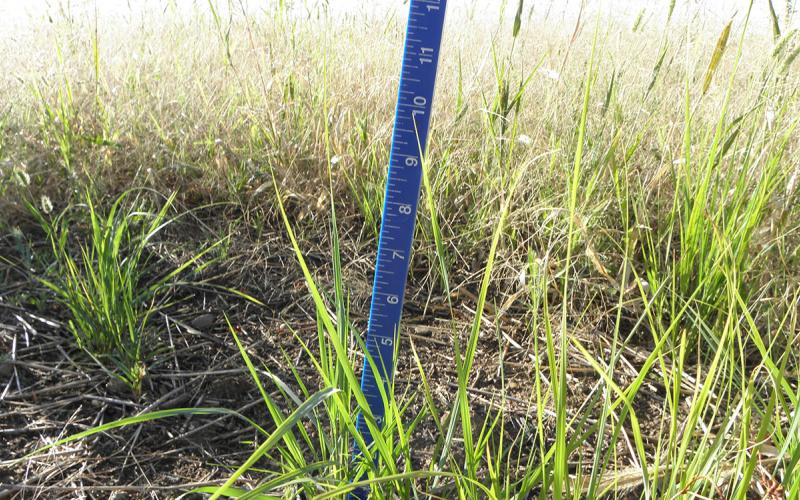
Measuring Grassland Production
Assessing pasture forage production is a key step in planning harvest strategies and can also inform the manager on the status of wildlife habitat or other grassland values.
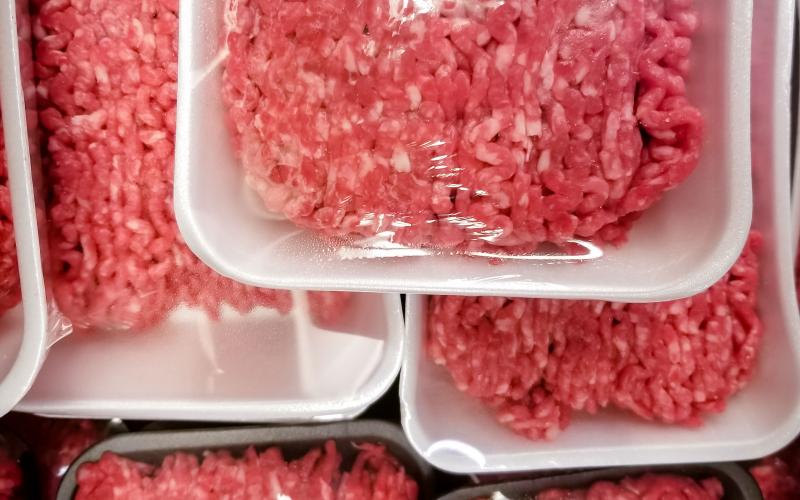
Looking for Foodborne Germs and Their Resistance to Antibiotics: Ground Beef
This report analyzes the NARMS results for ground beef for the period of June 2018 through May 2019.
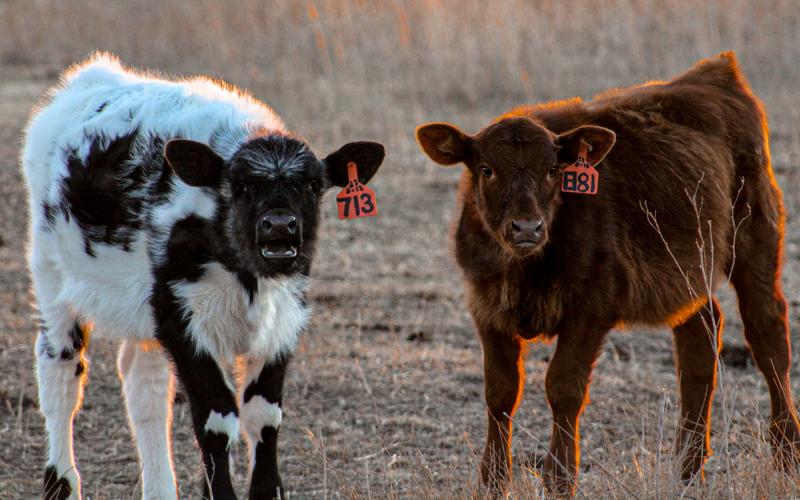
Combatting Drought Conditions With Early Weaning
Producers experiencing drought conditions should consider early weaning to reduce fall grazing pressure and facilitate some pasture recovery before dormancy.
Cattle HQ
SDSU Extension's beef team provides valuable insights to improve the health, productivity and profitability of your herd through the Cattle HQ podcast and monthly webinars.

Nursery Pig Performance Impacted by Total Dissolved Solids in Water
Because water quality can vary considerably between production sites, it is important to identify the qualities of water that impact the growth performance of nursery pigs.
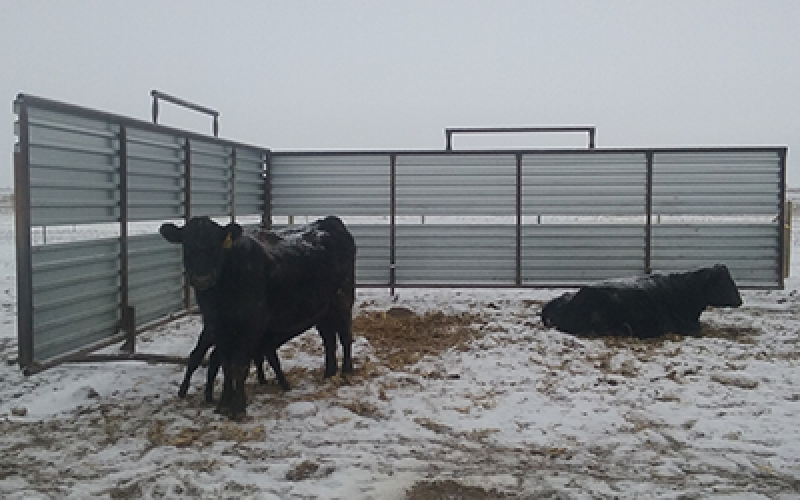
Cold Weather Management Options
Winter weather conditions impact cattle as well as the cattle producers. Cold temperatures combined with wind creates more stress and increased management to achieve similar animal performance.
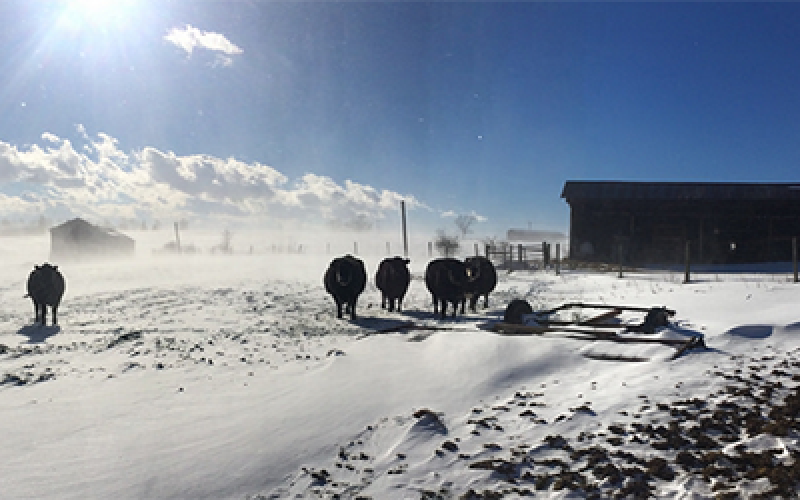
How Does Cold Stress Affect the Energy Needs of Cattle?
Most beef producers understand that when the weather gets colder their cattle need more energy for maintenance. The questions are when do cattle start experiencing cold stress and then how much more energy do they need? Both the actual temperature and the wind speed interact to determine the effective temperature.
Economic Impact of the Beef Industry on South Dakota
The beef industry in South Dakota makes a significant contribution to economic output and development in the state. As of January 1st, 2012 there were 1,610,000 beef cows in South Dakota. These cows produced 1,710,000 calves during the year and the industry produced an estimated $2,283,766,027 in gross income during 2012 (South Dakota Agriculture 2013).