Search

Using Feedlot Manure to Reduce Crop Production Costs
Manure plays a key role in reducing system costs for integrated livestock-crops enterprises. Livestock waste can be a valuable source of crop nutrients when correctly managed.
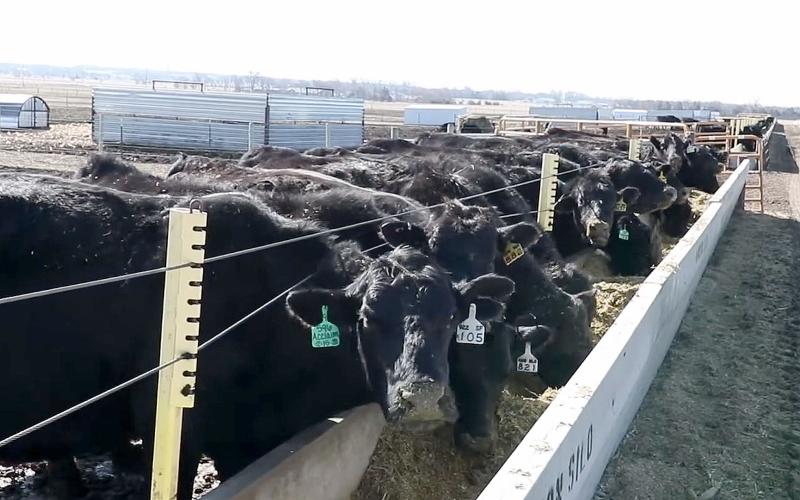
Registration open for 2026 Siouxland Feedlot Forum
April 20, 2026
Registration is open for the Siouxland Feedlot Forum on June 16, 2026, in South Sioux City, Nebraska.
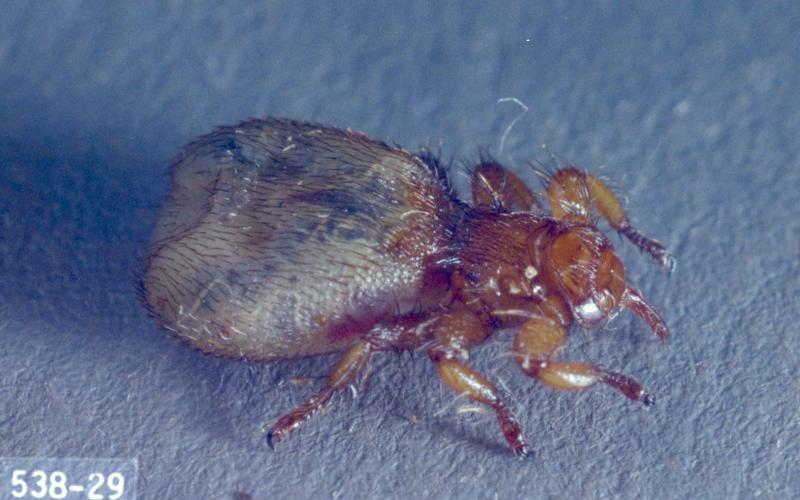
Sheep Keds in South Dakota
Factsheet covering the lifecycle, identification and management options for Sheep Keds in South Dakota.
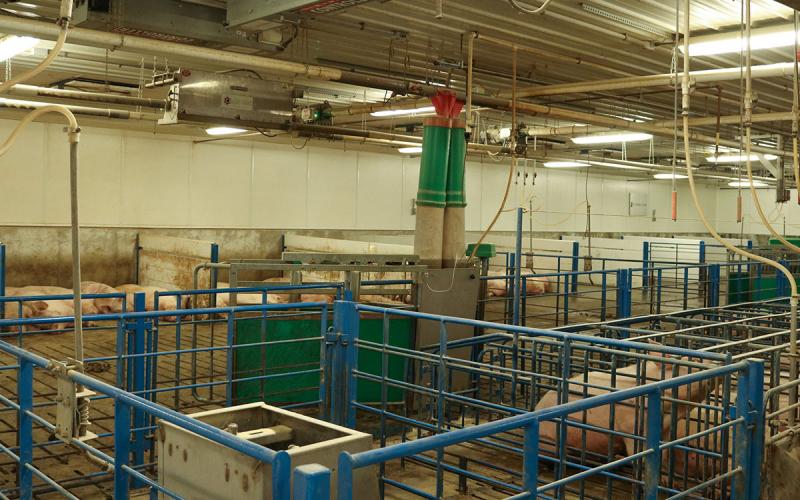
Pseudorabies Detected in Iowa and Texas Swine Farms: Prevention Tips, Clinical Signs, and Testing
For the first time since being eradicated in the U.S. Commercial swine herd in 2004, pseudorabies (PRV) has been confirmed in herds in Iowa and Texas. Responsibility falls on everyone in the industry to ensure that this virus does not gain a foothold again.
Breeding Season Preparation
Whether you are going to be using artificial insemination or turning out bulls for natural service, planning plays an essential role in a successful breeding season.
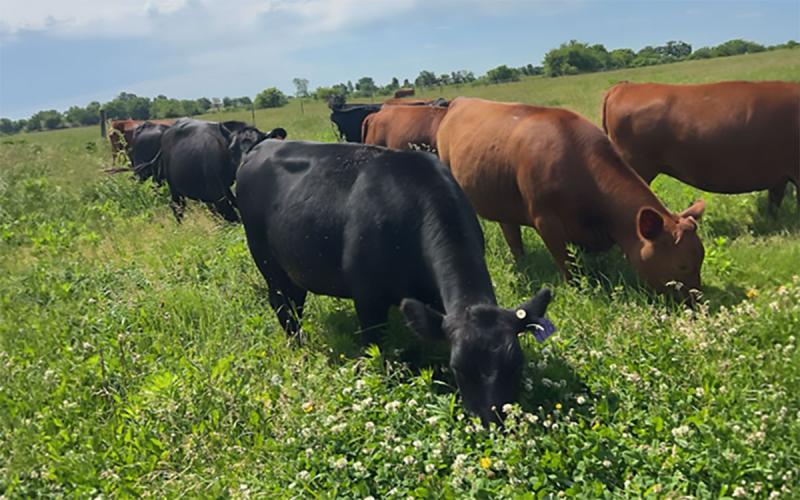
Diversifying Your Forage Base for Drought Flexibility
While no single strategy eliminates drought risk, diversifying the forage base can offer producers added flexibility by spreading risk across species, planting windows, and rooting depths.
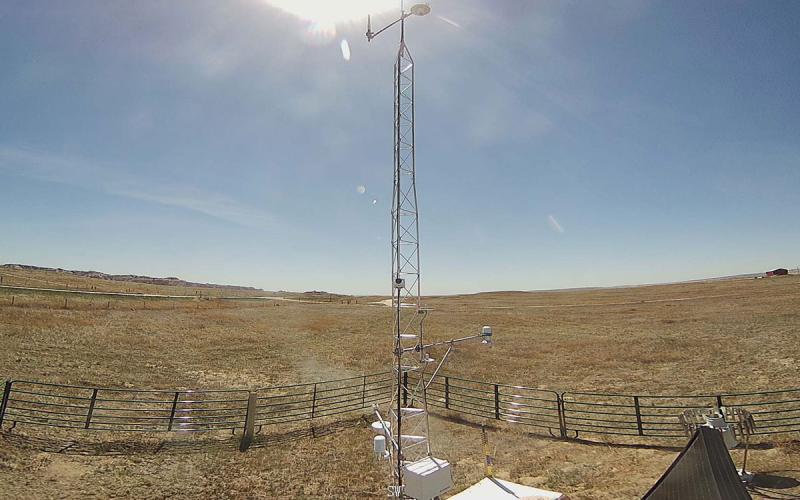
Pasture Conditions
Pasture conditions need to be carefully considered when determining when to turn livestock out to pasture, especially during drier years. See some tips and tools to help make your operation's turn out season a success.
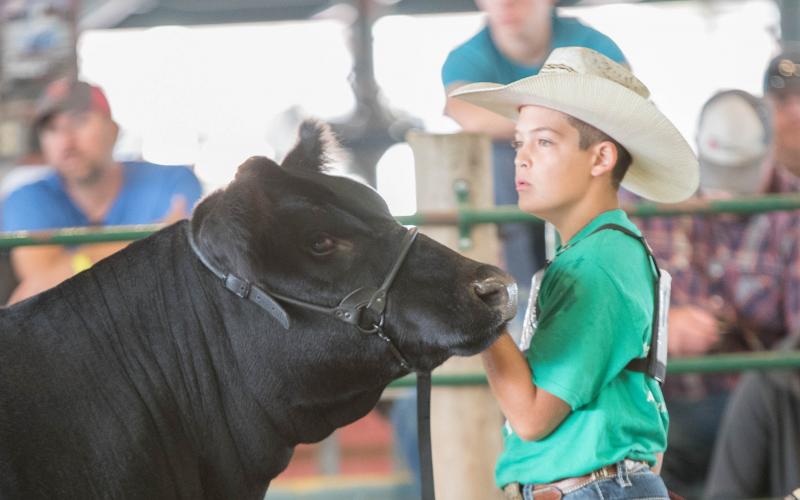
Why Tattoo Your 4-H Livestock?
Proper identification of animals helps create an honest record keeping system. With current DNA blood typing procedures animals can be identified through parentage, but when it comes to everyday practices on the farm or ranch a good tattoo can be a huge time saver in the event of a lost ear tag.
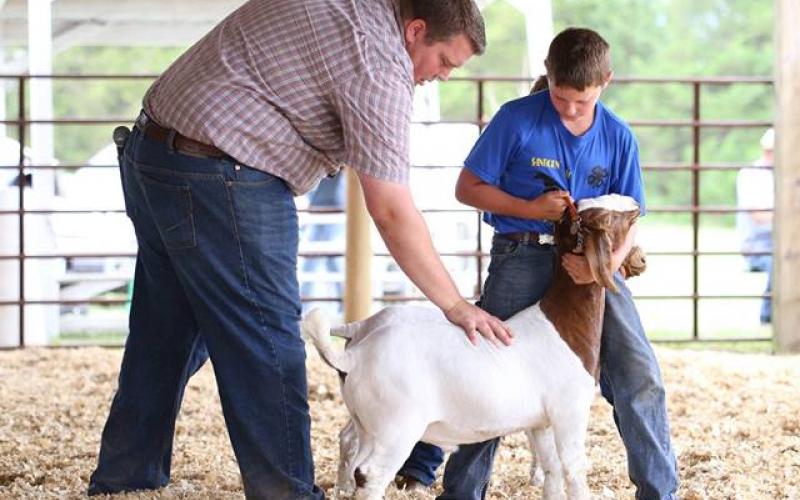
Bringing Home Your 4-H Goat Project
Sales and transport is a stressful time for any animal. Reducing stress factors due to transitions start before the actual purchase of your new project. Managing proper nutrition and disease management are just a couple factors to help your project get off to a great start.
Safety & Training
Covering the range from animal handling to equipment safety, including training and certification to keep producers and their workforce productive.