Recent Cases
For the first time since being eradicated in the U.S. Commercial swine herd in 2004, pseudorabies (PRV) has been confirmed in herds in Iowa and Texas (Shike, 2026).
A small commercial swine facility in Iowa was confirmed to have positive cases of PRV by the USDA’s Animal and Plant Health Inspection Service (APHIS) and the National Veterinary Services Laboratories during routine testing. Officials at APHIS, in collaboration with the Iowa Department of Agriculture and Land Stewardship and the Texas Animal Health Commission, revealed that five affected boars in the Iowa facility originated from an outdoor production site in Texas (Shike, 2026). It is believed that the initial infection on the outdoor production site in Texas may have been a result of unintentional contact with feral swine.
Pseudorabies virus was eradicated from the U.S. commercial swine herd in 2004. However, it is critically important to remember that PRV is endemic in the feral swine populations around the U.S. An APHIS release stated, “Pseudorabies is still found in wild or feral swine populations, which remain a potential threat of exposure for domestic pigs.”
While the state of South Dakota does not currently have a confirmed feral pig population, populations continue to migrate northward from the Southern U.S., and there is a growing presence of feral pigs in Canada that threatens to move south as well. The detection of PRV in a commercial farm in our neighboring state of Iowa is a sobering but a needed reminder that swine producers of all sizes and production types must consistently verify the implementation of existing biosecurity measures and determine if added measures are necessary.
Prevention Tips
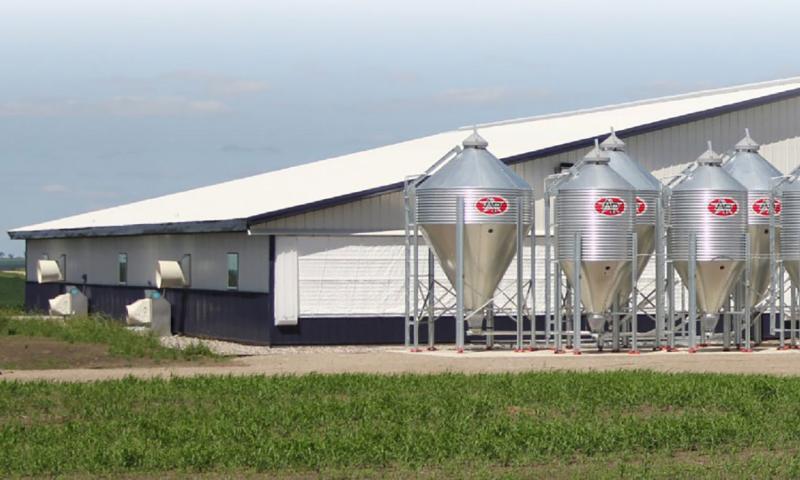
Here are some tips to help reduce the chance of a PRV outbreak on your farm:
- Implement a perimeter buffer area to limit the potential to exposure from wildlife and unnecessary visitors. While feral pigs are of the highest concern, a variety of other wildlife species may serve as vectors for PRV spread. Thus, building and/or reinforcing a sturdy fence around your operation can help to reduce the potential for contact.
- Ensure proper use of Lines of Separation at all entrances to your facilities. This includes, but is not limited to, making sure that all people, vehicles, and supplies are properly disinfected before entering your farm.
- Verify that all employees and visitors to the farm are wearing clean, farm specific clothing, or disposable coveralls and shoe covers, as well as necessary PPE (i.e. gloves and face masks). Humans and our clothing can function as vessels for the spread of PRV.
Proper biosecurity protocols can be the difference between your herd remaining healthy, or contracting PRV and other viral infections. For more information on biosecurity protocols please visit The Healthy Swine Herd Series or Swine Health Information Center.
Additionally, it is critically important to understand the health status of any herd that you source animals from (i.e. replacement breeding stock). Dr. Russ Daly, Professor and Extension Veterinarian at South Dakota State University, says, “Knowing your source herd and asking them questions about feral hog contact will now be more important. It’s (PRV) certainly not a disease that most producers currently think to test for.” As there has not been a confirmed case of Pseudorabies in the U.S. commercial herd in over 20 years, it is easy to let the signs and testing procedures slip our collective mind.
Pseudorabies can be transmitted through multiple avenues. While respiratory transmission from one pig to another is the most common route, transmission may also occur through fecal-oral transmission, via infected semen, and through fomites. It is also important to remember that other species can be infected and transmit PRV to swine. Wildlife, dogs, and cats are of highest concern; signs in some of these other species are neurologic in nature.
Clinical Signs
Clinical signs of PRV often present themselves differently across various stages of production. The Merck Veterinary Manual (Pseudorabies in Pigs - Nervous System - Merck Veterinary Manual) describes these signs in detail, but here are some of the most important signs to look for in each stage of production.
Suckling Pigs/Neonates
- Up to 100% mortality in < 7-day old pigs.
- Central nervous system signs (Tremors, incoordination, seizures, paddling, circling, and posterior leg paralysis).
- High fever (≥ 105° F).
- Depression and anorexia.
Weaned & Growing-Finishing Pigs
- Respiratory disease signs (i.e. coughing, sneezing, and shallow/labored breaking), especially if there are secondary bacterial infections present.
- High fever (≥ 105° F).
- Anorexia and weight loss.
- Mortality can reach 50% if the infection occurs in nursery pigs but generally remains low (1-2%) if it occurs during the growing-finishing period.
Mature Pigs (Sows and Boars)
- Symptoms are often mild or subclinical in open sows, but often result in reproductive failure.
- Reproductive failure presents differently depending on stage of gestation. Can present as:
- Early embryonic death.
- Abortions.
- High stillborn rate.
- High rate of mummified fetuses.
- Weak newborn piglets with tremors and early post-farrowing mortality.
- Fever.
- Mild Respiratory symptoms.
Many of these clinical symptoms are common amongst a variety of viral infections. Therefore, testing is essential for determination of PRV infection, and it’s essential that pork producers work closely with their veterinarians if they observe unexplained illness or death loss in their animals. For more information, please refer to this thorough Pseudorabies Virus Factsheet courtesy of the Swine Health Information Center (Swine Health Information Center).
Testing
Diagnosis is made through PCR testing of infected tissues during an active infection or serological (blood) testing for prior exposure (Rademacher, 2026).
Aaron Singrey, Research Associate in the department of Veterinary and Biomedical Sciences at SDSU says, “Serological (blood) samples are tested via ELISA tests to detect antibodies in serum. Blood samples should be collected in collected in serum separator tubes, or any blood collection tube that does not contain additives that prevent coagulation (usually red-topped collection tubes). Do not use tubes that contain EDTA, heparin, or sodium citrate”.
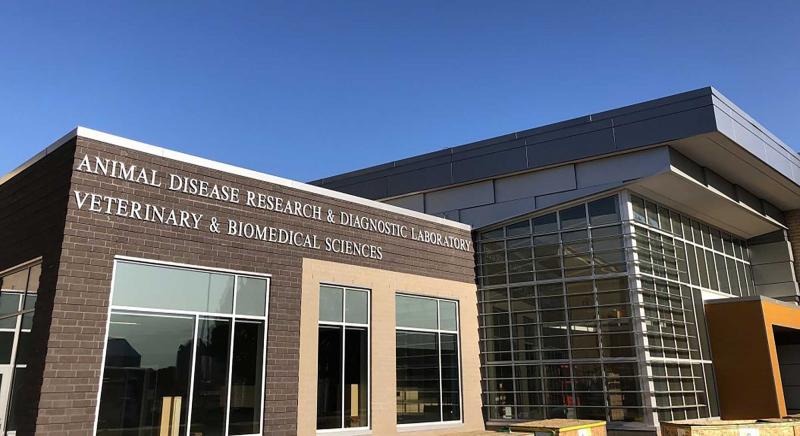
Veterinarians can submit samples to the SDSU Animal Disease Research and Diagnostic Laboratory (ADRDL) using the Swine Health Submission Form or the All Species Herd Health Submission Form. Samples can also be submitted using the ADRDL electronic submission system, for existing customers.
In Summary
Pseudorabies infection had a devastating impact on the U.S. swine herd prior to its eradication in 2004. Responsibility falls on everyone in the industry to ensure that this virus does not gain a foothold again. Maintaining high biosecurity standards, constant vigilance for clinical symptoms in every herd, and proper testing procedures are all key pieces to ensure the Pseudorabies virus does not plague U.S. swine production again.