Search

Resistance Band Exercises
Resistance band exercises can help strengthen your muscles and help your body perform everyday activities easily and comfortably.

Pick it, Try it, Like it for Grocery Stores and Sampling
Use these Pick it, Try it, Like it materials to educate consumers at farmers' markets or grocery stores.

Pick it, Try it, Like it for Schools and Adults
Use these Pick it, Try it, Like it lesson plans to engage elementary youth and adults in educational programs.

Understanding Hoarding and the Impact on a Healthy Home
Excessively acquiring items, even when there is limited space, is a sign of hoarding. Hoarding becomes dangerous when the surplus clutter impacts the ability to maintain a healthy home.

Safe Exercise Habits in the Summer Heat
Midwesterners always get excited when the temperatures warm up and daylight gets longer during the summer, but there is some extra care required to exercise safely in summertime heat and humidity.

SDSU Extension Master Gardener Program Volunteer Policy Guide
This guide offers current and prospective SDSU Extension Master Gardeners information on: applying for the program, maintaining certification, categorizing and reporting service hours, understanding the various levels of volunteer service and much more!

SDSU Extension Better Choices, Better Health-South Dakota raising awareness for National Chronic Disease Month
June 24, 2024
South Dakota State University Extension Better Choices, Better Health-South Dakota is observing National Chronic Disease Month in July with a series of free, family-friendly events.

Health Insurance and the Marketplace
The Marketplace is a service operated by the U.S. Department of Health and Human Services where you can shop and enroll for health insurance. Learn what's covered in marketplace plans, how to enroll, and where you can get help.

Summer Family Fitness Challenge
As the world gears up to watch the pinnacle of athletic performance and international competition this summer, now is a great time to jump into your own family competition to gather essential minutes of physical activity!
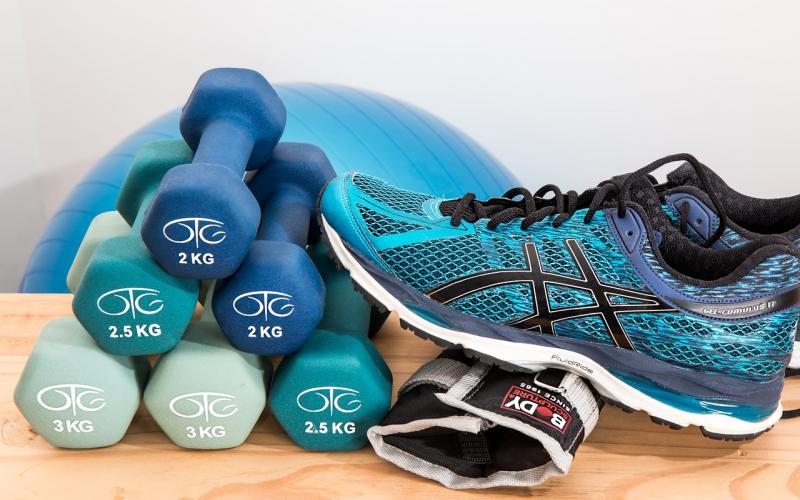
Hand Weight Exercises
Hand weight exercises are a form of strength training, which is important to keep your body moving and in optimal health.