Search
South Dakota Active Transportation Network
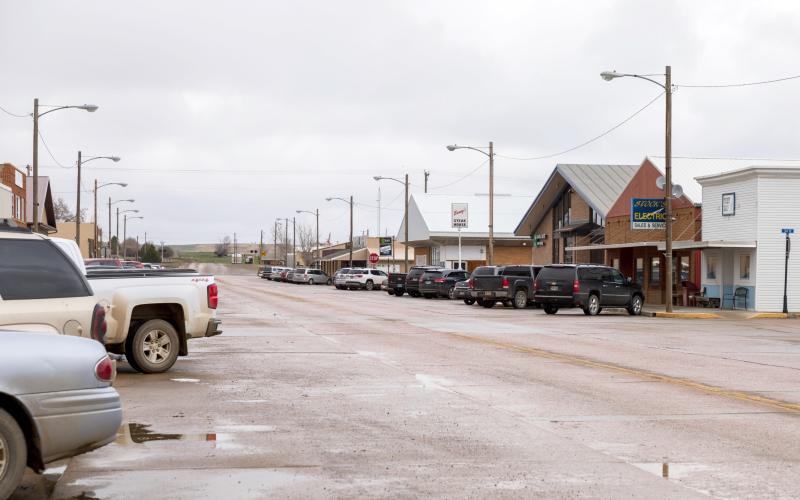
The purpose of the South Dakota Active Transportation Network is to bring together and equip partners statewide to address barriers to safe, active transportation.

SNAP EBT Devices for the Farmers Market or Direct Market Farmer
Interested in offering SNAP EBT as a form of payment at your direct market farm or farmers market? Get started today with this resource that explores how to apply and how to select a payment device that fits your market's needs.
Selling and Distributing Eggs in South Dakota
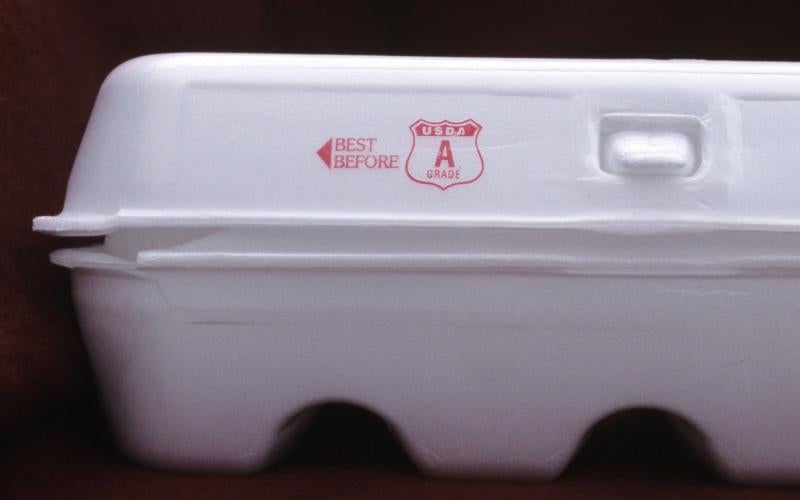
If planning to sell eggs in the state of South Dakota, an egg dealer license must be obtained annually. The application for this license can be found and printed from the South Dakota Department of Agriculture’s Form Finder website.

Beginner’s Guide to Grant Writing Workshops
Often, a community or organization needs capital to get a project off the ground. Our Beginner’s Guide to Grant Writing workshops can be the start of finding that initial investment.
South Dakota Fairs and Festivals - Part One: Festival Deserts, Festival Revival, and Festival Impacts
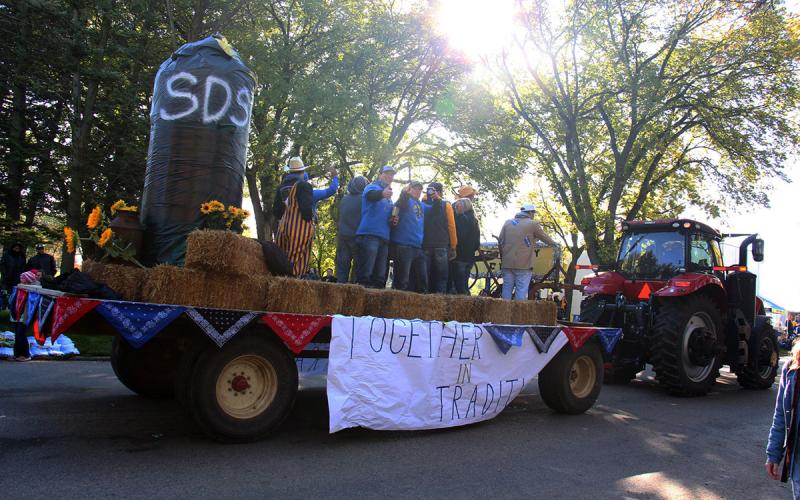
In South Dakota, many fairs and festivals take place in late summer or fall to celebrate a successful harvest, and the ways of life that made it possible. Learn about the impacts of these festivals and why they are worth preserving, developing, and re-imagining.

Energize!
The Energize! Exploring Innovative Rural Communities Conference is designed to empower South Dakota’s rural communities by inviting them to network with community leaders from across the state to share success stories, get new ideas and take action to improve their own communities.

Energize 2027 Host Community Application Deadline
SDSU Extension is seeking applications for a host community for the ninth annual Energize! Exploring Innovative Rural Communities Conference.
Food and Product Regulations for the Farmers Market
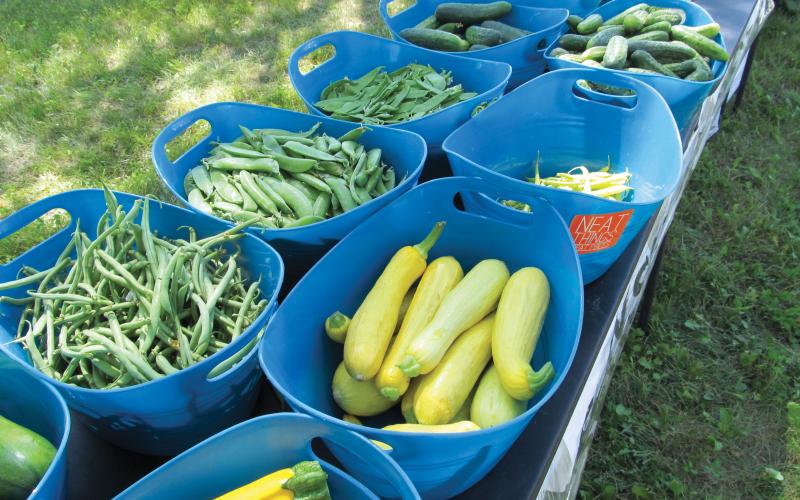
Food safety regulations can come from the federal, state or local government. This article provides information on numerous regulatory topics as they apply to vendors and market managers involved with farmers markets.
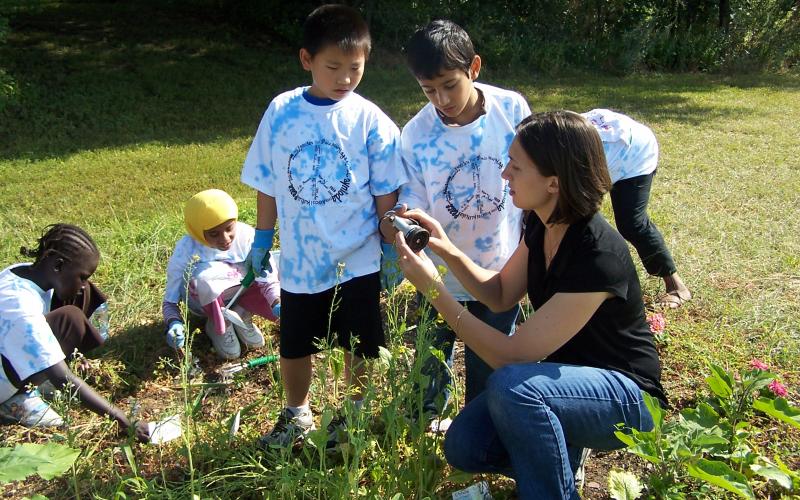
Ages & Stages in the Garden: Ages 9-11
When working with upper elementary youth in a garden consider their physical development and skill level as you develop learning activities. Nine to eleven year olds have better coordination and reaction time by this age, however sometimes dues to growth spurs there can be short-term issues with balance and coordination. Additionally, these children have more body strength and their hand dexterity has increased.

Ages & Stages in the Garden: Ages 6-8
A garden can be used to teach many concepts to a board range of ages. When working with early elementary youth you will want to consider characteristics of their development when planning lessons and activities.