Search
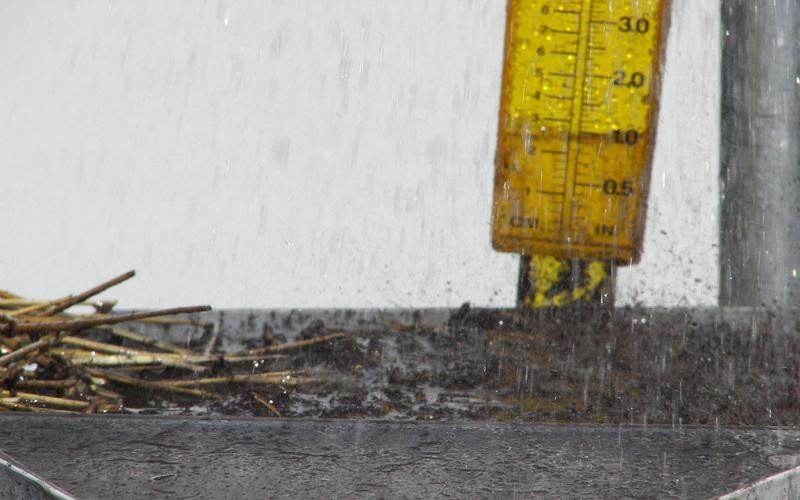
How Soil Holds Water
Water retention is an important soil property and is related to soil texture, organic matter content, and density.
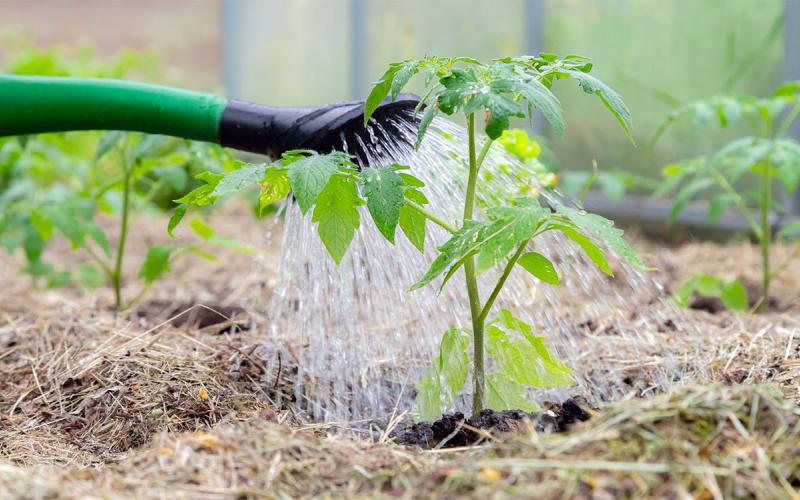
Microbial Water Testing for South Dakota Producers
Microbial water testing is important for produce growers to know the quality of their water to help ensure the safety of the fruits, vegetables, and herbs they produce.
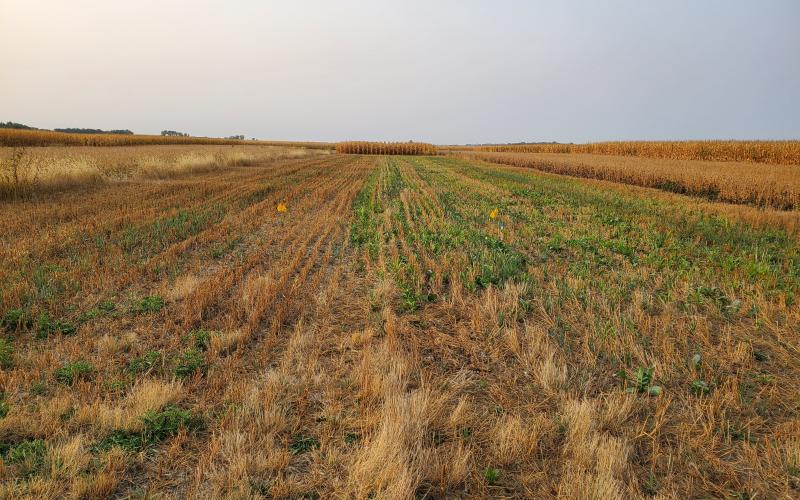
Managing Water with Soil Health
If we are seeing so many benefits to drainage and soil health systems, why isn’t everybody doing it? Can we see a win-win-win situation when looking at habitat, agronomy, and water quality in a system?
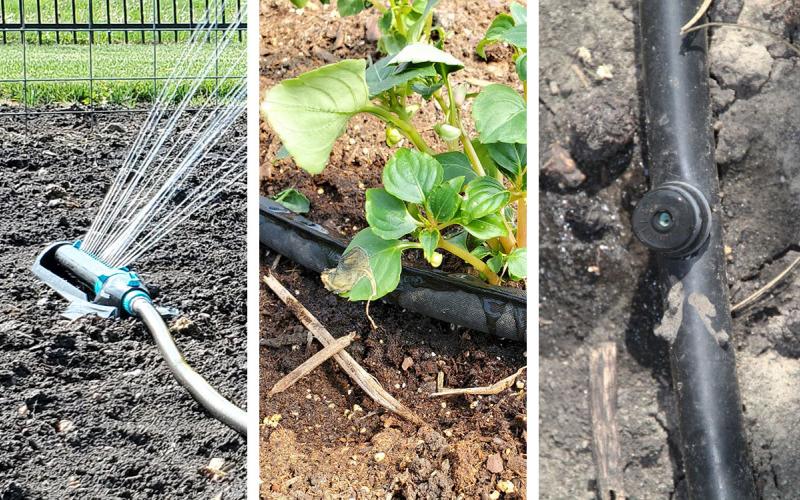
Options for Watering Home Gardens and Landscape Plantings
Ensuring that your garden plants receive adequate water throughout the growing season does not have to be overwhelming. There are a variety of water management options available to make the process easier.
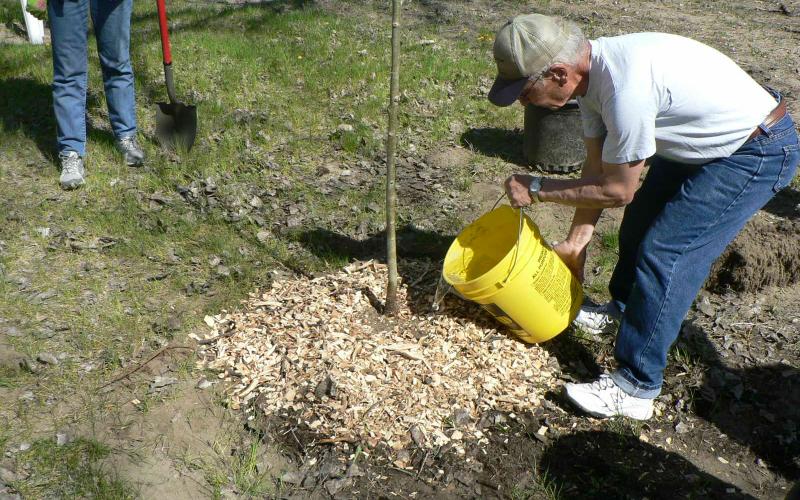
Tree Watering Tips for Drought Conditions
There is no precise recipe for how much and how often trees should be watered during a drought. However, there are a few guidelines to follow.

Feeding Hybrid Rye Grain to Cattle
Feedlot researchers at SDSU were approached to evaluate the potential for hybrid rye to be used in cattle finishing diets. See what they found in terms of cattle performance and feed efficiency.
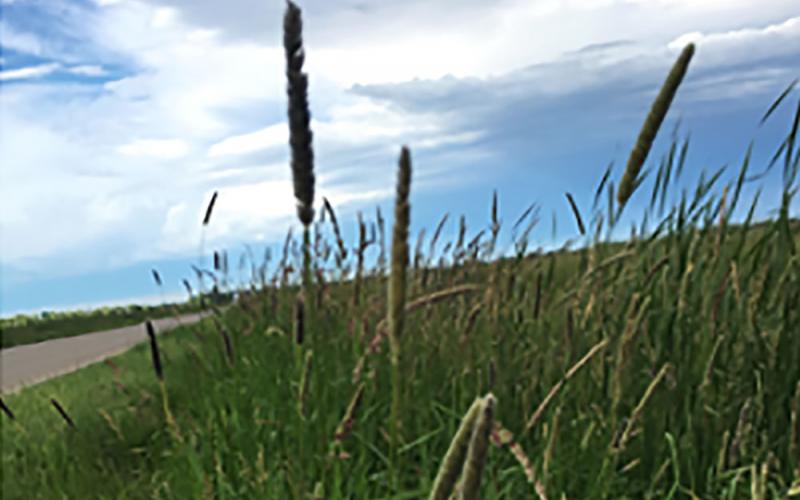
Ditch Hay: Harvesting, Quality, and Feeding
Using ditch hay to feed cattle is a common practice across the U.S. It provides livestock producers with a source of readily available forage, which can be very useful, particularly during feed shortages.
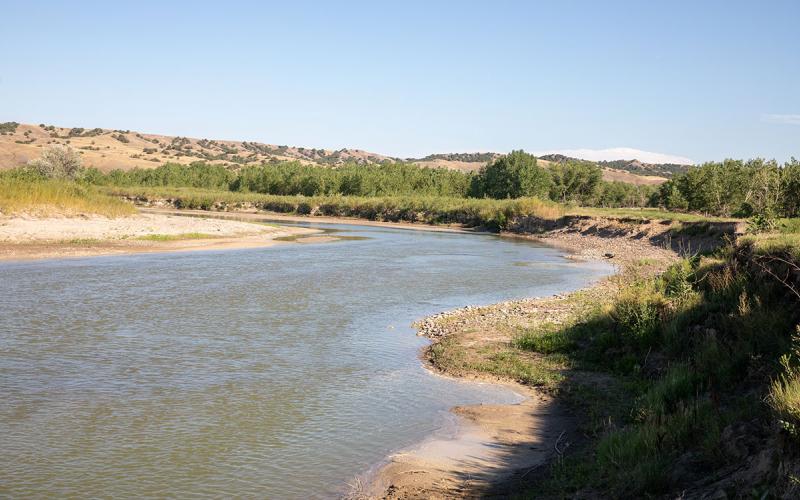
Water Rights in a Time of Drought
During a drought, it is not surprising that the South Dakota Water Rights Program will see an increase in permit applications. In South Dakota, water is considered the property of the people of the state, and depending on your intended water use, a water right permit may be needed.
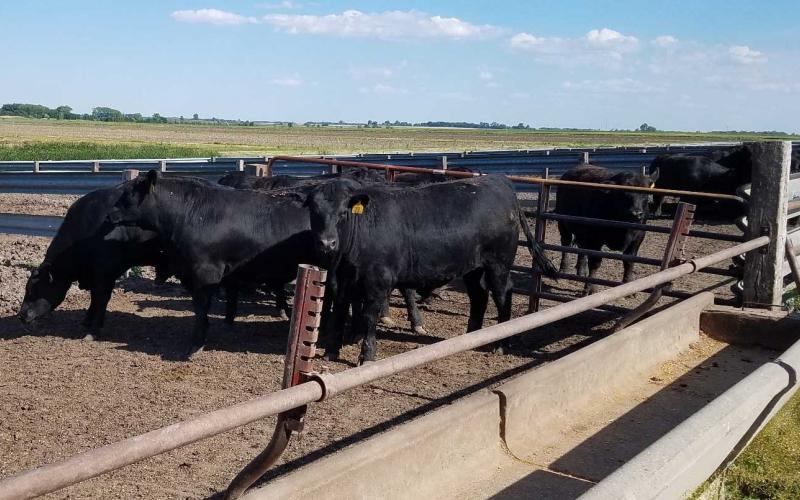
Bigger Cattle. Warmer Weather. What Can Go Wrong?
The disruptions in the beef processing sector caused by COVID-19 continue to interfere with the orderly marketing of finished cattle. While we all hope that the situation is resolved quickly, the reality is that because the shipment of so many harvest-ready cattle has been delayed, there will be increased numbers of heavier cattle on feed for the foreseeable future.
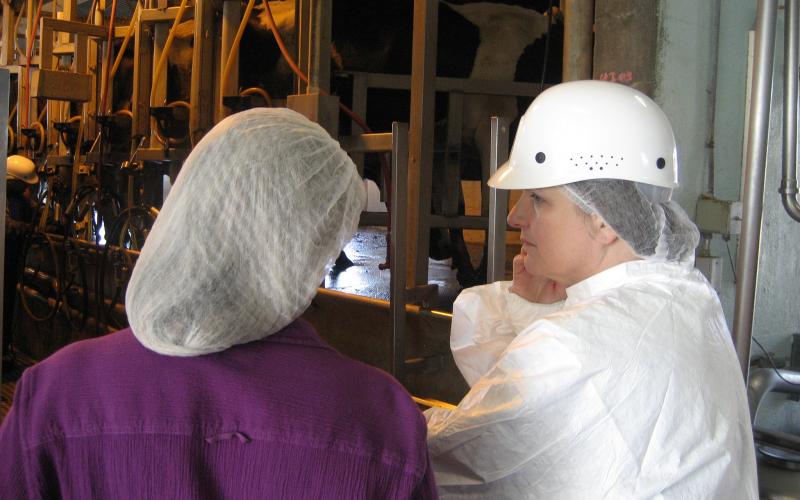
Challenges of Employee Turnover: Product quality and consistency
High employee turnover can lead to inconsistent animal production or potentially lower quality products, both meat and milk. How is this possible? Is it because cattle get accustomed to routines and the people who perform tasks in their home environment?