Search
Considerations for Cull Cows
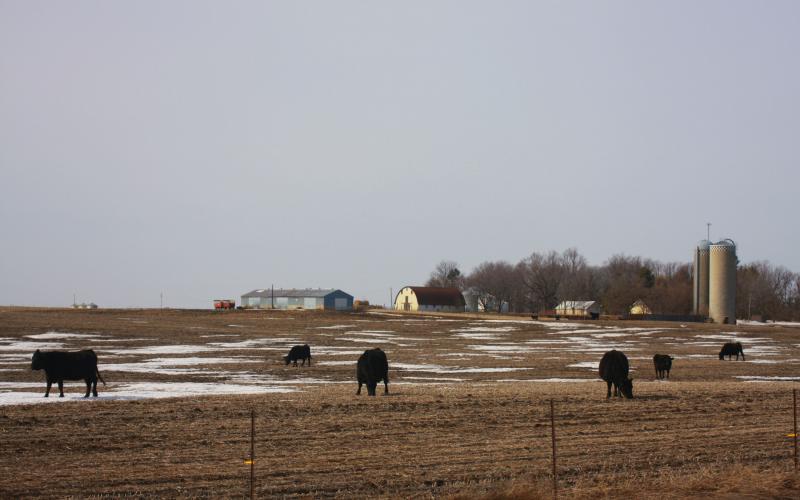
The last year was difficult to say the least, from a wet, muddy spring and late planting to an early, wet fall and difficult harvest. Unfortunately, for cow calf producers, the repercussions were seen during pregnancy detection this year, as the number of slaughter cows within the state were abundant due to open cows.
Preparing for Calving Season
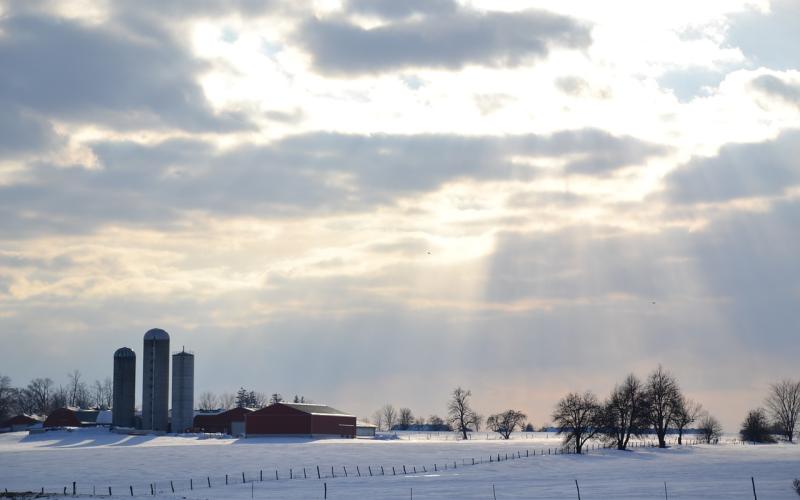
Whether the calving season will start soon or is a few months away, it’s never a bad time to start preparing for the arrival of fresh calves on the ground. Here are some things to consider prior to the beginning of calving.

How to Make a Safe Nut Butter
During the last few years the popularity of plant-based butters has increased considerably. These plant-based nut butters have proven to be good sources of protein, fiber, essential fatty acids and other nutrients and may include soy butter, almond butter, pistachio butter, cashew butter, sesame butter, and so on.

Building Your Farm to School Team
Putting together a farm to school team should include a core group of individuals and agencies dedicated to the farm to school mission. View a list of potential team members to help get your team started today!
Nutritional Needs Prior to Calving
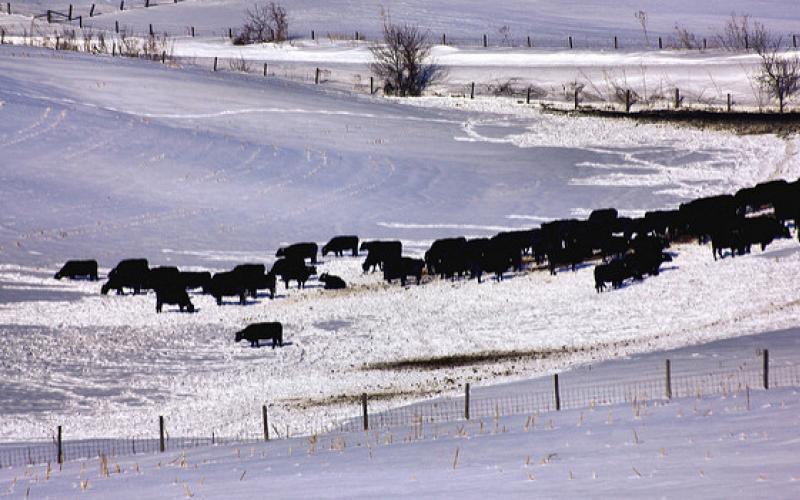
Nutrition during late gestation plays a large role on the future calf as well as the dam. It is during the last 60-90 days of gestation, or the pre-calving period, that impacts the calf’s survivability, long-term health and overall production.
Standing Corn Considerations
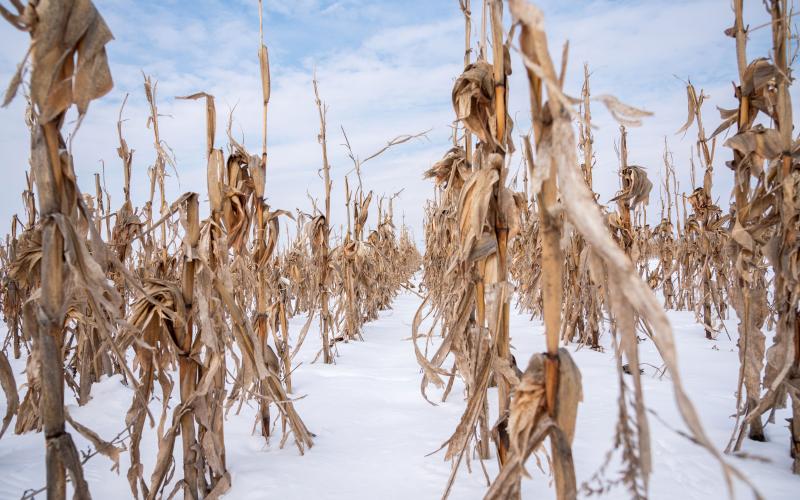
The January 2020 South Dakota Crop Progress Report indicated four percent of S.D. corn acres remain in the field. Given the record rainfall of 2019, current snow pack levels and the 3-to-6-month precipitation forecasts, farmers will likely be dealing with a wet spring in 2020, thus making the removal of those acres important but hard to accomplish.

Nursery Pig Performance Impacted by Total Dissolved Solids in Water
Because water quality can vary considerably between production sites, it is important to identify the qualities of water that impact the growth performance of nursery pigs.
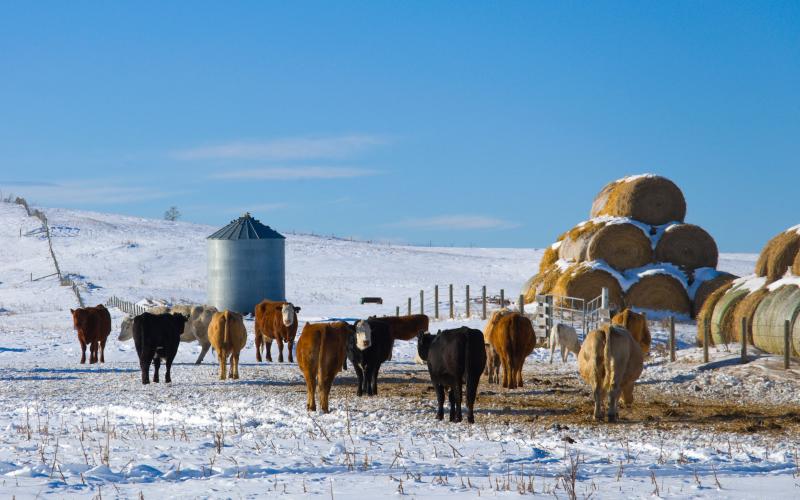
Bunch the Cow Herd
Reproduction is one of the biggest drivers of economic success. Cows stressed by cold, wind, snow, and mud will put energy resources into body condition maintenance and lactation prior to recycling.
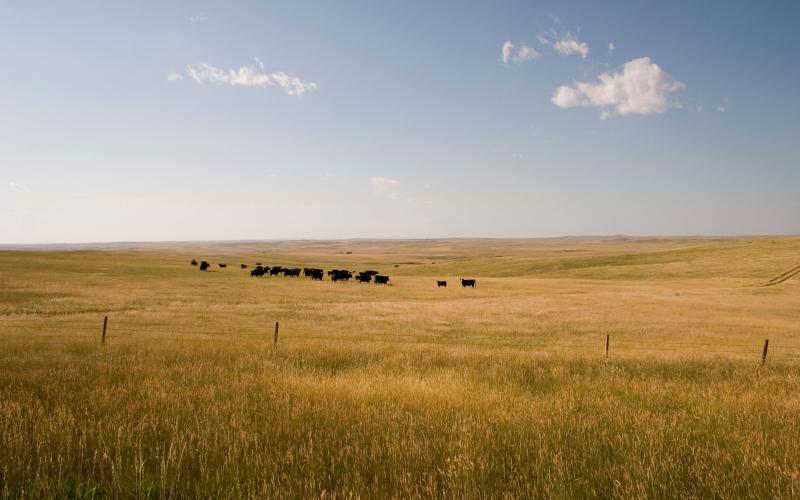
Rotational Grazing Improves Stocking Capacity and Ranch Profitability
Livestock stocking rate is considered as one of the most important decisions that ranchers can make, as heavy stocking rate causes grassland degradation and adversely impact the sustainable delivery of ecosystem services.
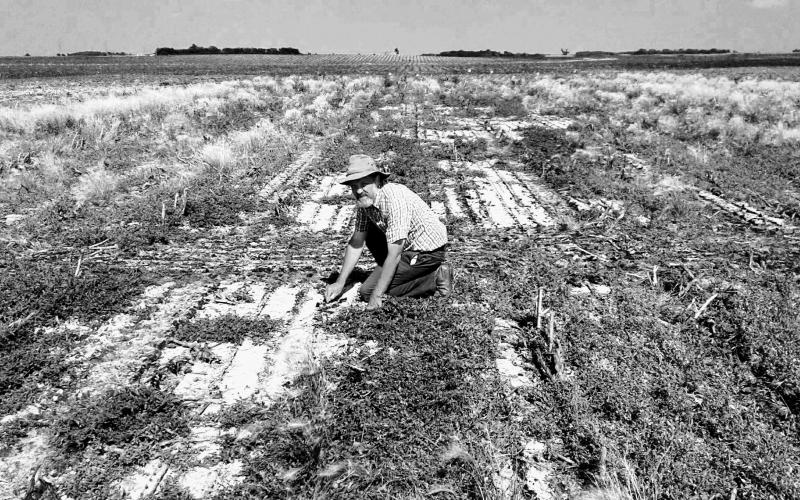
Perennial Solutions for Alkali Areas
Reclaiming marginal lands, especially those considered saline or sodic can be very challenging and may take many years to accomplish. The key to turning around salt or alkali areas in your fields, begins with getting a living root established in the affected area.