Search
Soil Testing for Vineyards in South Dakota
Not all soils are conducive to growing quality grapes, so prospective vineyard sites should be tested before a decision is made to plant grapes. Tests can identify soils that are either too high in pH, salts, or salinity, or that are “too rich” (too high in organic matter and nitrogen) for grapes. In addition, testing before planting allows for the incorporation of nutrients—such as phosphorus—that do not move easily through the soil to plant roots.
Penstemon
Penstemon grandiflorus and Penstemon augustfolius are both native to South Dakota.
Phlox
This week’s native perennials are both phloxes: Phlox divaricata (Wild Blue Phlox, or Sweet William) and Phlox pilosa (Downy or Prairie Phlox)
Is it Time to Reconsider Trace Mineral Levels in Pig Diets?
Growing pigs require trace minerals such as copper, iron, manganese and zinc for various biochemical functions, including cellular development and energy metabolism, which lead to optimal health and immunity.
Community Gardens
Community gardens, organized by SDSU Extension staff and community volunteers, bring fresh produce to many rural communities and designated food deserts across the state.
Organic Herbicides
Many gardeners across the state of South Dakota desire to have weed-free gardens, yards and flowerbeds. Many homeowners do not want to use inorganic herbicides due to their potential health effects.
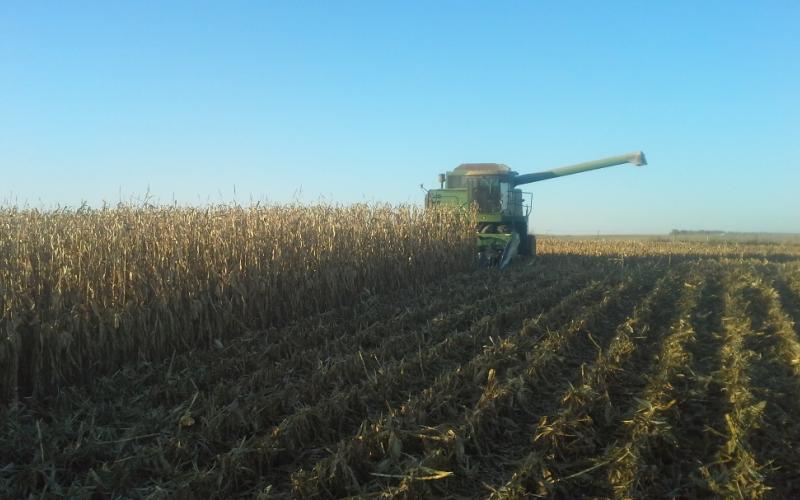
Adding Value to Corn Through Cattle
What is the “best” way to evaluate profitability of an enterprise, more specifically feeding cattle?
Viola pedatifida
An early blooming native perennial, Viola pedatifida – commonly known as prairie or larkspur violet, is a low-profile addition to your garden.
Wild Columbine
Red columbine, Aquilegia canadensis, is this week’s native perennial to know. Also known as wild columbine, this plant has striking red flowers that droop from the ends of tall stalks.
Spider Mites on Garden Phlox
During warm, dry weather, spider mites are a common pest of phlox, causing speckling, bronzing, and yellowing on leaves due to feeding behavior. Learn how to identify and manage infestations before they impact your garden.