Search

Grape Production Resources
Quality wine grapes can be grown in South Dakota with careful attention to growing site, cultivar selection and production techniques. View a collection of resources for getting started today.
Agritourism
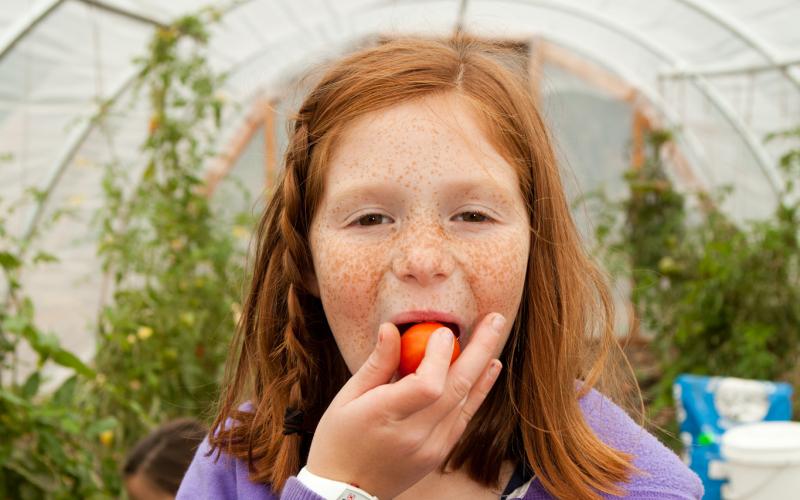
When a producer has decided to sell a product directly from the farm, entertainment or tourism-based activities could be incorporated to create larger appeal. Agritourism could add value to the farm visit though education, entertainment, outdoor recreation, dining, relaxation or other avenues, potentially drawing more customers in.
Community Gardens: Garden Rules - Operational Guidelines
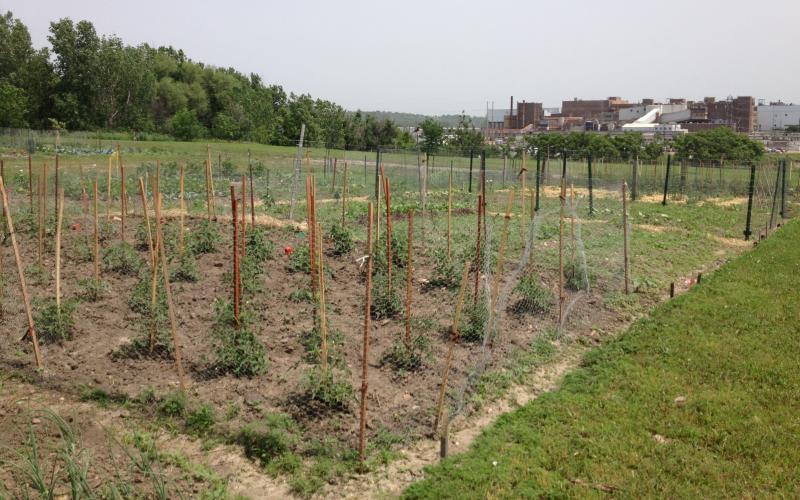
When developing garden rules or participate guidelines it is important to address activities related to the operations of the garden. Clearly state that gardeners are expected to maintain their plot for the entire season and list the dates of the season during which they are responsible.
CSA Benefits: A Consumer Perspective
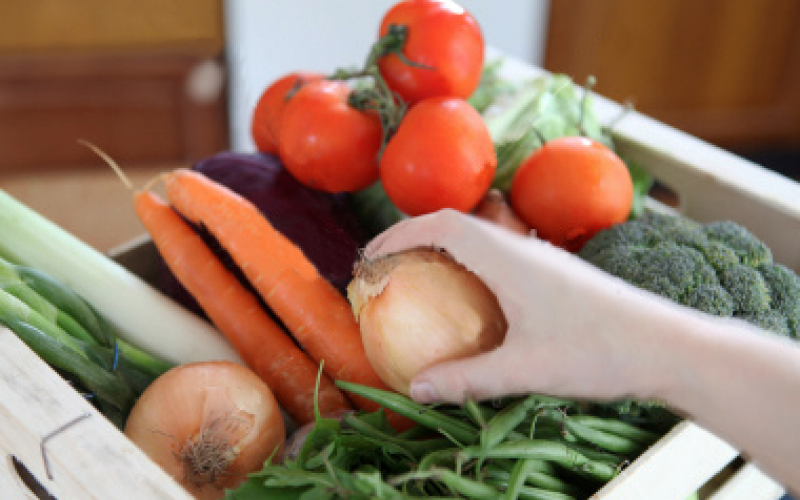
Community Supported Agriculture (CSA) programs can offer a wide variety of benefits to consumers.

Requirements for Food Entrepreneurs Selling Food in South Dakota
Throughout the country and in the state of South Dakota, people are showing more interest in selling their own food products and starting their own business
Water Bathing vs. Pressure Canning
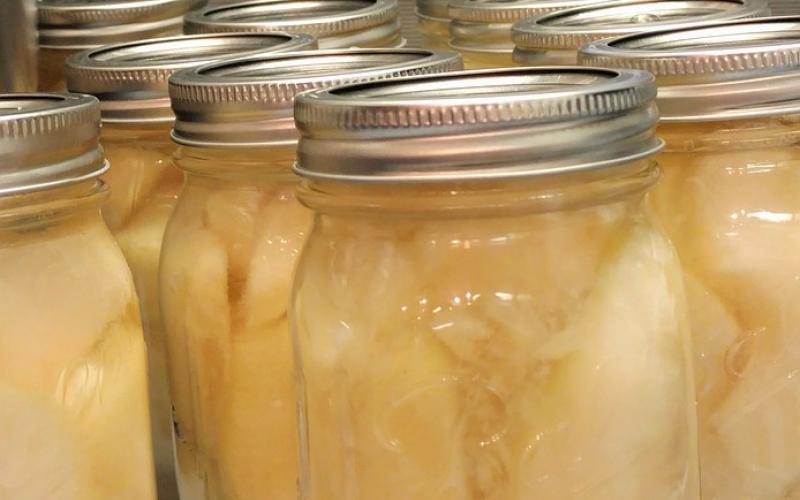
Water bathing and pressure canning are two common ways to preserve foods by canning. These techniques use heat processing to preserve foods, and which technique you use depends on the acidity of the food.

Testing Dial Pressure Canner Gauges
For accuracy before use, it is recommended that dial gauges get tested each year. Gauges that read high cause under-processing and may result in unsafe food.
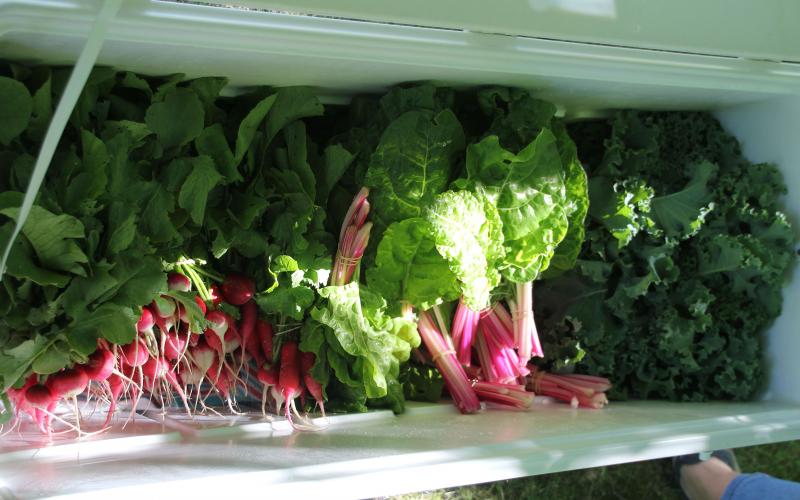
Container Gardens and CSAs
Just about all of us have room to grow a few vegetables, as long as you have some space where they can get good sun exposure for at least six hours a day. You don’t even have to have a garden!
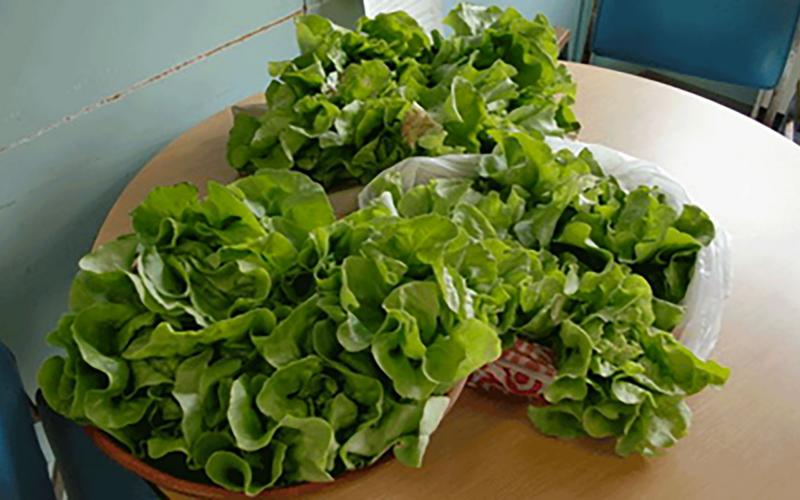
Best Practices When Harvesting Leafy Greens for Market and Home
The harvesting of leafy greens to maintain quality and safety focuses on the key risk factors from the time harvest begins to selling at market. The food safety risk factors involve temperature, time, water, worker hygienic practices, and food contact surfaces.
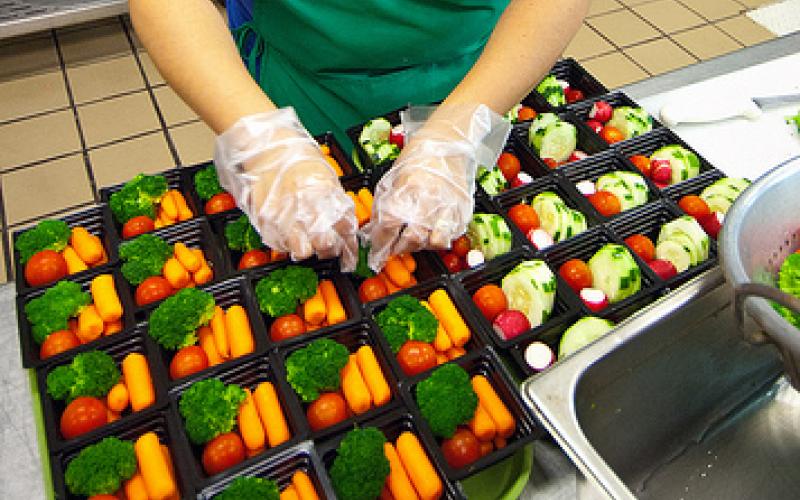
Disposable Gloves: Guidelines for Food Handlers
Improper handling of food and poor personal hygiene by food handlers are leading causes of foodborne illness. Disposable gloves do not take the place of good hygiene and proper hand-washing.