Search
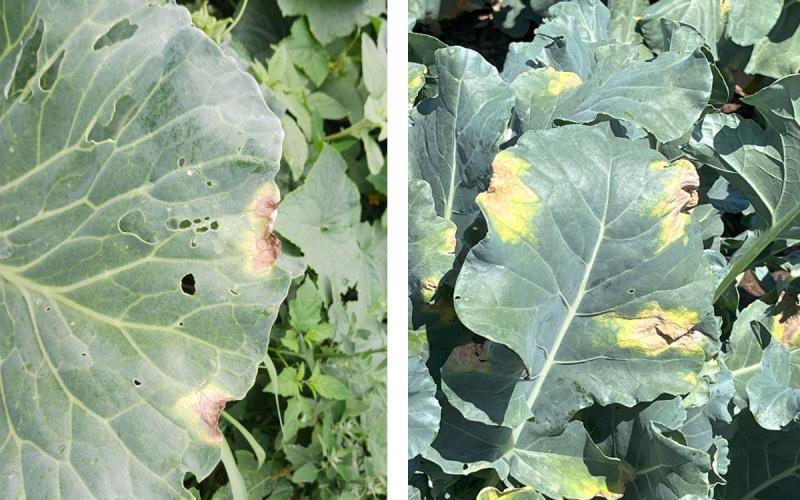
Black Rot of Brassica Crops
Black rot is an uncommon, but devastating bacterial disease in South Dakota that can develop during extended periods of hot and wet weather, leading to rapid and widespread crop loss.
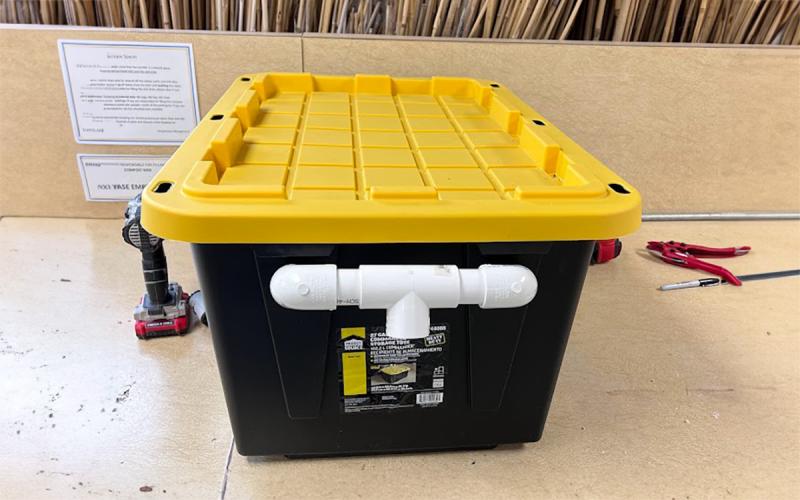
Insect Bioconversion: How to Compost With Black Soldier Flies
Much like composting, black soldier flies can be used in a rearing container to convert organic matter into nutrient-rich food, which can then be used in your garden. Learn how to construct a rearing container with this step-by-step guide!
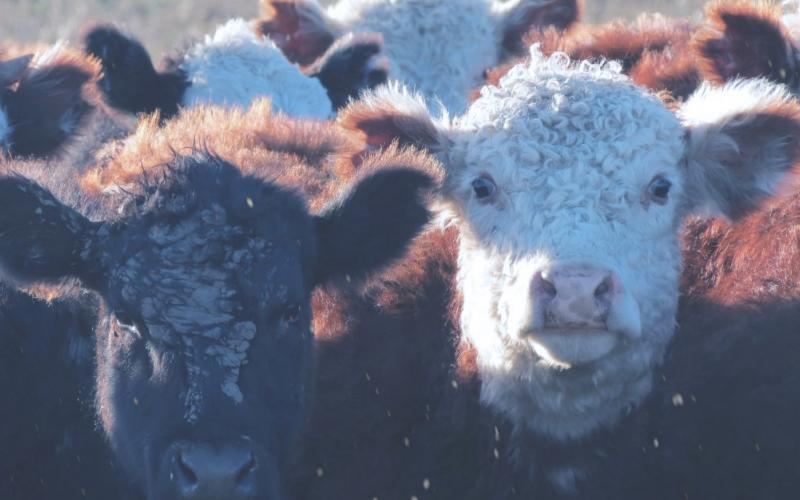
Does Cold Weather Contribute to Pneumonia in Calves?
Prolonged winter cold has some fairly obvious effects on cattle of all ages.

How To Get Fired by Your Constituents
For both business and community leaders, one thing is true – without customers, you don't have a job. Examine some common reasons for losing loyalty among community constituents.
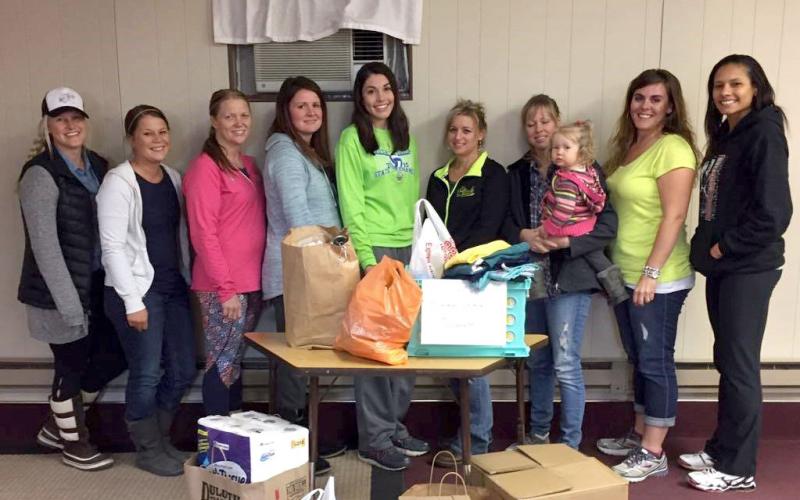
4-H Service Learning Project
Can you find a need in your community? Do you want to volunteer your time, resources and talents to find solutions? Service learning might be the perfect project for you!

Career Conversations: Exploring My Future in the 605
Career Conversations features interviews with South Dakota professionals inspiring teachers and youth to explore occupations at their own pace.
Testing Forages for Nitrates
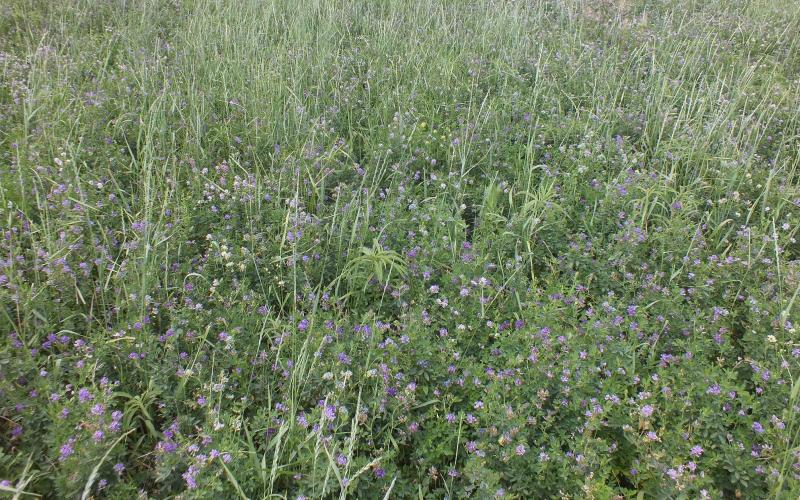
Free nitrate testing is available at various locations across the state. Nitrate testing strips are used to provide a semi-quantitative value of nitrate levels in forages. It allows producers to make decisions based on the presence or absence of nitrates and appropriate timing for cutting.

New Me, New Home.
After a series of life-changing strokes, Julie List made the bold decision to move into an accessible home. Learn how her journey transformed her into a voice for accessible home design.

Soil Carbon Cycle and Laboratory Measurements of Carbon Related to Soil Health
Carbon is one the most-important elements in agricultural soils. Take in-depth look at how carbon is understood, measured, and managed to benefit soil health in agricultural production.
Fall is a Good Time to Test Your Soil for SCN
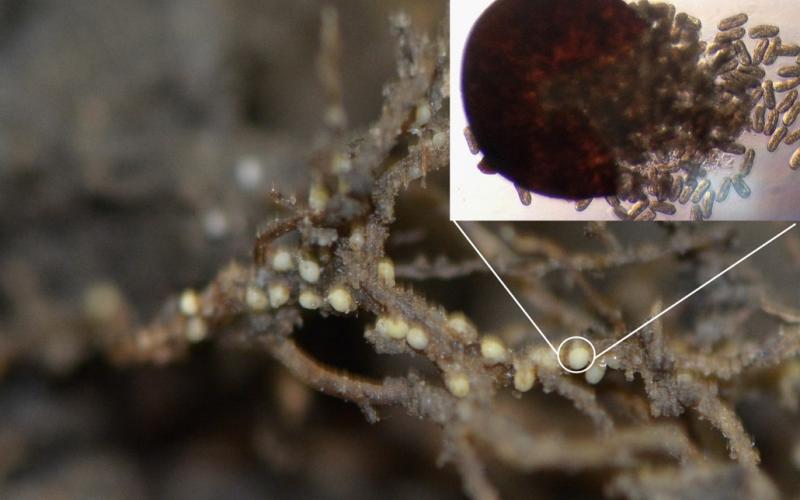
Is your yield monitor indicating low yielding areas in your soybean field? Soybean Cyst Nematode (SCN) could be the problem. Get to the root of the problem by testing your soil for the soybean cyst nematode. SCN management starts with a soil test to determine the presence or absence of this nematode in the soil. Absence may indicate either the SCN has not established in the field or could be present in non-detectable levels.