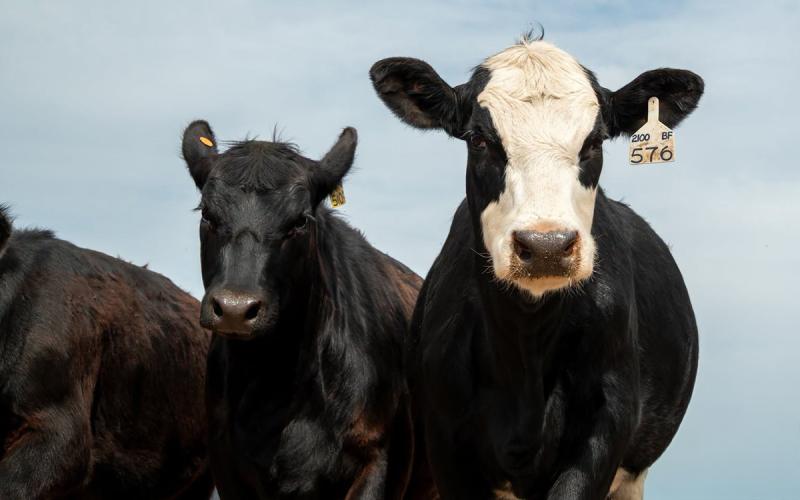
As weaning season approaches, it is important to remember that a successful vaccination program begins long before a needle ever enters a calf. During the fall weaning season, producers invest significant time and resources in protecting their cattle herd from respiratory and infectious diseases, yet improper vaccine handling can reduce vaccine effectiveness and compromise herd health. Understanding how to correctly store, transport, mix, and administer vaccines is critical to maximizing immunity and protecting the performance of weaned calves.
Herd history, vaccine type, method of administration, age of animal, and many other factors need to be considered when producers are developing a vaccination program. Because of this, producers should also ensure they are working with their herd veterinarian to properly select the necessary vaccines for their operation.
Vaccine Types
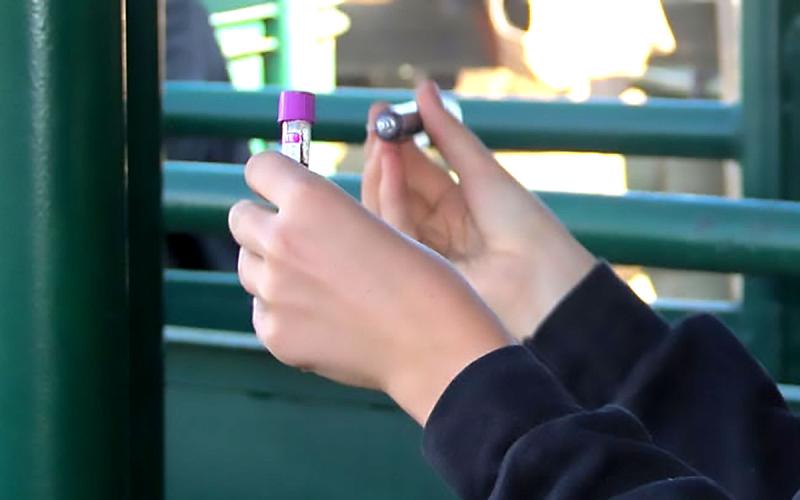
Inactivated (killed) vaccines contain bacteria or viruses that have been inactivated by heat or chemicals. This means that the microbe has been made unable to grow or reproduce, but the microbe’s structure remains sufficient enough to be able to be recognized by the animal’s immune system.
Subunit vaccines and toxoids are examples of inactivated vaccines. Subunit vaccines contain only parts of a bacteria or virus of interest, while toxoids are vaccines created from inactivated toxins released from disease-causing bacteria.
Another type of vaccines that producers may need to use are modified-live virus (MLV) vaccines. These vaccines contain whole germs that have been altered so that while they can multiply within the animal’s body, they cannot cause disease.
A valuable resource on livestock vaccines can be found in this Cattle HQ podcast.
Management Considerations
Selecting the Right Vaccines
Starting with the proper vaccines for the cattle you are vaccinating is of utmost importance to successfully protect from diseases. Producers should ensure they are following the recommendations of their veterinarian to decide what vaccines should be used. Expiration dates should be checked to ensure all of the product can be used before expiration. Only purchase the number of doses you plan to use to prevent wasting resources. For MLV vaccines, it may be beneficial to purchase smaller-dose vials instead of larger-dose vials to enable using the vaccine in a shorter time period.
Transporting and Storing Vaccines
Only purchase vaccines from reputable suppliers that have followed the vaccine’s recommended cold chain. Check recommended storage temperatures and use coolers for transportation to keep products cool and out of sunlight. In the heat, use ice packs to maintain temperature, and in the winter, prevent vaccines from freezing. Typically, the storage temperature for vaccines is 35°F to 45°F (2°C to 7°C) unless the product label specifies otherwise. Check your refrigerator’s temperature periodically to assure that it is working properly and is keeping the vaccines at the correct temperature.
Equipment and Syringes
Ensure the area you are working in is clean and organized. Equipment should be clean and rinsed. Do not use syringes that have been cleaned internally with soap or chemicals. If using reusable syringes, it is recommended to have a labeled syringe for each “type” of vaccine (killed vs. modified-live).
Product labels should be checked for dosage and route of administration (subcutaneous or intramuscular). Based on the label, ensure you are using the correct size and length of needle. Prior to working cattle, remember to purchase an adequate number of needles and plan on replacing the needle at least every 10 head of cattle.
While Processing
Protect vaccines from extreme temperatures and sunlight when processing cattle. Only mix enough vaccine for the number of cattle that will be processed within 30 to 60 minutes. If using MLV vaccines, only rehydrate the vials one at a time or as they are needed. Use a clean transfer needle and use only the diluent supplied by the manufacturer to rehydrate the vaccine. Always use a brand-new needle to draw up the vaccine into the syringe. Used needles should NEVER enter a bottle. When using needle-free injection systems, or syringes that draw doses from a tube attached to the vaccine bottle, care should be taken to assure the bottle and tubing stay cool and shaded from sunlight.
When Finished
Any mixed MLV vaccines that were not used should be discarded, as they are only viable for about an hour after reconstitution. Discard any partial bottles of inactivated vaccine that have been contaminated by dirty needles. Return unmixed MLV and unused inactivated vaccines to proper storage as soon as possible. Properly clean syringes, transfer needles, and tubing. Make sure to rinse with distilled, boiling water inside and out. Follow the manufacturer’s directions on proper cleaning and maintenance of needle-free injection systems. Burn empty vaccine bottles or follow label directions for disposal of containers and needles.
Make certain that records are kept from processing. Records should include animal IDs, date, processes performed, product names and serial numbers, dose and route of administration, and withdrawal dates. Beef Quality Assurance recommendations are to keep all herd-health records for at least two years from the date of transfer or sale of cattle. Good records are critical to food safety for products that have withdrawal times and future herd health decisions.
The Bottom Line
The success of any livestock vaccination program depends on the effectiveness of the vaccine used and the management of those vaccines. As discussed, vaccines become ineffective if proper storage and handling recommendations are not followed. Thus, if these recommendations are not followed, producers may waste money and increase the risk of livestock illness and death loss that might otherwise have been prevented.