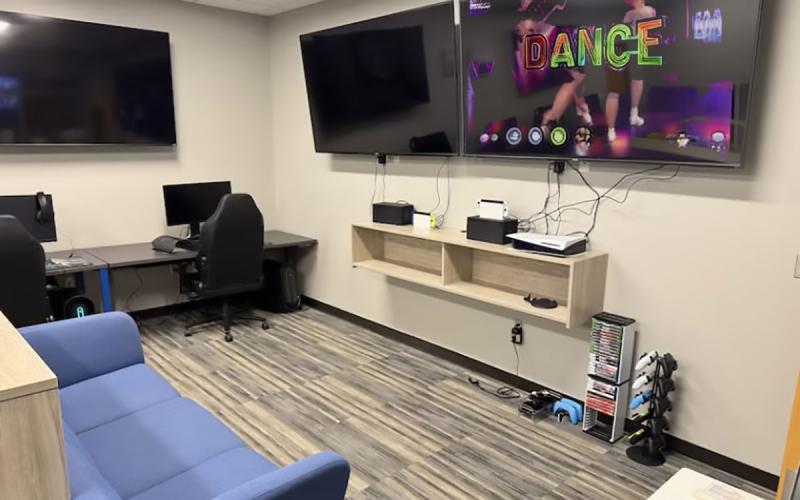
Active video games, sometimes called exergames, are often marketed as a way to turn screen time into physical activity time. Unlike traditional video games that are played while sitting, active video games require players to move their bodies as they play. Kids may swing their arms, jump, dance, or shift their weight while playing a virtual sport, following a dance routine, or navigating digital environments. With screens playing such a large role in children’s daily lives, many parents and caregivers wonder if these active video games are a healthy option. Are these games actually beneficial? Do they truly count as physical activity for kids?
The answer is yes. Active video games can be a good option for increasing activity time in youth, but they also have limitations. Research shows that active video games use more energy and increase heart rate more than sedentary screen time or traditional handheld controller games. This means kids are moving more and expending more energy than they would while sitting on the couch with a standard video game or watching television.
Most active video games typically reach light to moderate intensity levels of physical activity. However, they do not always reach the recommended moderate to vigorous physical activity level that children need for optimal health. Current guidelines recommend that children and adolescents get at least 60 minutes of moderate to vigorous physical activity each day. While active video games can help contribute to this daily goal, they usually should not be relied on as the primary source of activity.
It is best to think of active video games as one tool to include in a larger toolbox of ways to keep kids active. They can add variety and excitement, but they should not replace outdoor play, sports, or other opportunities for free movement and social interaction. Running, climbing, biking, playing tag, and participating in team activities provide benefits that active video games cannot fully replicate.
Considerations for Active Video Games
When active video games can be useful.
Active video games can be especially helpful in certain situations and for certain children.
- Children and teens who resist traditional exercise may be more willing to move when activity is presented in a game-like format.
- Children and teens who do not enjoy organized sports may find active video games to be a less intimidating way to be physically active.
- Active video games can be a helpful option on bad weather days or when outdoor access is limited because of safety, space, or location.
- These games can be used for short brain breaks from homework or studying, helping kids re-energize and refocus.
- May appeal to kids who are already interested in video games and serve as a stepping stone toward other types of movement and physical activity.
What are the limitations?
While active video games have benefits, it is important to understand their limitations.
- They are usually lower intensity than the recommended 60 minutes of daily moderate to vigorous physical activity.
- Active video games still add to total daily screen time, which should be balanced with the American Academy of Pediatrics screen time recommendations.
- There can be a novelty effect, meaning excitement and engagement may decline after a few weeks and children may lose interest.
- They are not a substitute for traditional play, outdoor activity, or experiences that involve real world social interaction.
Tips to make active video games count.
If families choose to include active video games, there are ways to maximize their benefits.
- Use active video games to replace sedentary screen time, not active play time. Active gaming should not take the place of outdoor play or sports.
- Encourage youth to fully engage in the game and keep moving the entire time they are playing.
- Choose games that require full body movements rather than just arm or upper body motions.
- Play as a family to model active behavior and make movement more enjoyable.
- Set time limits and encourage breaks, just as you would with other types of screen use.
Find the Right Balance
Active video games can play a role in helping kids move more, especially when other options are limited. They can increase heart rate, reduce sedentary time, and provide a fun way to be active. However, they work best when used as a supplement, or in addition to, other moderate to vigorous physical activities.
Encouraging a mixture of movement throughout the day helps youth meet daily physical activity guidelines, build physical skills, and develop lifelong habits of being active. Active video games can be part of that mix when used thoughtfully and in balance with other forms of movement.
References
- Moller, A. C., Sousa, C. V., Lee, K. J., Alon, D., & Lu, A. S. (2023). Active Video Game Interventions Targeting Physical Activity Behaviors: Systematic Review and Meta-analysis. Journal of medical Internet research, 25, e45243.
- Biddiss E, Irwin J. Active Video Games to Promote Physical Activity in Children and Youth: A Systematic Review. Arch Pediatr Adolesc Med. 2010;164(7):664–672. doi:10.1001/archpediatrics.2010.104
- American Academy of Pediatrics. (2025, May 22). Screen time guidelines.