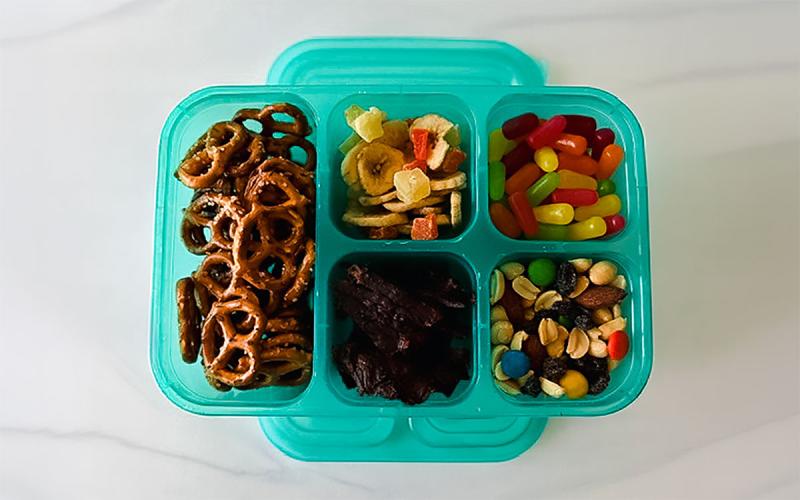
Just as you did when you selected full-time care or after school care, you will want to consider various elements of summer care for your school-aged kids.
Enriching summer programs are available through many types of settings, enabling children to have fun and explore at their own pace. Be sure to include your child in the assessment process so that you both will be satisfied with the final arrangement selected.
Options to Consider
Here are some options for summer care to start discussion:
- Family Childcare or Center – utilize current care provider and less adjustment.
- Summer Buddy/Nanny – hire a mature teenager or college student to come to your home to supervise and transport to activities.
- Traditional Summer Camps – variety of activities and great for kids who like to do different things and are active (4-H, YMCA, Park, and Recreation)
- Educational or Specialty Camps – can be academically focused such as science (nature based) or specialty such as dance or basketball camps.
Questions to Help You Decide
Use these questions to guide discussion with your child and select a program that will be a match for their needs and overall development:
- What are their favorite activities, hobbies, or interests?
- What previous summer care program experiences did they enjoy most?
- What summer care environment fits for their personality and socialization skills?
Signs Your Child May Be Ready to Be Home Alone
As children grow, moments of increased independence naturally appear—but one milestone can feel especially big for families: deciding whether a child is ready to stay home alone. There is no universal “right age.” Instead, readiness depends on maturity, safety skills, emotional readiness, and your family's unique needs.
Every child develops at their own pace, but the following indicators are helpful starting points:
1. They Show Good Judgment
A child who is ready to be home alone can:
- Think through problems calmly.
- Follow rules even when adults are not watching.
- Tell you what they would do in common safety scenarios.
2. They Manage Responsibilities Well
You might notice they can:
- Complete chores without reminders.
- Keep track of belongings.
- Follow household routines.
3. They Are Comfortable Being Alone
Emotionally ready children:
- Do not panic easily.
- Can manage boredom.
- Feel confident but not reckless.
4. They Understand Safety Basics
Before staying home alone, children should know:
- How to call a trusted adult.
- What to do in case of fire, severe weather, or power outages.
- To never open the door for strangers.
- What appliances or tools are off‑limits.
Questions to Help You Decide
Ask your child—and yourself—these questions to guide the decision:
- How do they feel about being home alone? Nervous? Excited? Unsure?
- Have they had short practice moments already? Even 10–15 minutes at a time builds confidence.
- How do they manage conflicts or unexpected changes?
- Do they follow established family rules? No shortcuts when adults are gone.
- How safe is your home and neighborhood? Is there access to trusted neighbors?
Deciding if a child is ready to stay home alone is a thoughtful, child‑specific process. With preparation, communication, and gradual independence, families can help children develop confidence and responsibility while ensuring their safety and wellbeing.
If your children are spending some time at home alone this summer, it is worthwhile to begin preparing now, from creating a safety plan to doing a trial run.
Hiring a Nanny or Summer Buddy
Kids still need structure and educational opportunities to keep them developing and not stifle their current academic progress. If you do hire someone to come help with your children and transport them to activities, consider the following educational opportunities to keep them active and engaged.
Use Local Libraries as a Summer Learning Hub
Libraries are free, flexible, and filled with built‑in motivation systems.
- Summer reading challenges.
- Teen volunteer clubs.
- Makerspace access (robotics, 3D printing, coding).
Create Simple, Independent Learning Routines
Short, daily habits keep academic skills sharp without feeling like “school.”
- 20–30 minutes of reading.
- Online learning time (PBS Kids, National Geographic Kids, Prodigy Math).
- Creative time (drawing, building, cooking with supervision).
Try Theme Days
- STEM Monday – a science experiment or building challenge.
- Try‑It Tuesday – sample a new skill, recipe, or craft.
- Water Wednesday – sprinklers, water balloons, splash pads, the pool.
- Thinking Thursday – puzzles, brain teasers, Lego challenges.
- Field Trip Friday – a park, museum, or nature walk.
Choose Activities That Build Life Skills
Summer is perfect for teaching independence.
- Simple meal prep (sandwiches, snacks, using measuring tools).
- Laundry and household routines.
- Gardening or plant care.
- Learning to use public transportation (if available).
Encourage Outdoor and Nature‑Based Learning
Outdoor play builds creativity, critical thinking, and physical health.
- Nature scavenger hunts.
- Bug or plant observation journals.
- Biking or walking challenges.
Whatever option you and your child decide, make sure it is fun and promotes self-expression and integration of educational opportunities.