Plants or Crops
All Plants or Crops Content
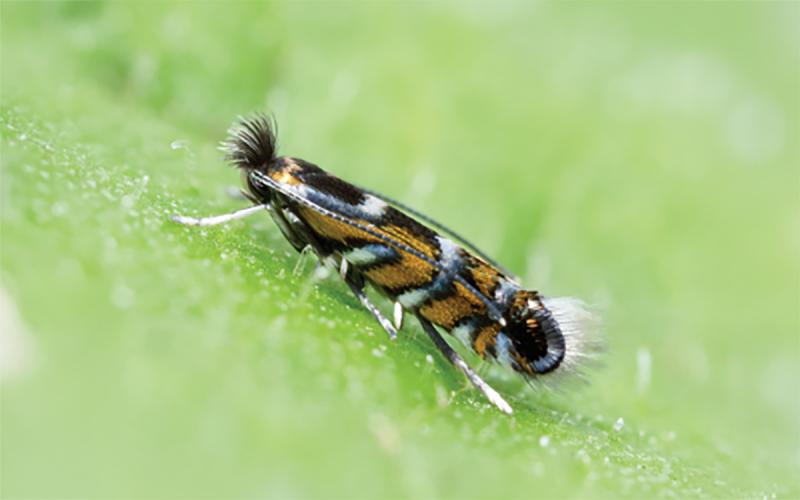
Monitor Soybean for Soybean Tentiform Leafminer
In 2022, researchers detected soybean tentiform leafminer in McCook, Minnehaha, and Moody counties in South Dakota. The extent of the distribution of this pest in South Dakota is unknown and is currently being investigated.
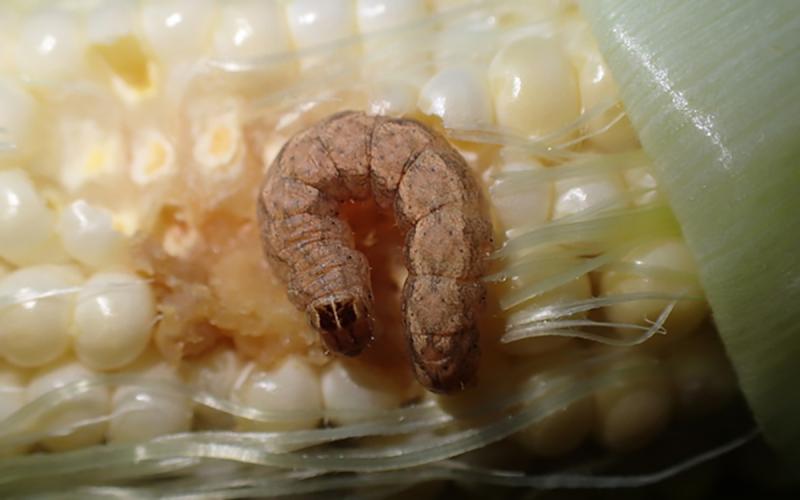
Western Bean Cutworms Detected in South Dakota Corn
Western bean cutworm caterpillars have been reported in South Dakota corn. This pest can cause yield loss by feeding on the tassels, silks, and ears. In addition, ear feeding activities increase the likelihood of secondary diseases and mold growth on the ear.
Other Crops
South Dakota’s fertile landscape is home to a variety of crops.
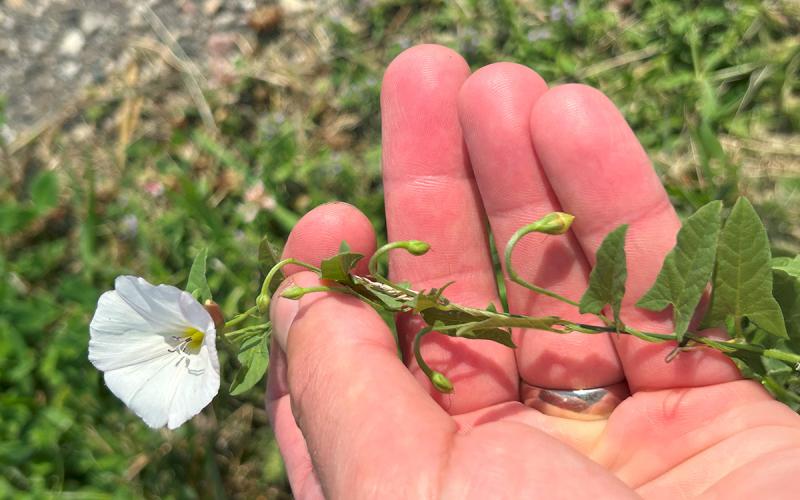
In a Bind With Field Bindweed?
It’s August and field bindweed, one of our most-persistent perennial weeds, is flowering. Although field bindweed is not statewide noxious, it’s locally noxious in Bennett, Bon Homme, Clarke, Lake, Stanley, and Yankton counties.
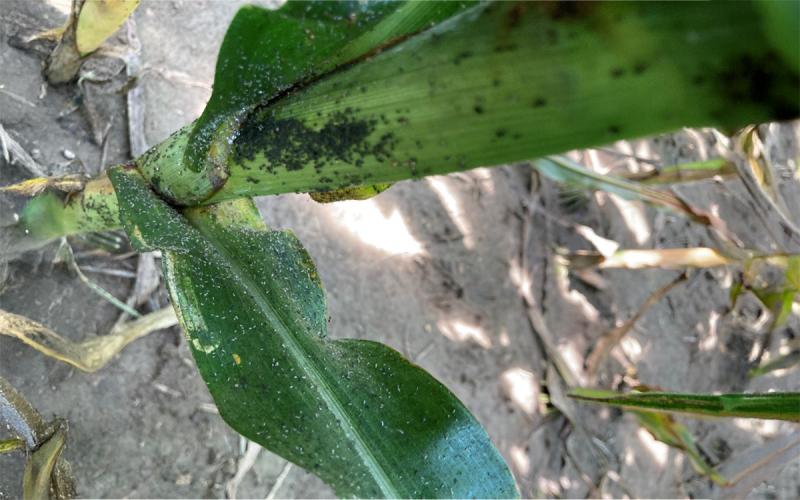
Aphids Infesting Corn in South Dakota
Aphid populations are taking off in some southeastern South Dakota corn fields. The two aphid species that are commonly observed in corn include the corn leaf aphid and the bird cherry oat aphid.
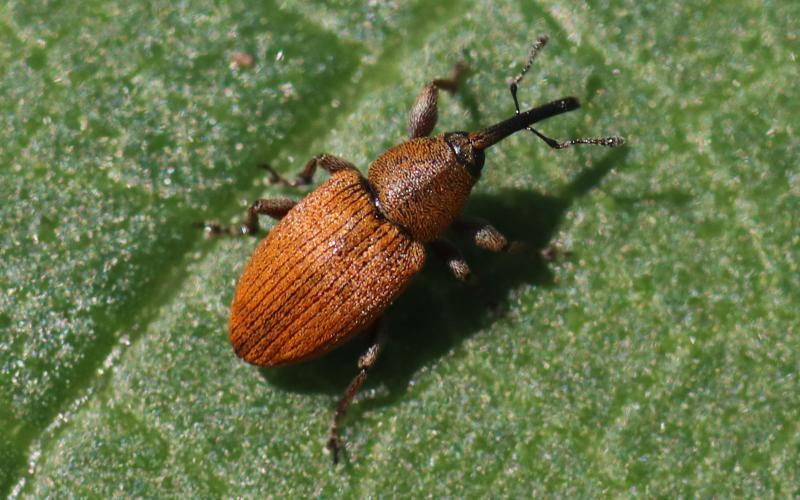
Is it Time to Spray Red Sunflower Seed Weevils?
Red sunflower seed weevil adult activity is well underway on sunflowers in South Dakota. Even though the red sunflower seed weevil numbers are down, we are still observing populations in South Dakota that are above threshold.
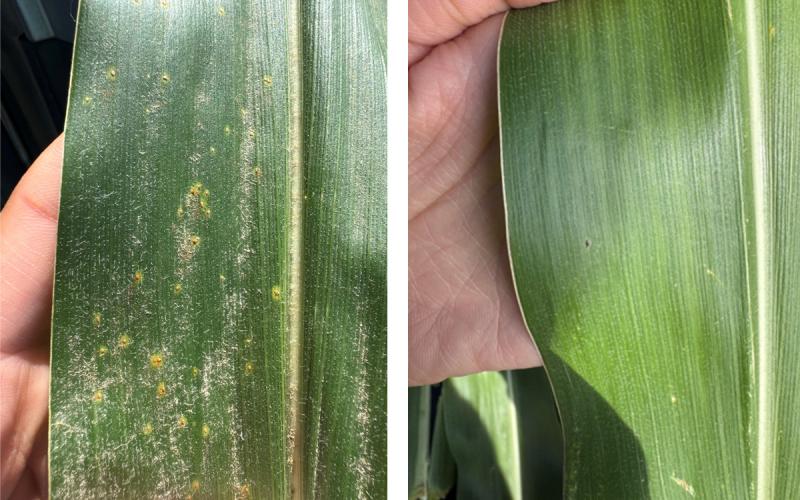
Corn Diseases in South Dakota Update
Several South Dakota counties have confirmed positive cases of Southern Rust and Tar Spot this growing season. See our latest recommendations for dealing with these diseases before they become a problem.
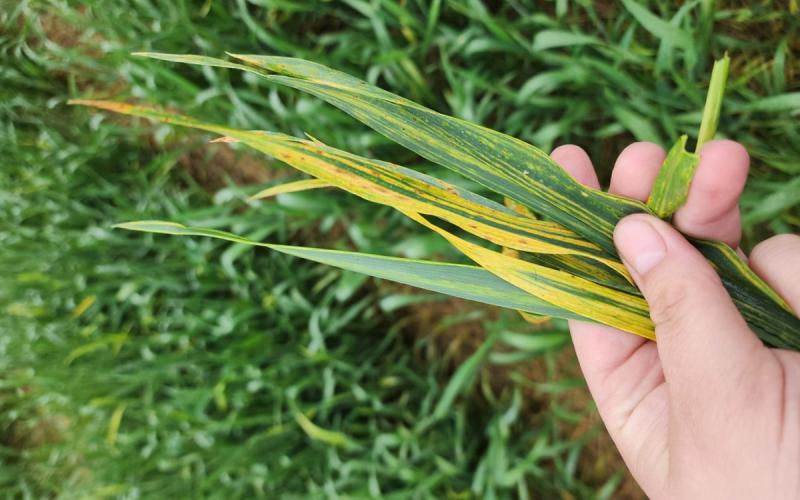
Wheat Streak Mosaic Virus Complex: Breaking the Green Bridge
As wheat harvest proceeds, it won’t be long until winter wheat planting is underway in South Dakota. To effectively reduce wheat streak mosaic virus, it is important to manage the green bridge effect to slow spread of disease in newly emerging wheat fields.

Volunteer Wheat and Kochia Management With Herbicides Will Likely Require Two Passes
Wheat curl mites, which carry wheat streak mosaic virus, use volunteer wheat and grass weeds as secondary hosts to infest recently planted winter wheat crops. Therefore, effective management of these plants before winter wheat planting is critical.
Weed Management After Wheat Harvest
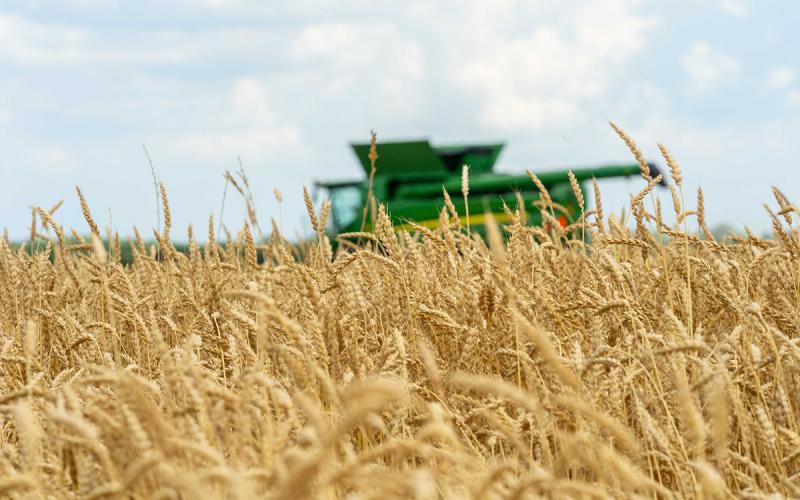
Most of the winter wheat has been harvested in South Dakota and spring wheat harvest is underway. While the growing season is over for the wheat, post-harvest weed management is important to minimize the amount of weeds that are present in the spring