Plants or Crops
All Plants or Crops Content
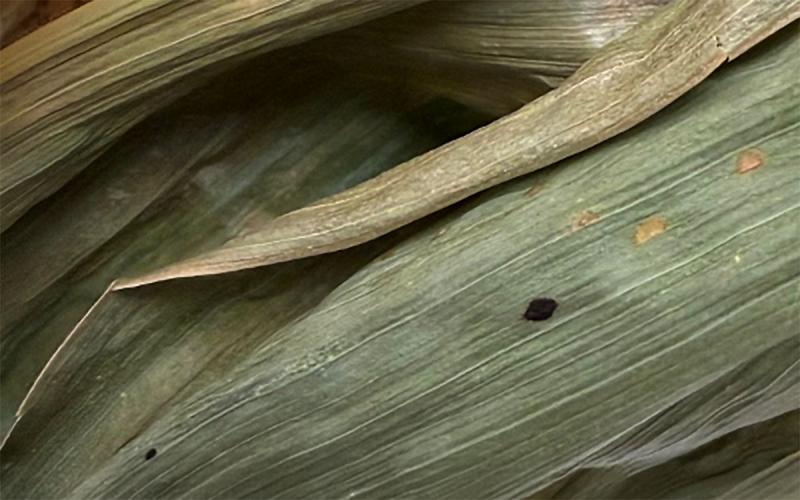
Tar Spot Confirmed in South Dakota
Trace amounts of tar spot were recently found in Yankton and Bon Homme counties and are thought to have originated from corn residue instead of windblown spores. This speaks to the importance of crop rotation in the management of this disease.

EPA Proposes a Decision to Approve Registration for Dicamba Labeling to Be Applied to Tolerant Soybean
Dicamba products previously labeled for overtop application to tolerant soybean are not registered for use during the 2025 growing season. However, the EPA has proposed to re-register these dicamba products for use in tolerant soybean starting in 2026.
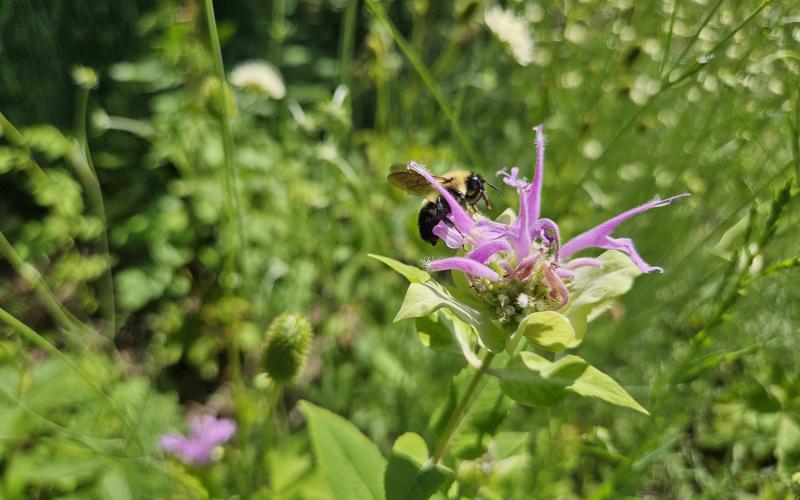
Managing Forests for Pollinators
Fact sheet on the importance of managing Black Hills forests for pollinators.
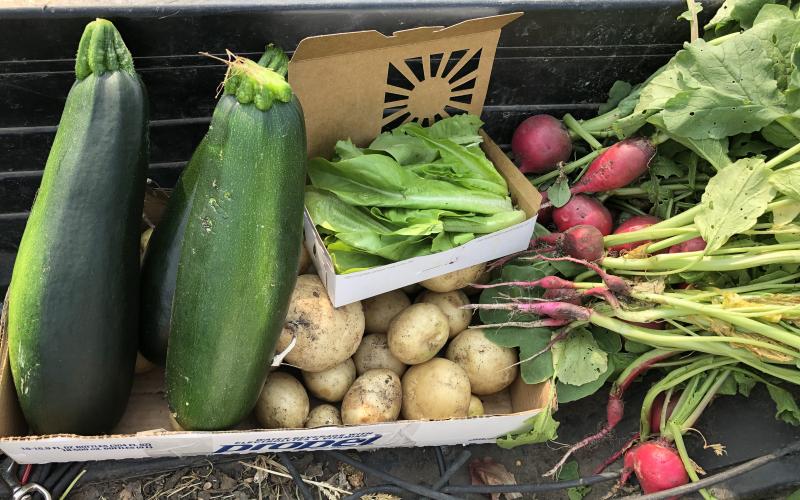
SDSU Extension to host weed management tour at Sisseton farm
July 30, 2025
South Dakota State University Extension is pleased to announce a field tour featuring Koeppe Family Fields on Aug. 5, 2025.
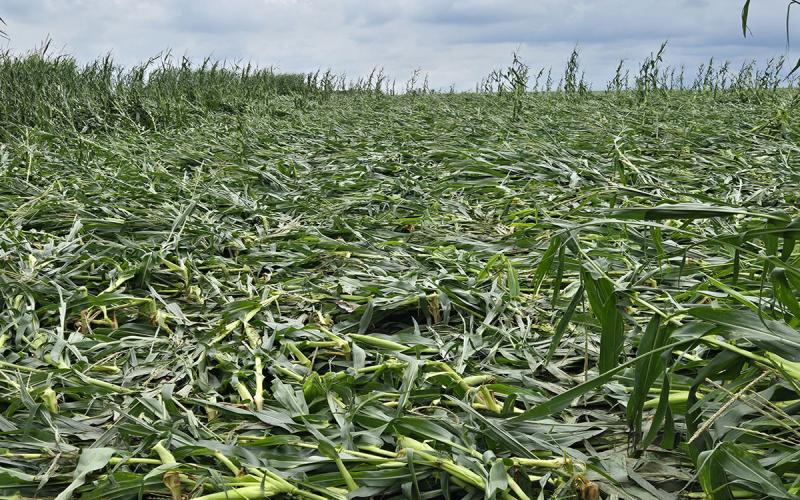
Wind Injury in Corn
In the aftermath of severe weather, levels of wind damage in corn can vary greatly from field to field. How plants recover largely depends on wind velocity and corn growth stage.
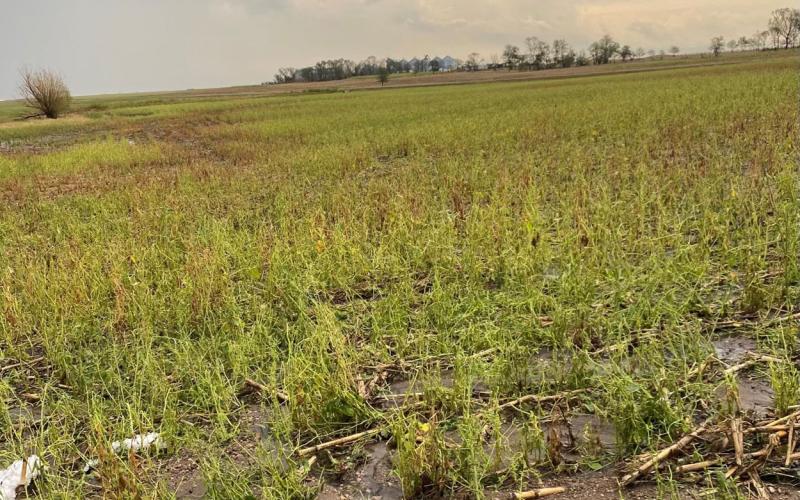
Making Decisions With Hail-Damaged Row Crops
Late-season hail damage can leave growers wondering what to do next. Before deciding what to do with your hail-damaged fields, take some time to consider a variety of management options.
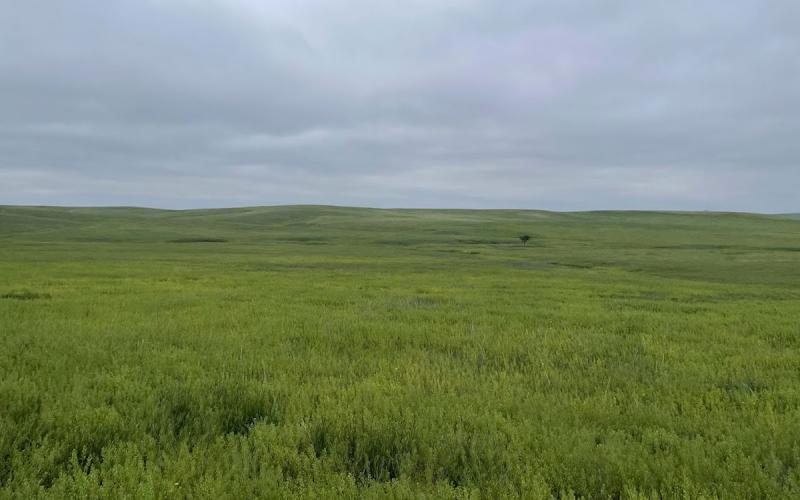
2025 Field Pennycress Management Considerations
Field pennycress prevalence on pastures has been observed to be in higher abundance this year in Western South Dakota. When consumed in certain quantities it can be toxic to livestock.

Powdery Mildew Presence in Your Garden: How to identify and prevent it
Powdery mildew is a common fungal disease that targets a wide range of hosts. It is important to identify its presence as soon as possible to slow its spread and prevent irreversible damage.
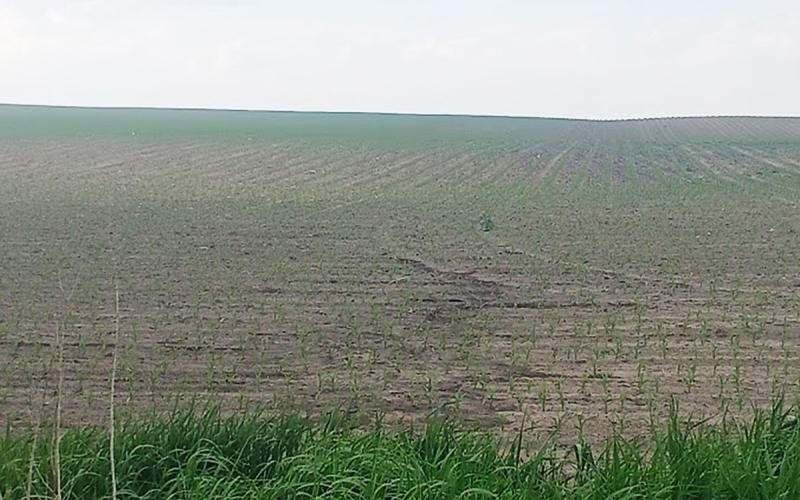
Soil Erosion Mitigation During Heavy Rainfall Events
Adopting soil health practices that minimize disturbance, increase surface cover and organic matter content, and keep roots growing in the soil can help to increase soil infiltration rates and reduce destruction of soil aggregates from heavy rain.
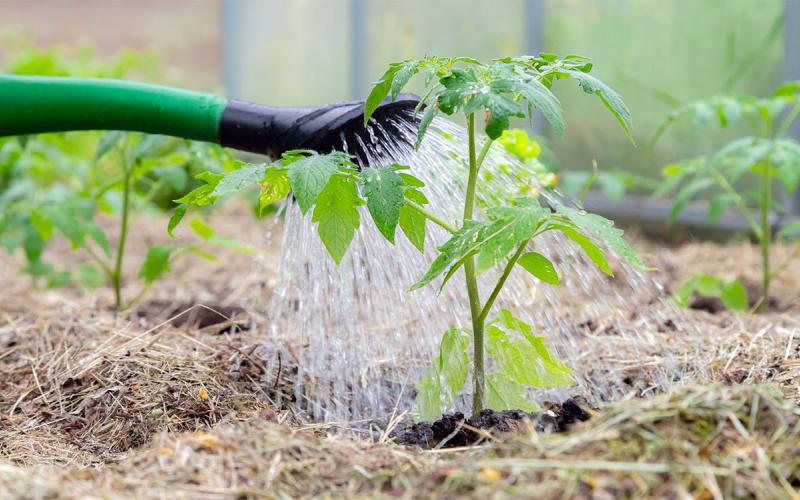
Microbial Water Testing for South Dakota Producers
Microbial water testing is important for produce growers to know the quality of their water to help ensure the safety of the fruits, vegetables, and herbs they produce.