Plants or Crops
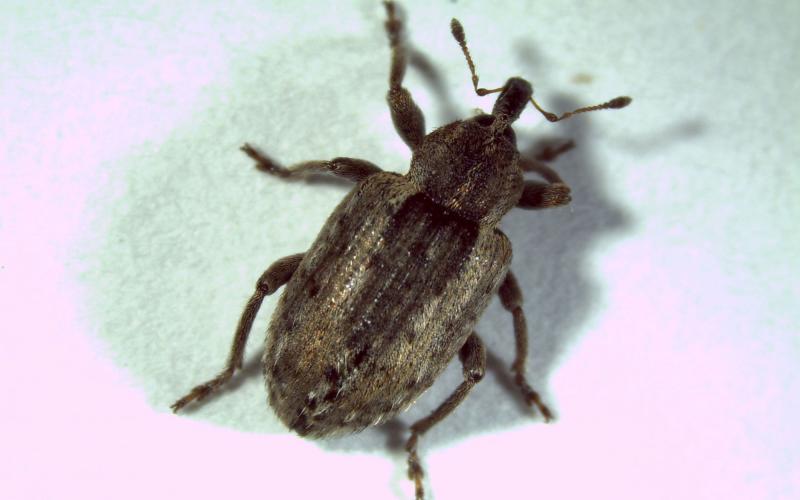
2019 Alfalfa Weevil Activity
It was another cool week in South Dakota with not a lot of degree day accumulation occurring. Alfalfa fields should still be monitored for alfalfa weevil activity even though the cool wet weather might have slowed this pest down.

Large Farms More Dominant in South Dakota Crop Production
Large farms play a more dominant role in South Dakota crop production, according to the recently released 2017 U.S. Census of Agriculture. As of 2017, large farms of more than 2,000 acres operate 66.8% of South Dakota total cropland aces compared to 47.7% as of 1997.
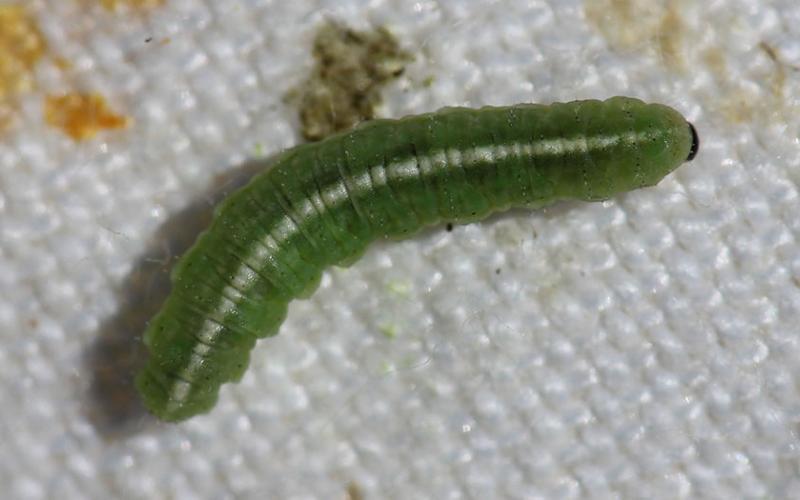
2019 Alfalfa Weevil Activity Prediction
One of the major insect pests of alfalfa in South Dakota is the alfalfa weevil. In 2018, we received fewer reports of alfalfa weevils, which may have been a result of the cooler and wetter spring conditions. It’s possible that populations may also be lower in 2019 due to the similar spring conditions that we are currently experiencing.

Wearing a Respirator? Then No Facial Hair for You!
At commercial or private applicator re-certification trainings, it is possible to hear the phrase, “Don’t wear a respirator if you have facial hair!” Facial hair, whether a full beard or stubble, may prevent respirators from sealing to the skin or interfere with their valve function.

Grasshopper Mites in South Dakota
Fact sheet that covers the ectoparasite grasshopper mites.
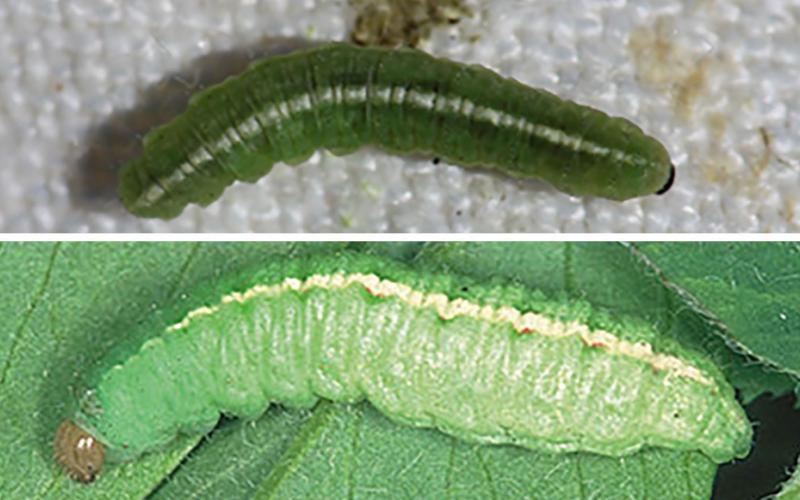
How to Differentiate Alfalfa Weevils From Clover Weevils
When scouting alfalfa, there are two species of weevils that are commonly observed. They are the alfalfa weevil and the clover leaf weevil. Although they are similar in size and coloration, each species has unique characteristics that can be used to identify them.
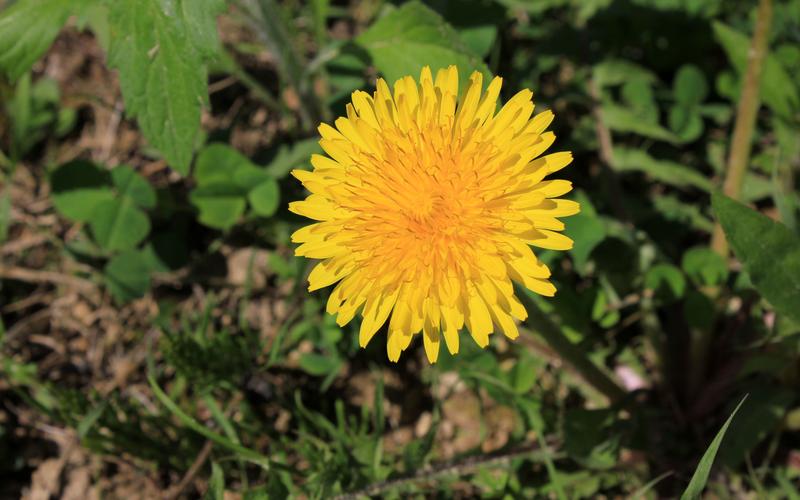
Dandelion Season
The yellow flowers of spring are coming. Spring dandelion treatments are not as effective as fall, but they can be used to stop the yellow flowers from producing viable seed.
2019 June Beetle Update
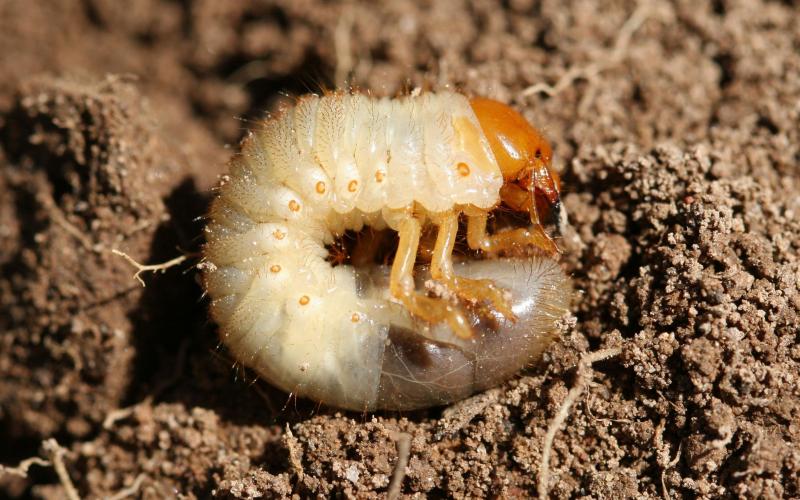
In the spring of 2016, we received reports of large populations of June beetles in Central South Dakota, which indicates the start of a new cycle for the grubs. Based on these reports, it is estimated that 2019 will be the big emergence year if the 2016 adults were successful and their grubs survived.
Are Ant Mounds in Pastures Bad?
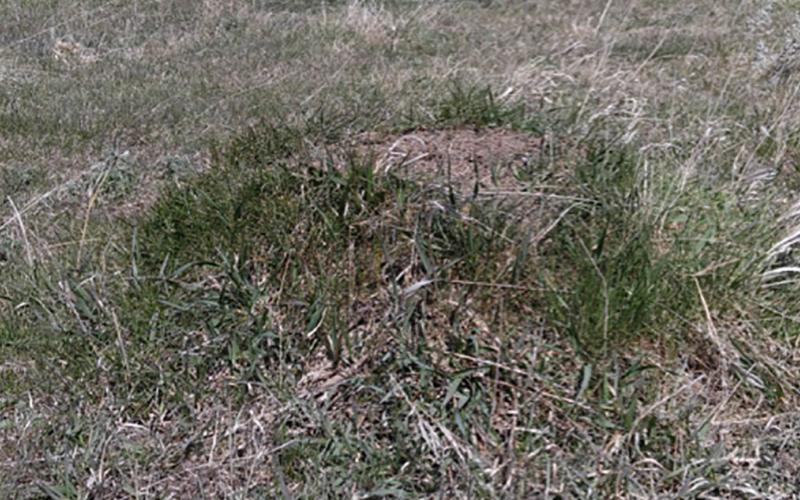
We often receive reports of large ant mounds in a pastures and rangeland. These mounds are the creation of thatching ants, which are common in South Dakota. Although these mounds are often considered a nuisance, the ants may play an important role as predators of potential pest insects.
Soybean Growers Sought for On-Farm Research Program
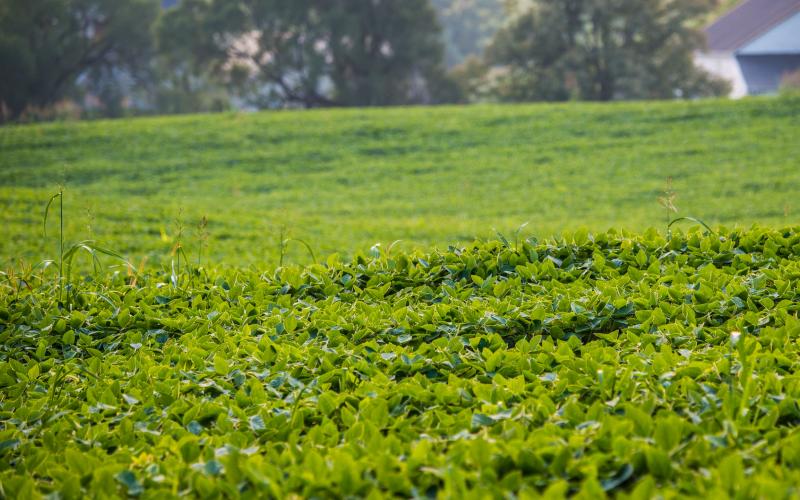
We want you! SDSU Extension and the South Dakota Soybean Research and Promotion Council are seeking South Dakota Soybean Growers willing to participate in a farmer-led on-farm research program.