Business
All Business Content

Requirements for Food Entrepreneurs Selling Food in South Dakota
Throughout the country and in the state of South Dakota, people are showing more interest in selling their own food products and starting their own business
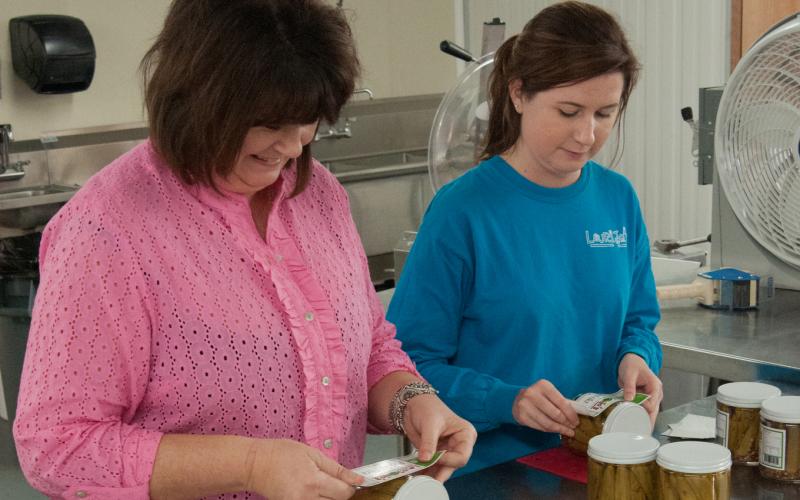
Labeling of Prepared and Processed Foods in South Dakota
Labeling requirements vary in accordance with the type of food that is being sold and in several instances how or where it was prepared or processed.

Selling Fish at a Farmers Market in South Dakota
This article was developed to address some of the questions around selling fish at the farmer’s market and to ensure that seller’s may be well-informed to ensure they are selling fish that meet regulatory requirements as well ensuring the product is safe.

Selling Juice in South Dakota
Understanding the regulations for selling juice in the state of South Dakota can be difficult to navigate. This article was developed to address some of the questions around juice at retail as well as selling juice at a Farmer’s Market and to also ensure that seller’s may be well informed to ensure they are selling juice that meets regulatory requirements as well ensuring the product is safe.
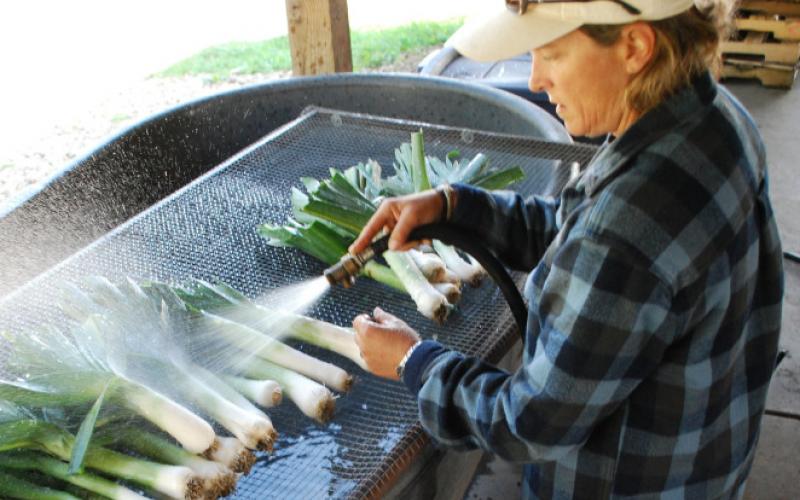
Food Safety Rules for Fruit & Vegetable Growers: FAQ
It seems rules and guidelines for growing fresh produce safely are constantly changing, as new laws and regulations are implemented each year.
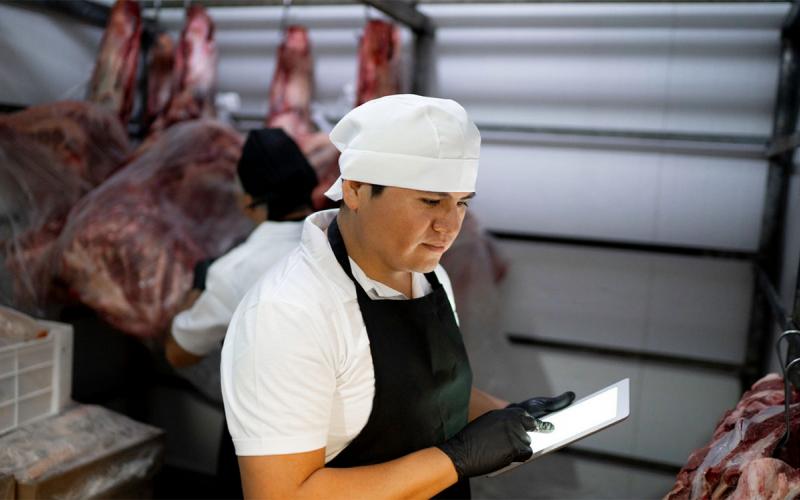
So, You Want to Build a Meat Processing Facility? Five Initial Steps to Consider
The need for more small meat processing capacity and skilled workers is not a new problem facing rural America. No matter the reason for wanting to build, here are some steps to consider before diving in.
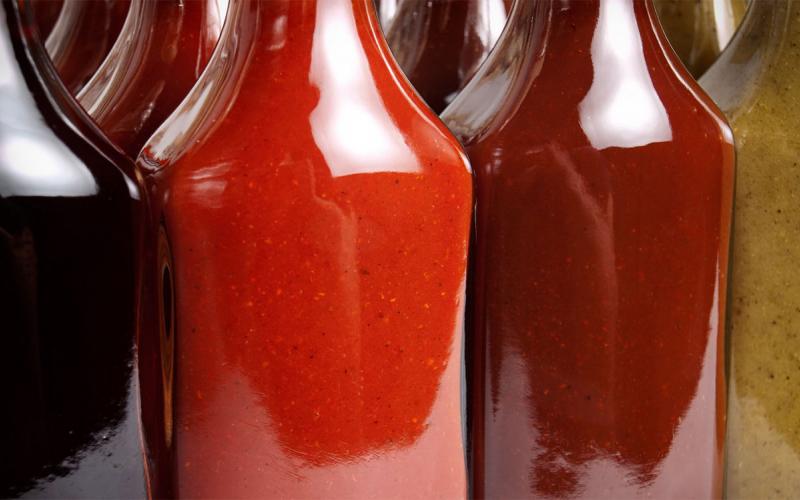
How to Make a Safe Hot Sauce
Hot sauces can be made to with a combination of several different ingredients to give unique flavors and heat that consumers enjoy. There are many considerations that should be made on how hot sauces are processed, formulated and packaged.
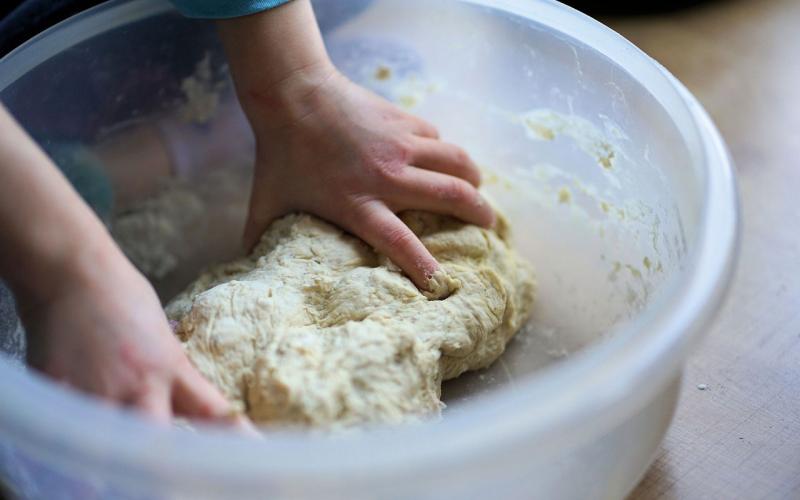
Hydrated Doughs and Batters: How to Safely Handle Food Safety Risks
Making dough and batter is one of the intermediary steps on your way to enjoying great foods, such as scones, cookies, cakes, donuts, pies and more. This article will help you understand the food safety risks associated with food types that have a hydrated batter.
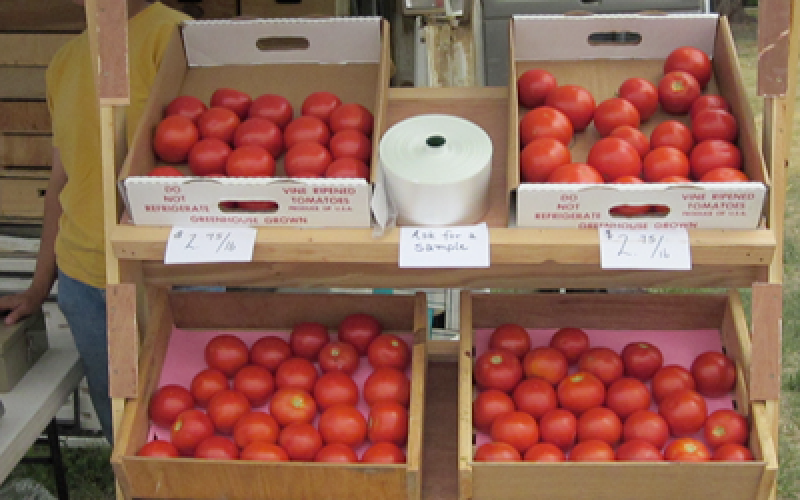
Farmers Market Food Safety: Health & Hygiene
Health, hygiene and hand washing apply to all stages of production, processing and marketing. Ill food handlers can easily contaminate fresh produce with disease-causing microorganisms. Many of these organisms have the capability to survive on fresh fruits and vegetables for an extended time, from several days to weeks. Once the organism is established on fresh produce, it is very hard to remove.
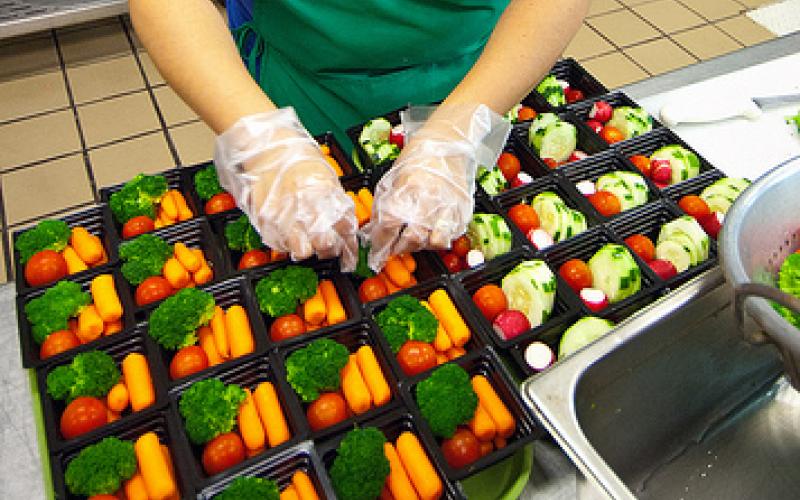
Disposable Gloves: Guidelines for Food Handlers
Improper handling of food and poor personal hygiene by food handlers are leading causes of foodborne illness. Disposable gloves do not take the place of good hygiene and proper hand-washing.