Soil Management
All Soil Management Content
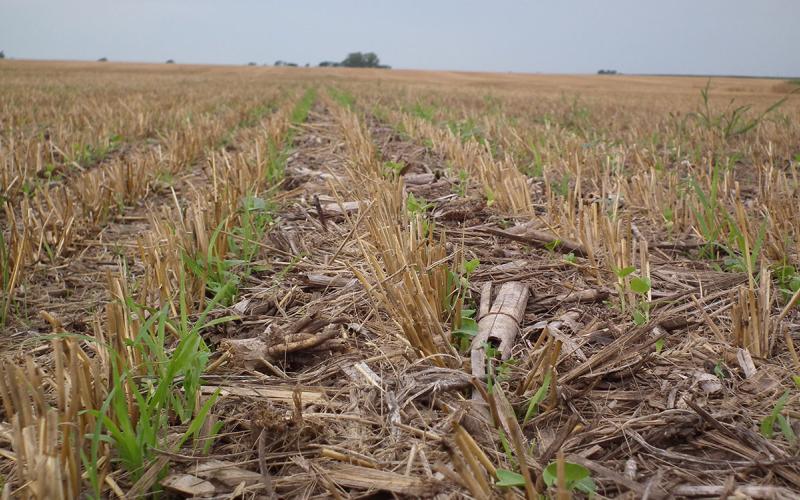
Do Cover Crops and Grazing Harm Soil Properties?
Fact sheet for a study that was conducted to compare short and long-term animal grazing on soil health and water properties at four locations in SD.

Smart to Lead SDSU Extension Agriculture and Natural Resources Program
July 06, 2021
South Dakota State University Extension has named Alexander “Sandy” Smart as the new Agriculture and Natural Resources Senior Program Leader.
Next SDSU Extension Drought Hour Set for June 28
June 17, 2021
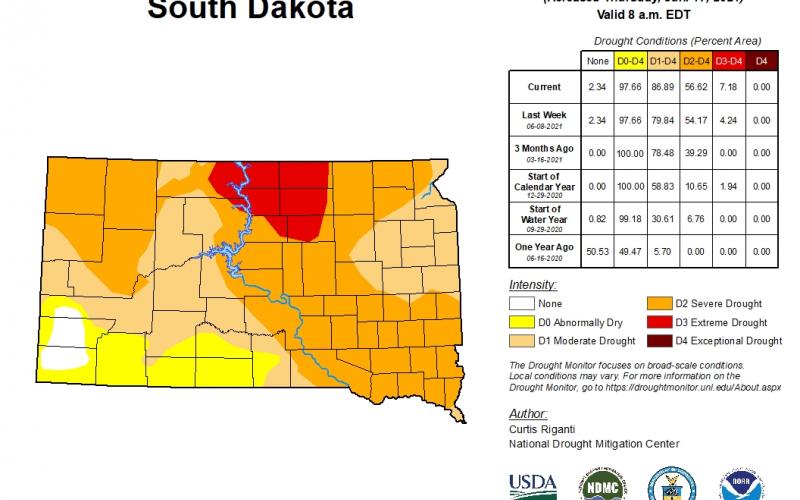
Nearly 90% of South Dakota is now in some level of drought. According to the latest U.S. Drought Monitor, 56% of the state is in the Severe Drought (D2) and Extreme Drought (D3) classifications.
SDSU Extension Announces Rangeland and Soils Day Results
June 14, 2021
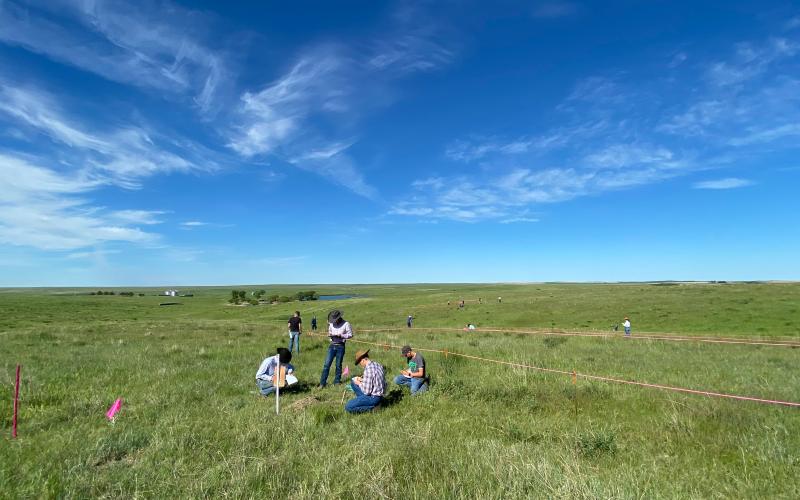
The first place 4-H teams in each judging event from both contest locations will now advance to the National Land and Range Judging Contest in Oklahoma City, Oklahoma in May 2022.
Grassland Fertilization: Exotic Grass Planting Case Studies - McPherson and Jerauld Counties
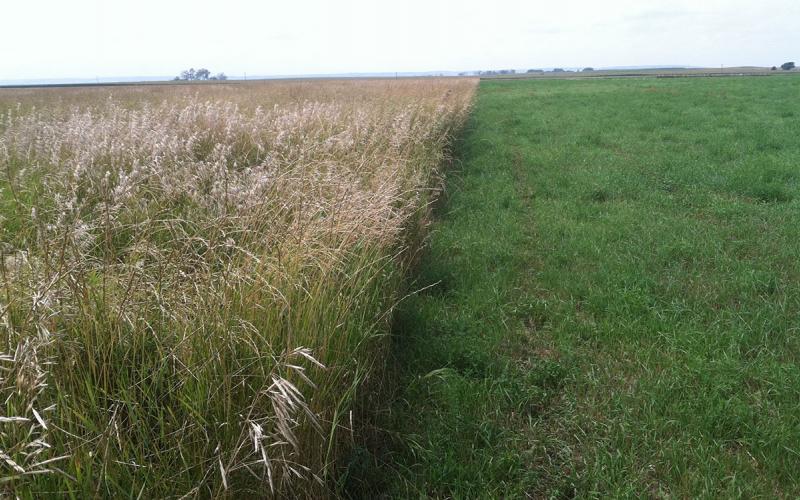
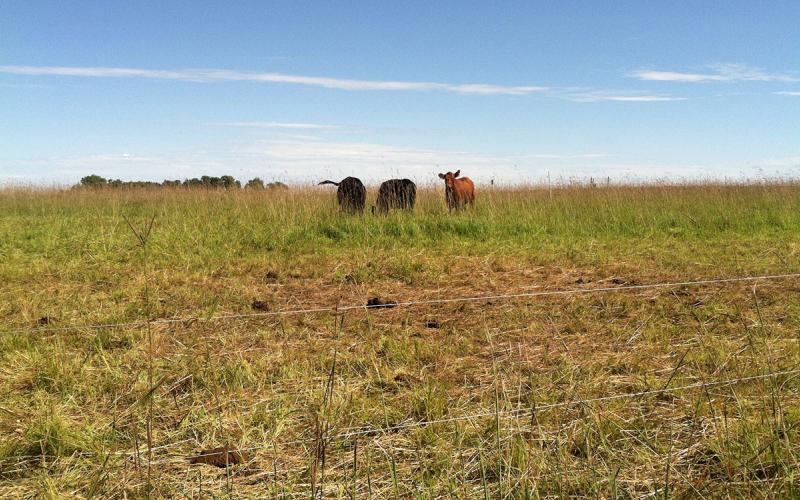
Our previous installment of this series discussed the effects of fertilization on native grassland plantings. This last installment addresses the options for fertilization on low-diversity exotic grassland plantings.
Grassland Fertilization: Native Grass Planting Case Study - Codington County
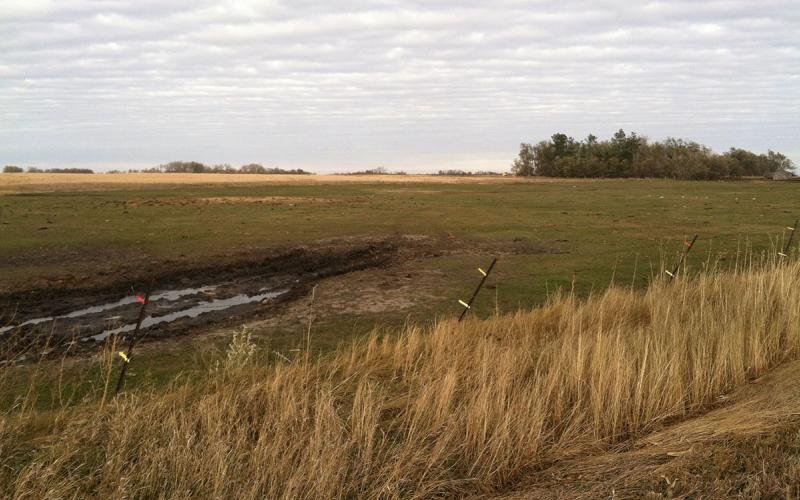
Management goals of planted grasslands are an important driver in the consideration of whether fertilizer applications will be beneficial or harmful. Here, we will discuss various plant communities and the impact of fertilization on each.
Grassland Fertilization: Native Pasture Case Study - Hamlin County
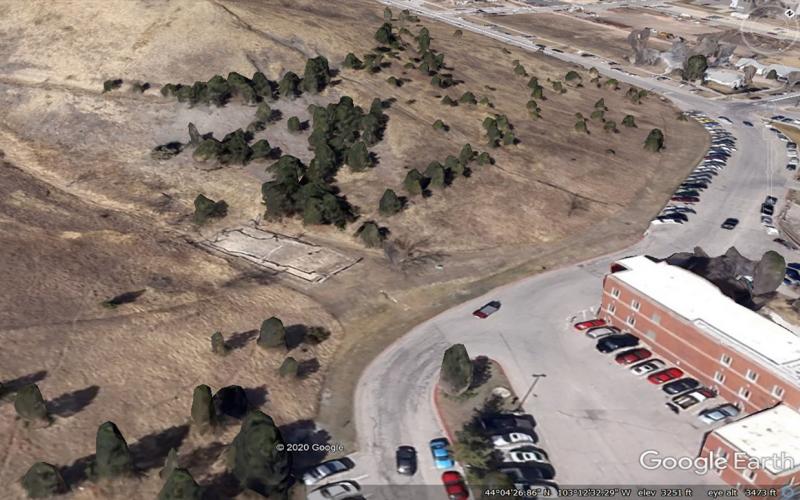
Whether fertilization pays or not depends on the species present, the past management history and the type of grazing strategy. This study compares two very different plant communities that represent typical pastures and management schemes in this area.
West Dakota Water Development District Looks To Improve Rapid Creek Water Quality Through Stormwater Mitigation and Erosion Control Projects
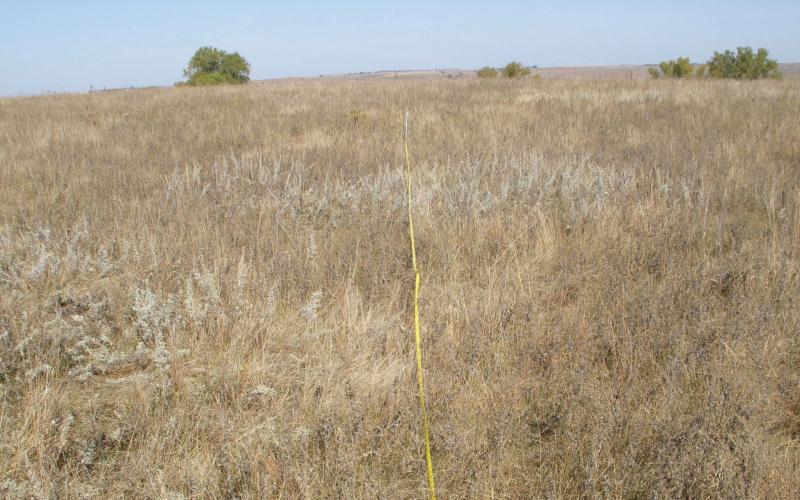
Two pilot projects initiated by the West Dakota Water Development District are intended to improve water quality in Rapid Creek by reducing suspended sediment loading over time.
Natural Resources: The Ranch Foundation During Drought
Just as every factory needs a sturdy and healthy foundation to be sustainable, a ranch manager must keep a watchful eye on the natural resources of the ranch during drought.

X-Ray Scanning Confirms Soil Health Benefits from Conservation Practices
Summary report of X-ray scanning confirms soil health benefits from conservation practices.