Content by Hector Menendez
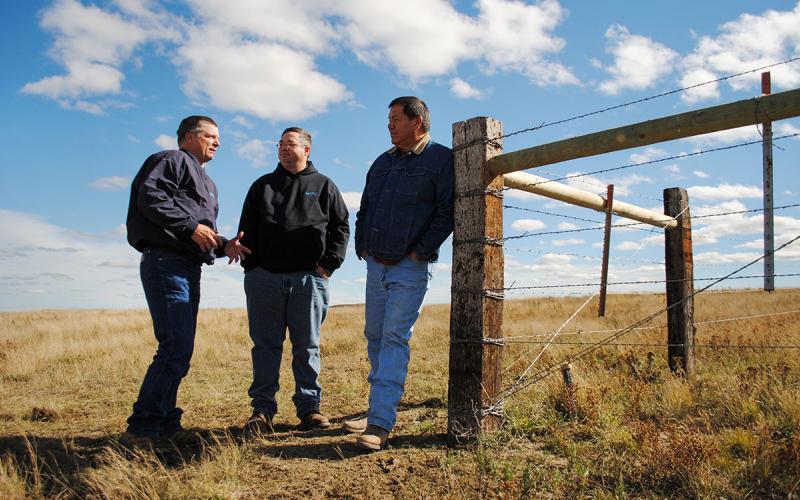
Five Range Management Principles: #2 Creating a Grazing Plan
Creating a grazing management plan can be overwhelming. Learn the basic steps for outlining a plan, along with several resources to help identify the right strategy for your operation.
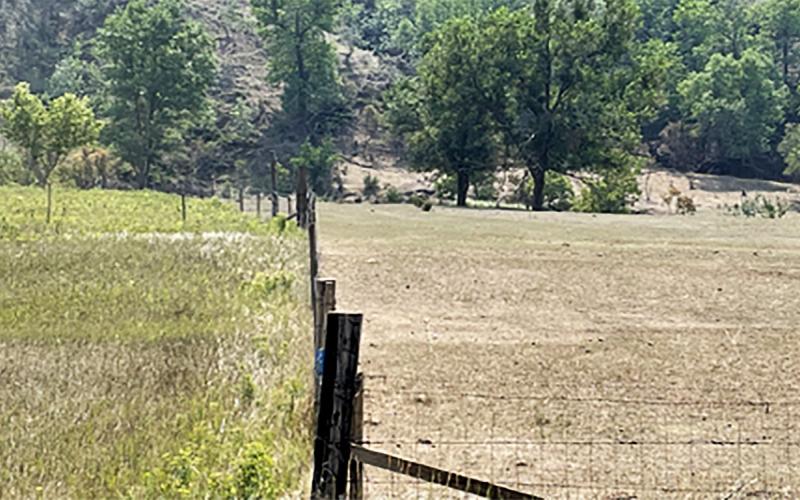
The Lasting Effects of Overgrazing on Rangeland Ecosystems
Overgrazing can cause various detrimental effects on rangeland ecosystems. Most of the effects are seen in the short term, but some are unseen and can be lasting.
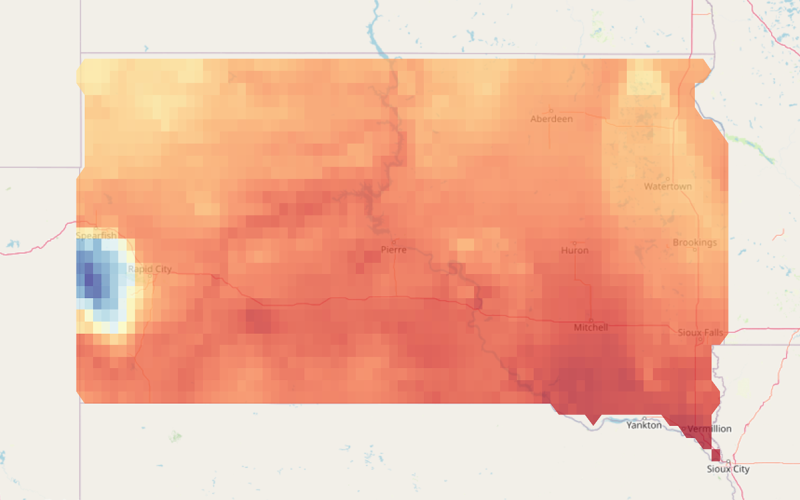
South Dakota Grazing Readiness Spring Turnout Map
The South Dakota Grazing Readiness Map uses historical climate data to provide livestock producers with a range of spring turnout dates for their location based on grass type.
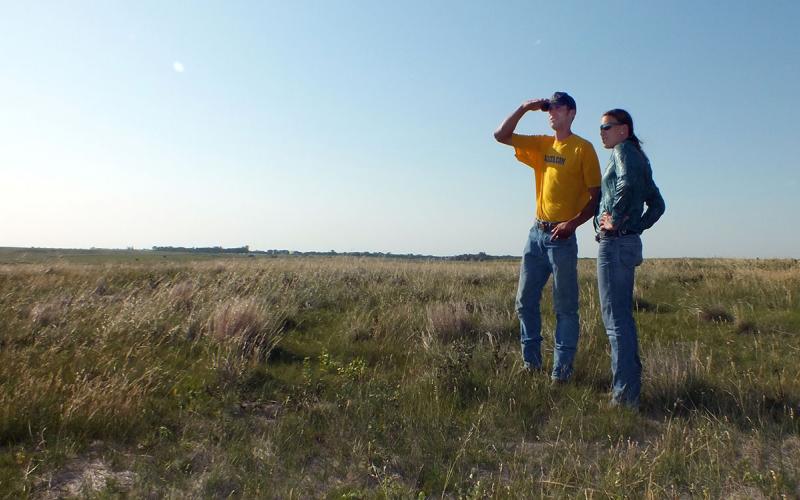
Five Range Management Principles: #1 Adaptive Management
Adaptive management is a process that livestock producers can incorporate into their operation to increase operation flexibility and adjust to changing conditions.
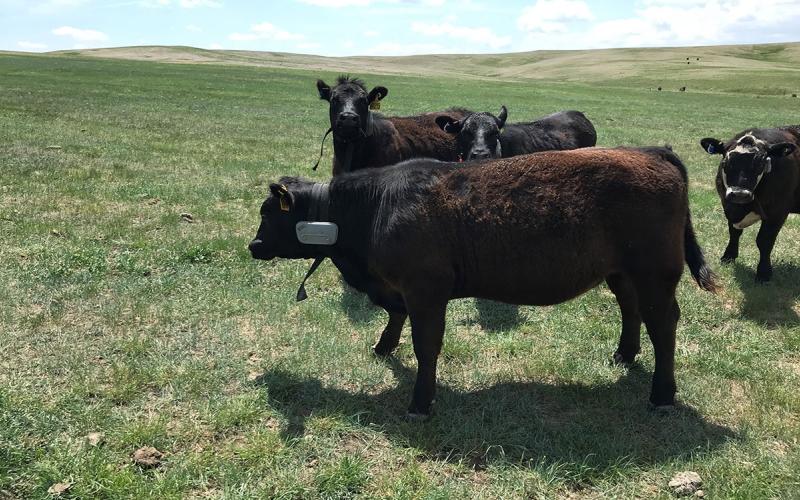
Range Roundup: Virtual Fencing Project Takes Place at the Cottonwood Field Station
Virtual fencing (borders without physical barriers) has started making waves in the cattle industry, and it can be used to implement precision grazing management. Our team is researching its use and utility at the SDSU Cottonwood Field Station starting this summer.
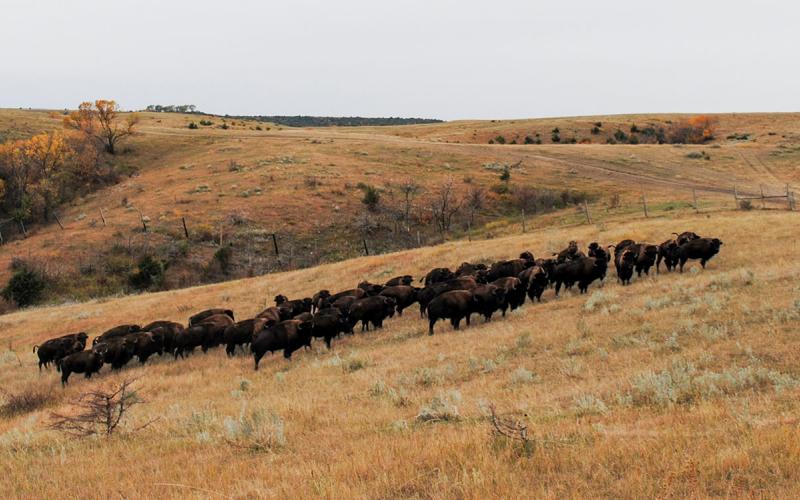
Bison Economics Tool
The SDSU Bison Economic Tool provides bison producers with up-to-date, monthly bison market information. The rapid and user-friendly visualization capabilities enhance communication and evaluation of how the industry is performing compared to previous months.
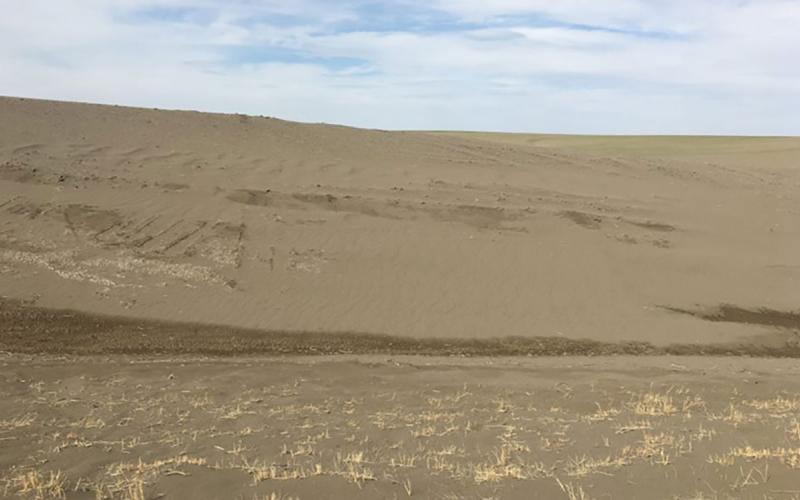
Impacts of Drought on Soil, Water, Forage and Livestock Grazing Systems
Grazing systems are complex, because soil, water, forage and livestock components are interconnected and affect each other. Producers can put themselves back in the driver’s seat by developing annual systems-level grazing plans for favorable and unfavorable situations.