Content by Patrick Wagner
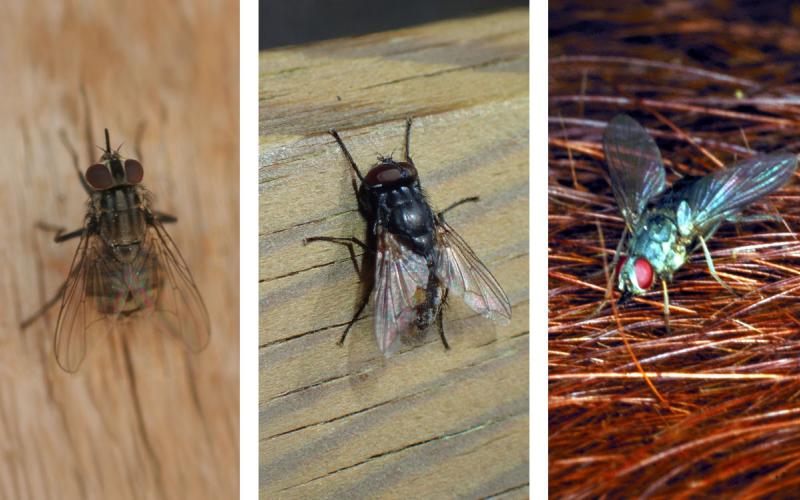
Fly Management for Cattle
There are several species of flies that can reduce the production value of livestock, particularly during hot, dry weather. To manage these pests, it’s important to be able to accurately identify them and understand their life cycles.

Large Grasshopper Nymph Populations Detected in Southeast South Dakota
This week we received several reports of large grasshopper populations originating from southeast South Dakota. The populations were well above threshold and actively defoliating crops.
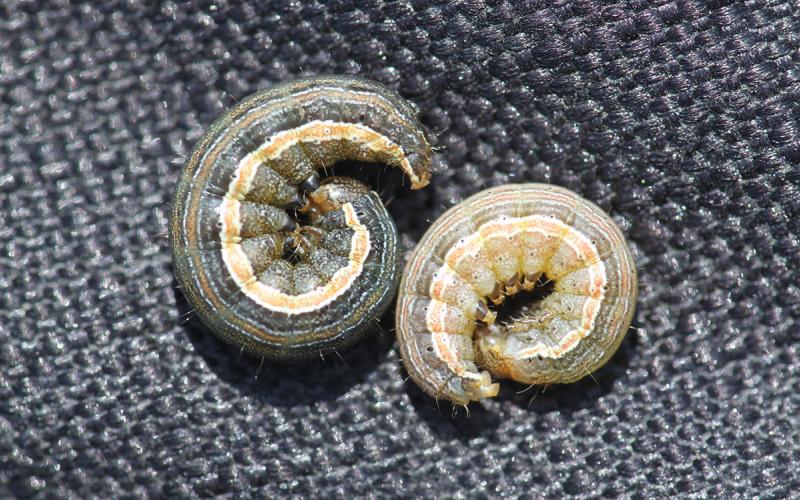
Keep an Eye on Your Wheat: True Armyworm caterpillars may be present
Every year, true armyworm caterpillars pose a threat to South Dakota wheat fields, and they most frequently show up during the end of June and early July. However, strong southerly winds during the spring can cause populations to show up earlier.

European Corn Borer Caterpillars Are Active: Scout your conventional corn
European corn borer caterpillars have been observed in conventional corn at several locations. Indicators for presence of are a line of straight holes in the upper leaves that is often referred to as shot-hole injury.

Fungus Gnats Affecting Soybean Emergence
We have recently received a report of a maggot attacking soybean seedlings. During most years, we would immediately expect this to be a case of seedcorn maggots, but it was fungus gnat larvae.
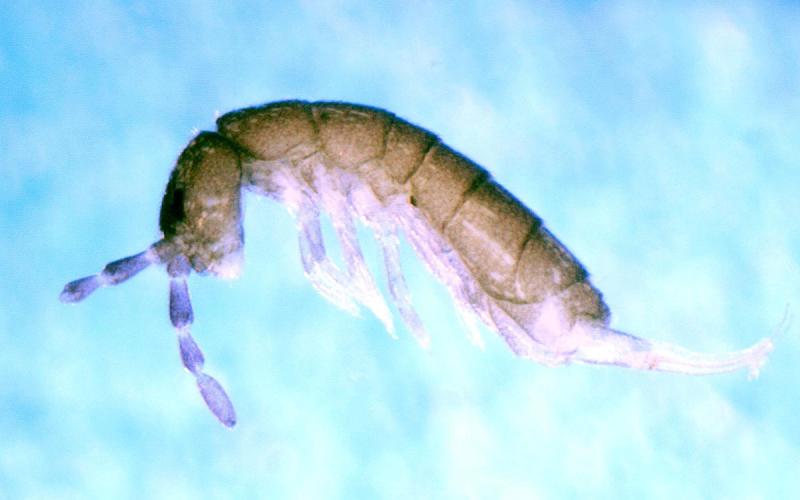
Springtails Are Active in South Dakota
Recent reports of seemingly millions of very small insects moving around on driveways and around homes was the result of a springtail population boom. Springtails typically become a nuisance during drought conditions or saturating rains.

West Nile Virus Update: July 2, 2026
On June 15, 2026, the South Dakota Department of Health released a press release that the first West Nile Virus positive pool of mosquitos was detected in Brown County. Although much of the state is still experiencing drought, recent heavy rains will promote already active mosquito populations.

Alfalfa Should Be Scouted for Presence of the Palestriped Flea Beetle
Palestriped flea beetles have recently been observed in alfalfa fields in South Dakota. Large populations of palestriped flea beetles can cause rapid defoliation and stunt seedling alfalfa.
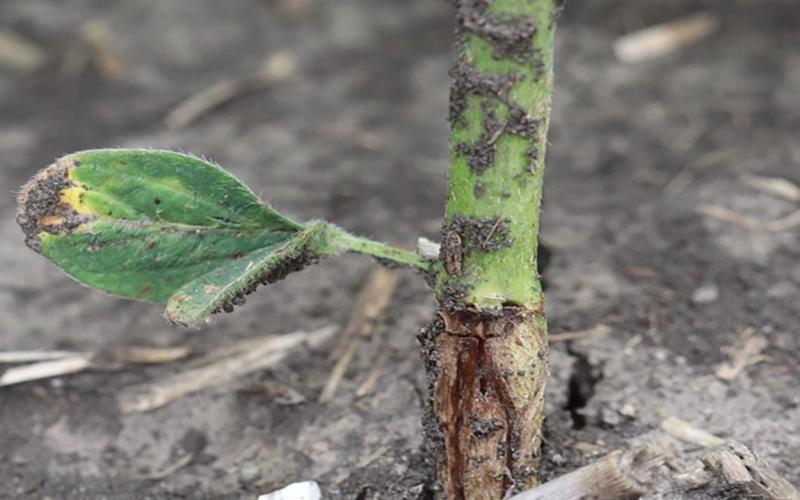
Soybean Gall Midge Larvae Active in South Dakota
Soybean gall midge larvae are active in soybean in southeastern South Dakota. The first symptoms of an infestation during this part of the season vary based on the size of the population within the plant.
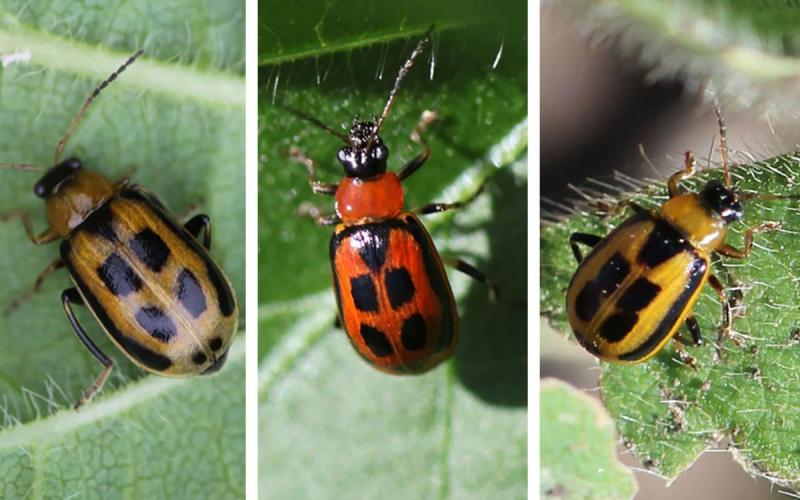
Bean Leaf Beetles, a Vector of Bean Pod Mottle Virus, May Be Active in Soybean
Although we are predicting low overwintering survival of bean leaf beetles this year in South Dakota, scouting for this pest should still be conducted, as every year we still observe populations in soybean.