Content by David Karki
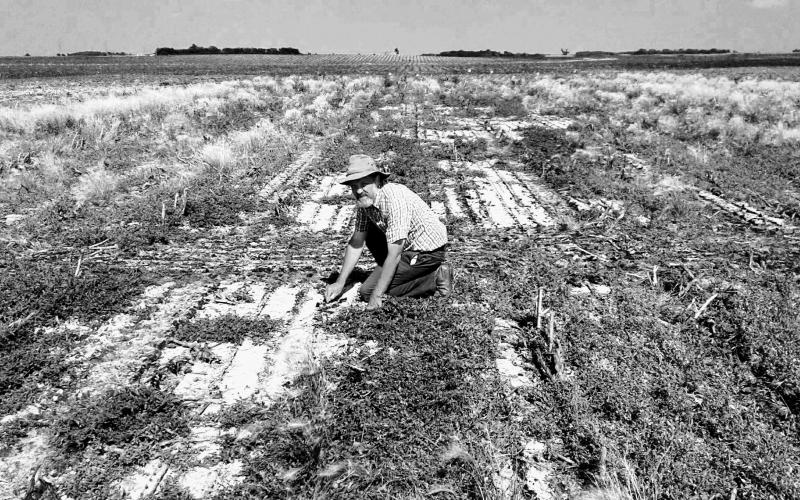
Perennial Solutions for Alkali Areas
Reclaiming marginal lands, especially those considered saline or sodic can be very challenging and may take many years to accomplish. The key to turning around salt or alkali areas in your fields, begins with getting a living root established in the affected area.
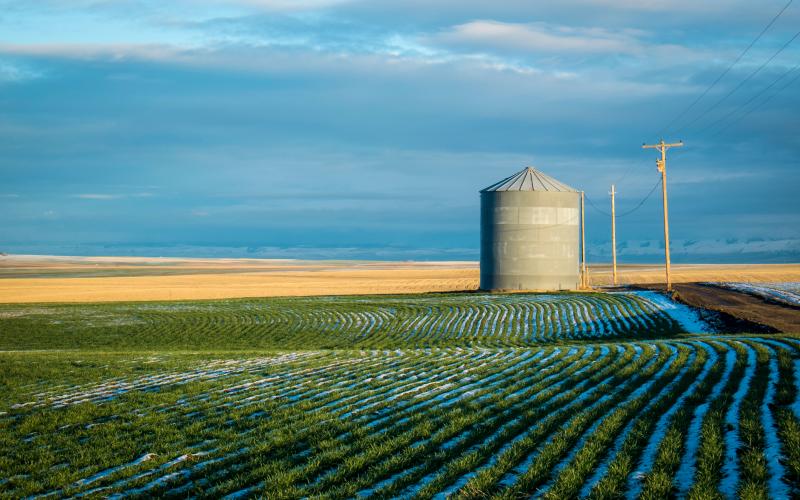
Climate Adaptability of Winter Wheat
For most of us, wheat is wheat. However, there is a distinct difference between spring and winter wheat, even though the vegetative characteristics of these two wheat types are very similar.
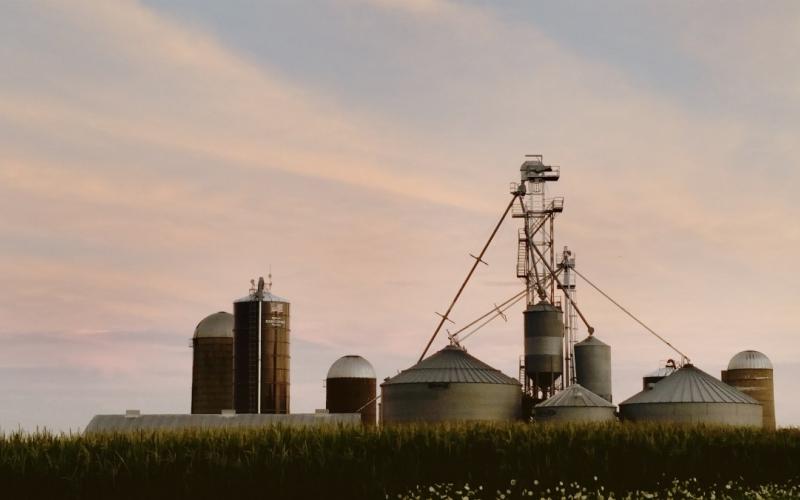
Corn Grain Moisture Discount: Why and How Much?
Corn marketed at the standard moisture content of 15.5% and 56 pounds per bushel typically contains 47.3 pounds of dry matter and 8.7 pounds of water. At harvest, a producer has to decide whether to sell (or even store) his corn at ‘as is’ moisture content or mechanically dry it before taking it to the buyer.
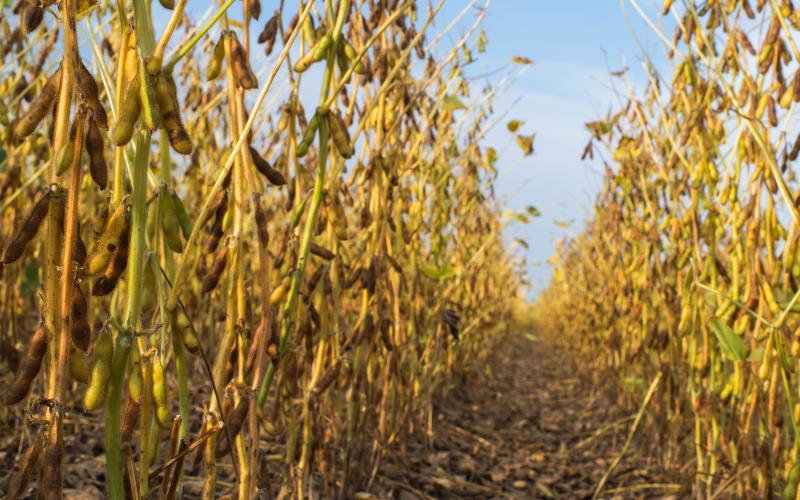
Low Temperatures During Soybean Maturity
This year, we had a slow soybean planting due to high rainfall in spring. This was followed by below normal temperatures for most of the growing season, which delayed soybean growth and development. This brings up a question about what these low temperatures will do to soybeans that are in the field.
Soybean Physiology: Reproductive Stages
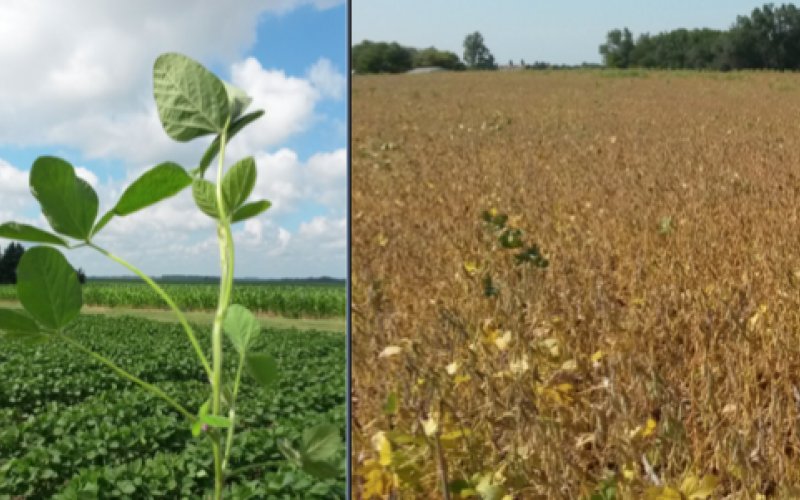
As soybean fields in the region are rapidly heading towards maturity, we will discuss soybean reproductive stages in this article.
Cereal Rye Cover Crop Between Corn and Soybean
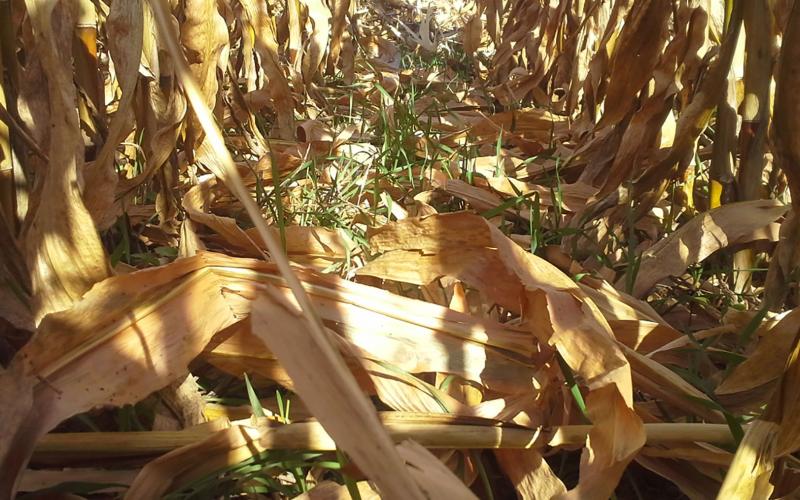
Interest in cover crops has increased in recent times. Cereal rye has been a cover crop of choice among corn and soybean growers in South Dakota due to its superior tolerance to cold temperatures and ability to overwinter in a Northern climate.
Cover Crops After Small Grains
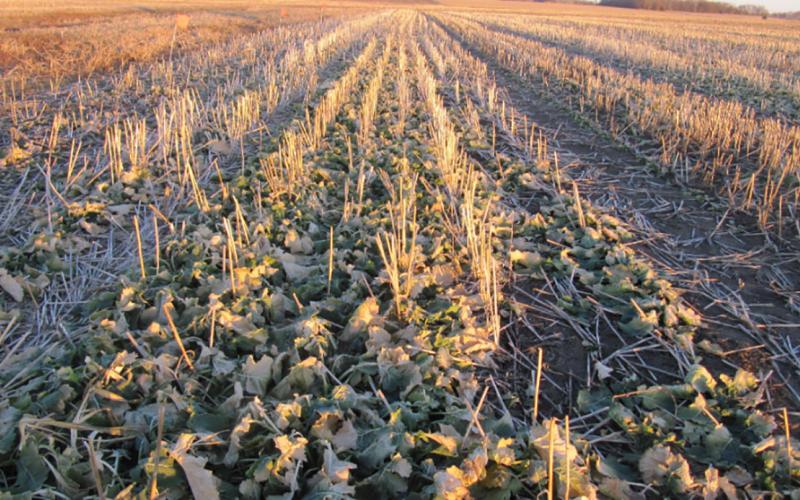
In last few years, interest in using cover crops has been increasing tremendously among crop and livestock producers in South Dakota. Growing cover crops following small grain is gaining more attention due to feasibility in cover crops species selection and also the time of the year where cover crops receive longer growing and establishing time than following row crops.
Cover Crops 2019: What to Plant When
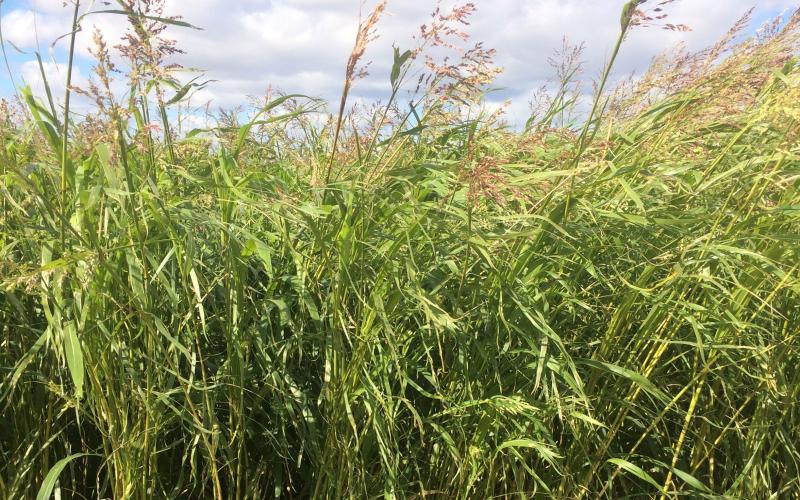
As many Midwest producers look to cover crops to build soil health and provide supplemental forage after a soggy spring, many questions are arising regarding management decisions, specifically, species selection and planting timing.
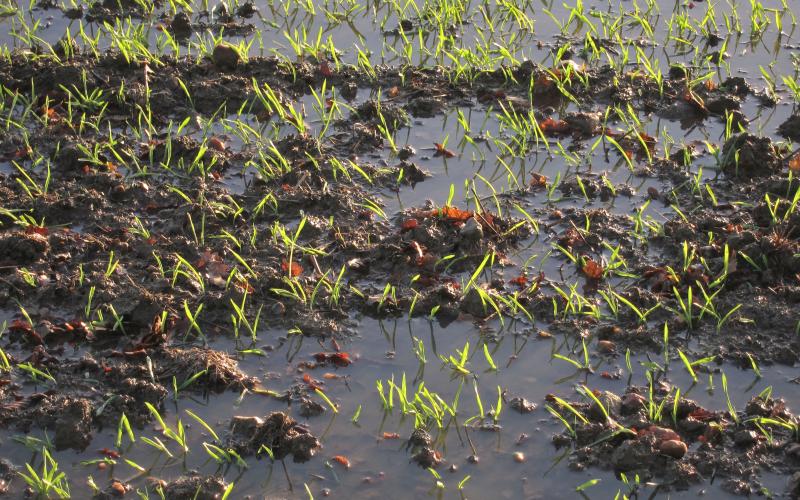
Wet Feet in Wheat
Given the widespread wet conditions present this spring, there are many areas in winter wheat fields with both ponding and saturated (or waterlogged) soils. Producers may want to consider soil conditions and evaluate extended weather forecasts when deciding whether or not to retain a winter wheat this spring.
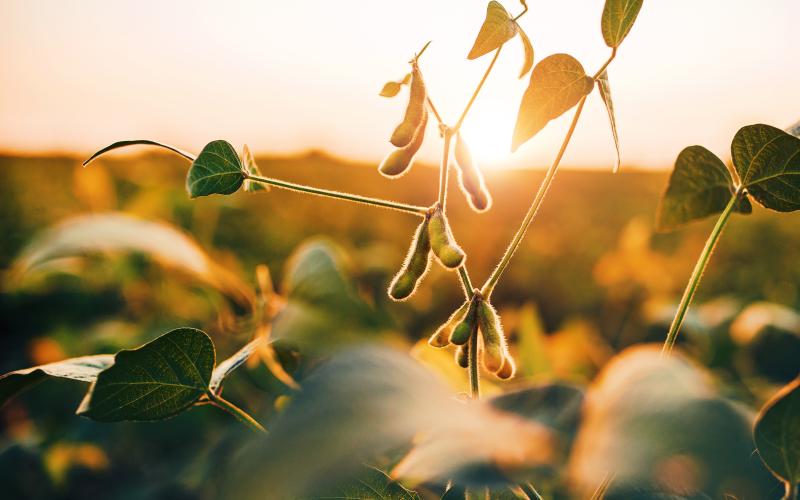
Investigation of Soybean Seed Treatment and Inoculant in Southeastern SD, 2018
Soybean seed treatment products are widely utilized by many farmers in southeastern South Dakota and the surrounding area. These products often consist of an insecticide/fungicide combination, and/or inoculant that is mixed and placed on the seed as a pre-treatment before the grower plants the crop.