Wheat Weeds
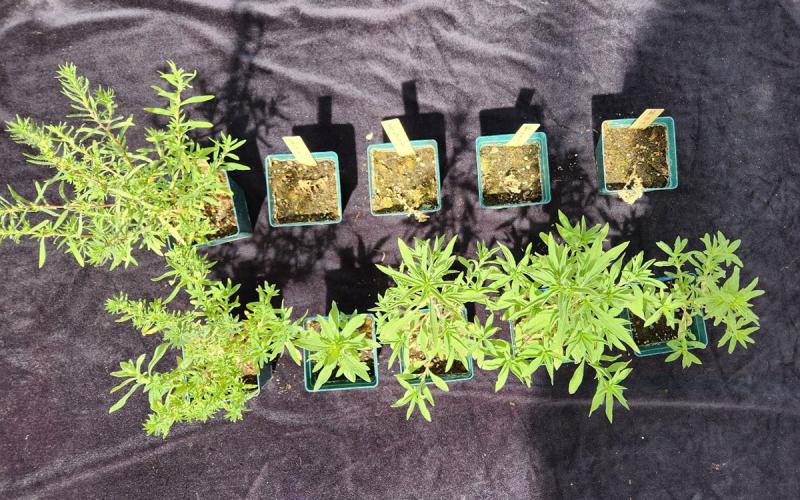
Saflufenacil-Resistant Kochia Confirmed in South Dakota
Saflufenacil is an herbicide that can be applied at a burndown timing before most South Dakota crops to effectively manage kochia. However, overreliance on saflufenacil has selected for resistant kochia in our region.
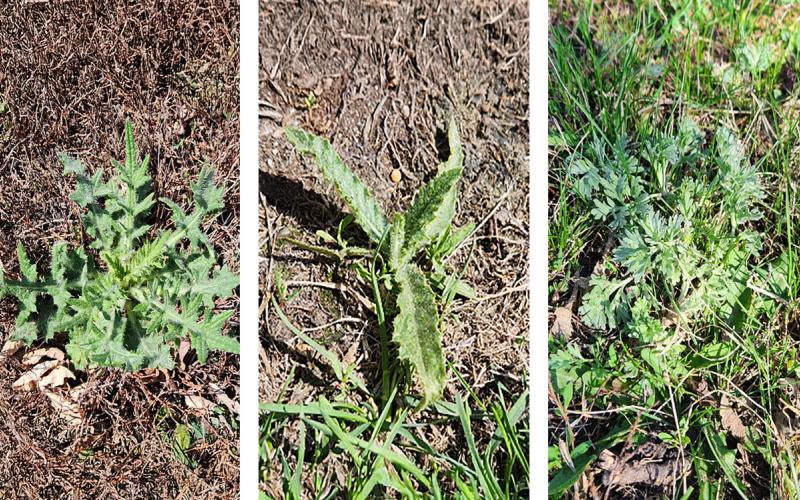
Noxious Weeds Have Germinated in East River South Dakota
Seasonal conditions have been favorable for weed germination, including biennial thistle, Canada thistle, and absinth wormwood. Learn some tips for scouting, identifying, and managing these noxious weeds before they become a problem.
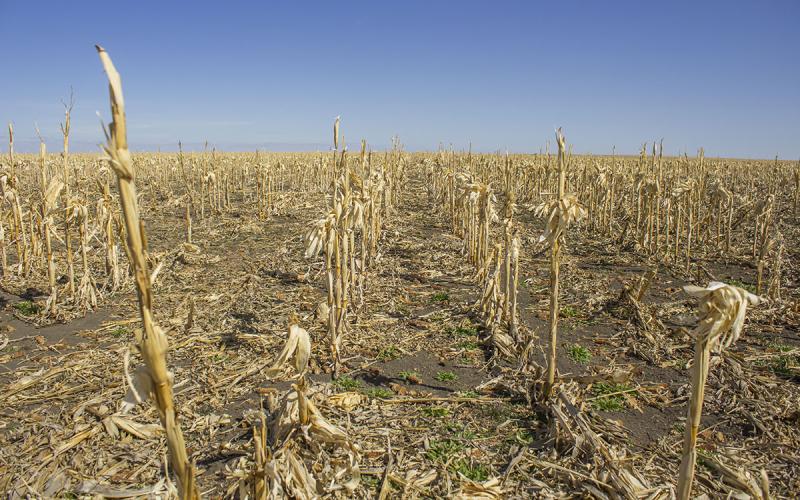
Watch Temperature Forecast Before a Burndown Herbicide Application
As planting season approaches, no-till fields will likely need a burndown herbicide application to manage the established winter annual and early emerging summer annual weeds.
Now is Time to Plan Your Weed Management Strategy for the 2025 Growing Season
As harvest season comes to an end, now is the time to start formulating your weed management plan for next year. Learn some expert tips for getting your operation off to a good start next growing season.

Now is the Time to Plan for Noxious Weed Control in 2025
Since most of South Dakota has experienced several frosts, the opportunities for fall herbicide applications are likely over. Now is the time to plan for noxious weed management for both spring and fall tactics.

Now Is the Time To Make Your Weed Management Plan for the 2024 Growing Season
As harvest season comes to an end, now is the time to start formulating your weed management plan for next year. Learn some expert tips for getting your operation off to a good start next growing season.
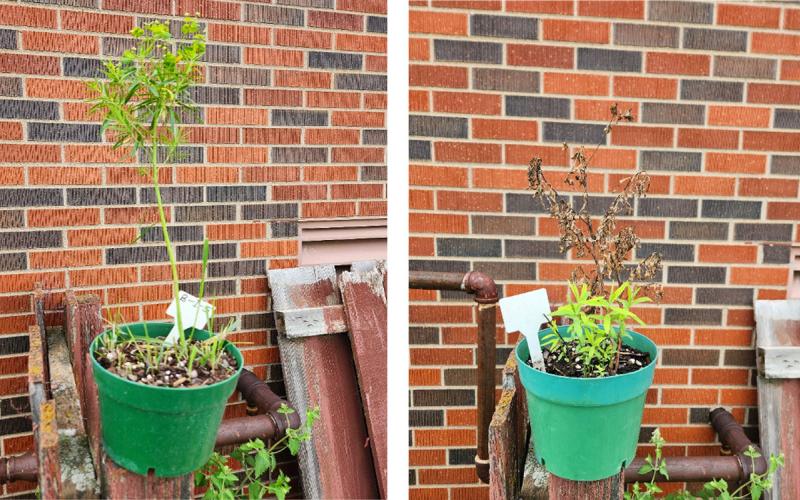
Evidence That 2,4-D Alone May Not Effectively Manage Leafy Spurge
The SDSU Extension Weed Science Project is currently conducting a potted plant study looking at various herbicide treatments to manage leafy spurge.
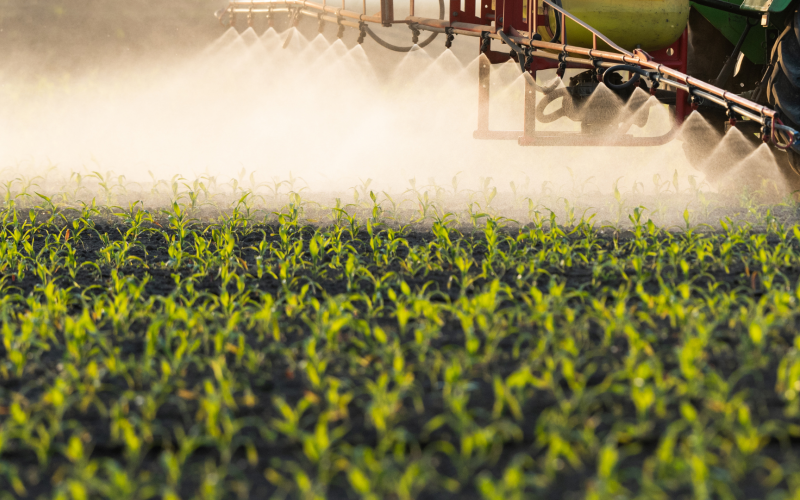
While Illegal in Tolerant Soybean, Dicamba Can Still Be Applied in Other Crops
While dicamba labels (i.e., Engenia, Tavium, and Xtendimax) for over-the-top applications for tolerant soybeans have been pulled for the 2025 growing season, the herbicide can still be applied in other crops. Below is a guideline for dicamba use in various crops.
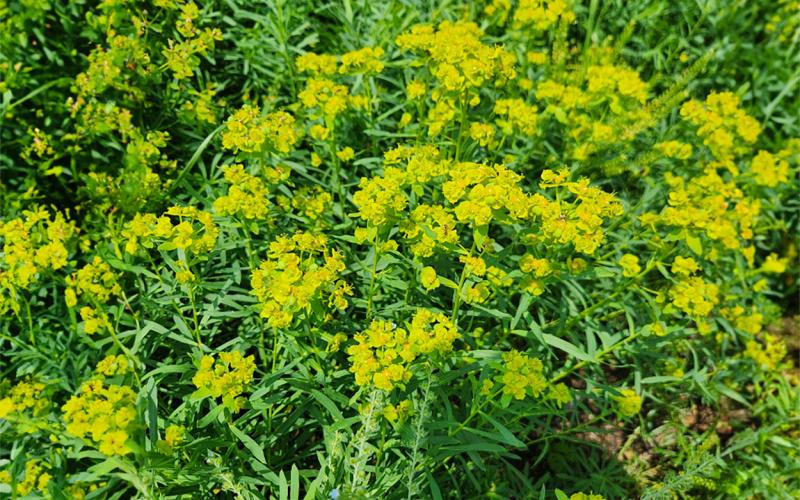
Effects of 2,4-D with and without wiper-applied glyphosate on leafy spurge (Euphorbia esula) treated-shoot, shoot regrowth, and root biomass
Fact sheet on the effects of 2,4-D with and without wiper-applied glyphosate on leafy spurge.
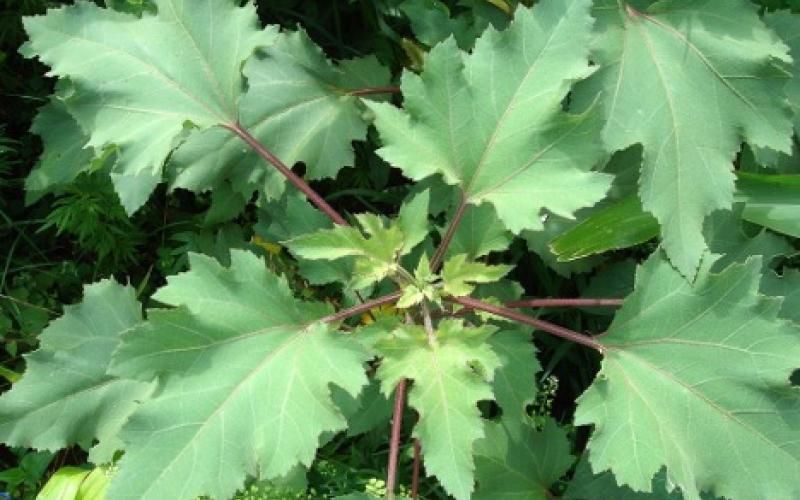
Identification and management of common cocklebur
Fact sheet to help identify and manage common cocklebur.