Wheat Weeds
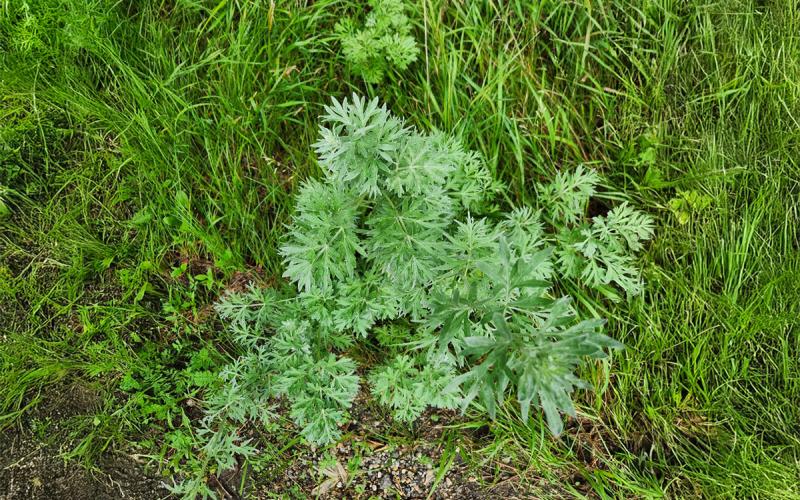
Absinth Wormwood Spray Window Passed: Mow now and plan to treat the regrowth in the fall
Absinth wormwood is a statewide noxious weed that inhabits cropland, pasture, rangeland, right-of-ways, and waste sites. If not effectively managed, the species can displace desirable vegetation, reduce crop yield and decrease land value.
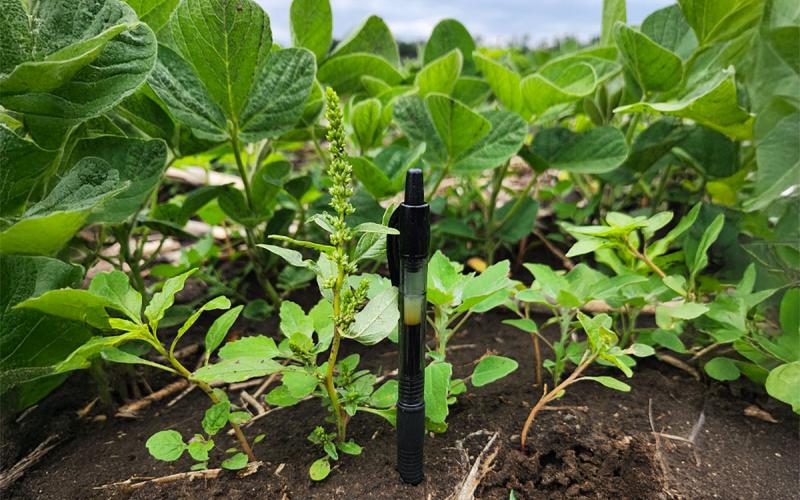
Waterhemp is flowering. No seeds present yet.
Waterhemp is one of the most-difficult weeds to manage in South Dakota row crops. While herbicide resistance is a great factor in the difficulty of managing this weed, the biology of the species plays an important role as well.
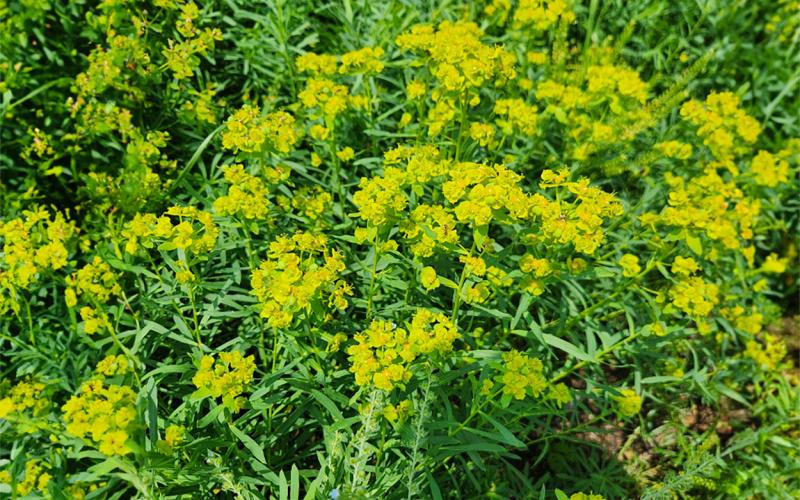
Leafy Spurge: Do I spray now or wait until fall?
In June, leafy spurge is one of our most problematic rangeland, pasture, and roadside weeds. It is also one of South Dakota’s noxious weeds that landowners are required by law to control. So should you spray it now or wait until fall?
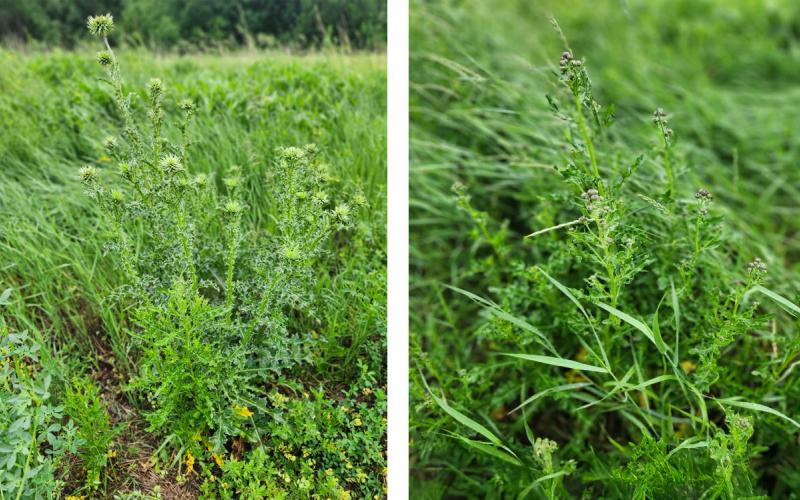
Thistle Species Are Budding in South Dakota
Thistles are starting to bud across South Dakota. This is a critical growth stage for management, as the plants are beginning to produce seeds and herbicides are not effective.
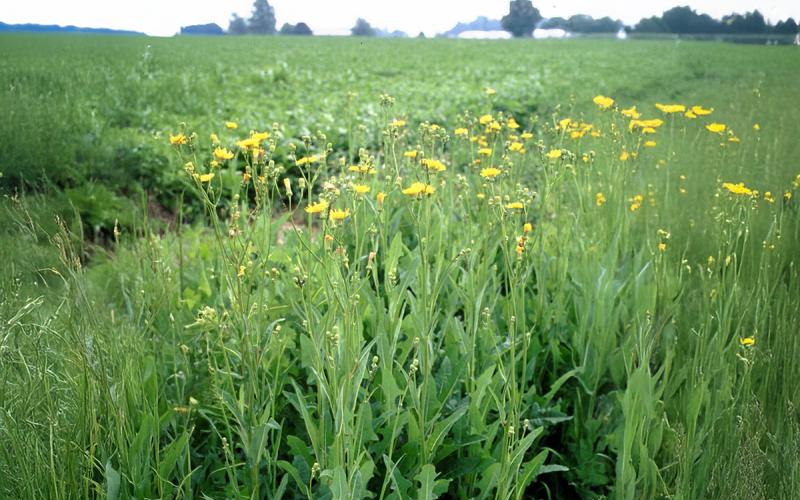
Perennial Sowthistle Management
Perennial sowthistle inhabits roadsides, pastures, rangelands, and croplands. It can be abundant in overgrazed, over-hayed, or over-mowed areas, as there is little desirable vegetation to compete against the weed.
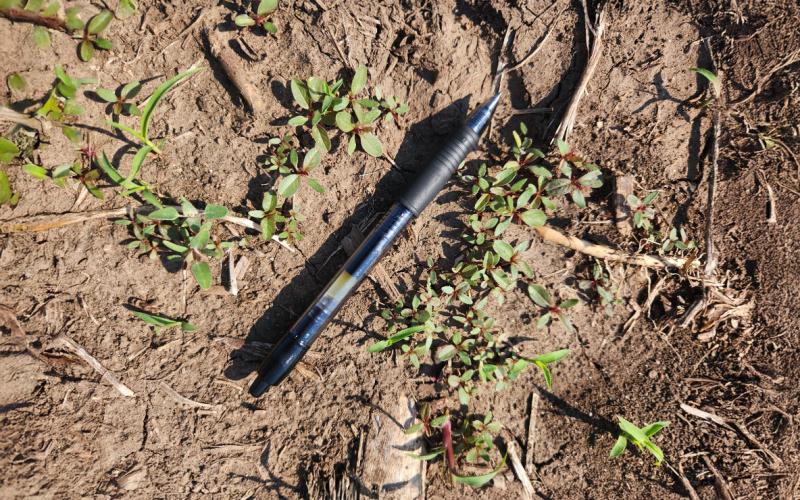
Waterhemp Has Emerged in South Dakota: Time to prepare for post-emergence management
Waterhemp has started to emerge across South Dakota. While waterhemp plants are small now, recent rain events and forecasted warmer air temperatures are ideal for waterhemp growth.
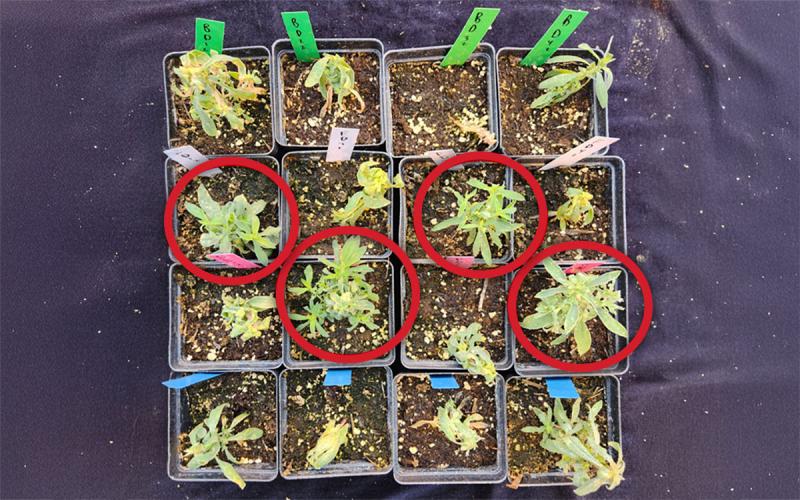
Dicamba-Resistant Kochia Can Likely Be Found Across South Dakota
Kochia populations collected across South Dakota have been subjected to an herbicide effectiveness screen, where a treatment of dicamba was applied and some kochia plants exhibited survival and regrowth after treatment.
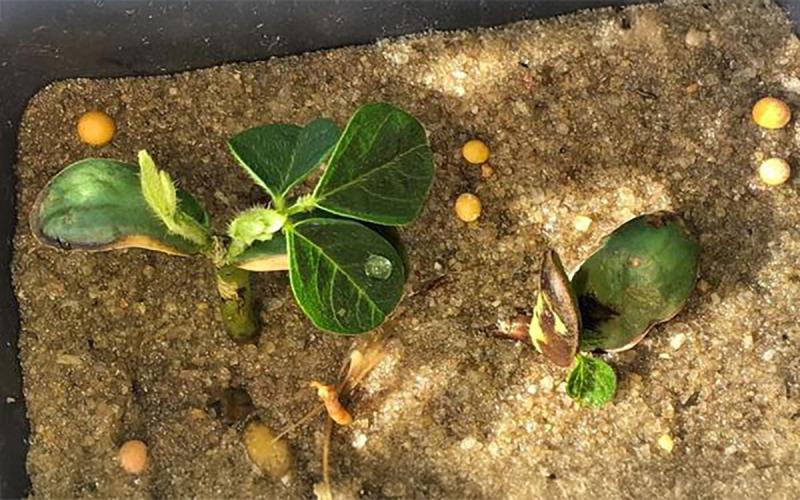
Wind and Rain May Have Delayed Preemergence Herbicide Application: What Now?
With recent winds and rain, preemergence herbicide applications may be further delayed. Scouting to determine if crops and/or weeds have emerged is critical to ensure effective and safe application of preemergence herbicides.
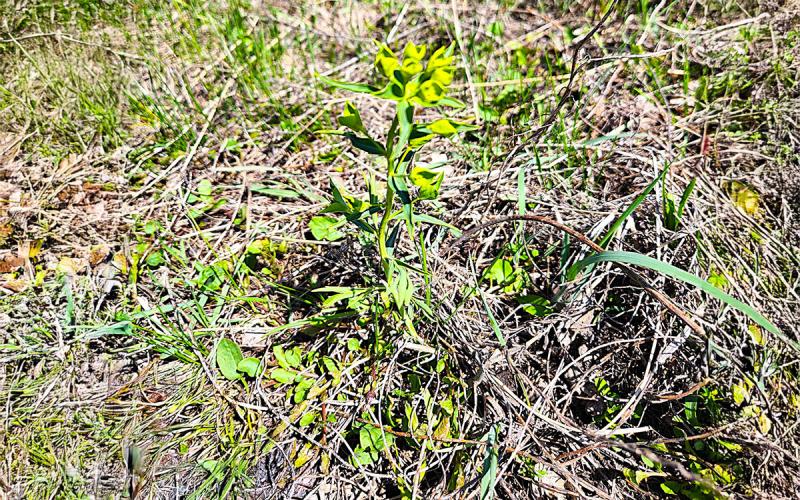
Leafy spurge has germinated and is growing rapidly in South Dakota: Scout carefully!
Leafy spurge can reduce the value and productivity of pasture and displace desirable vegetation. Now is the time to scout for infestations to determine which management tactics will be most effective.
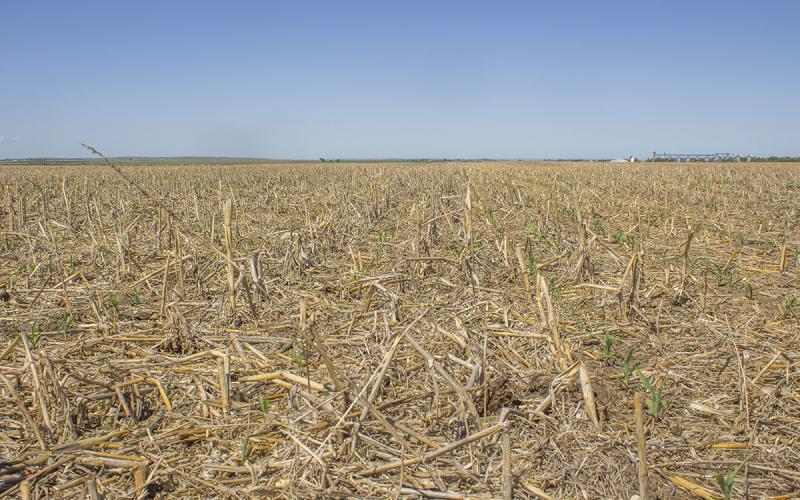
Dry Conditions May Hinder the Performance of Recently Applied Preemergence Herbicides
If a preemergence herbicide does not receive an activating rainfall, generally 0.5 to 1 inch of rain, many weeds will emerge, as the herbicide remains on the soil surface.