Native Plant
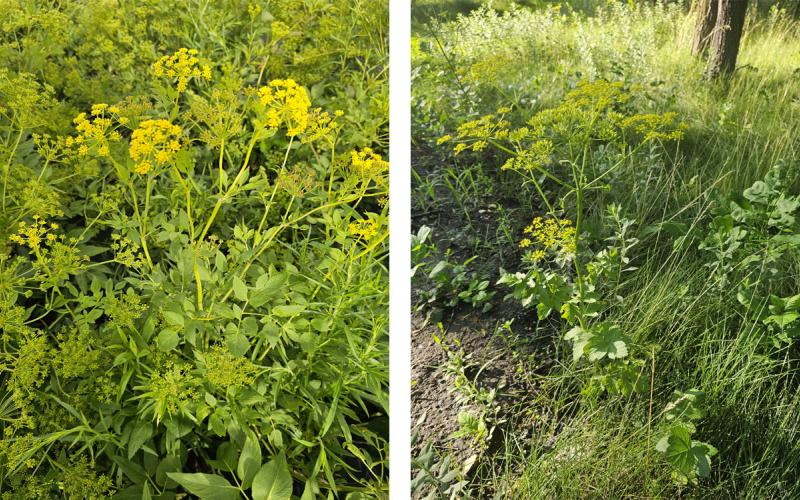
Plant Look-Alikes: What’s the Difference Between Golden Alexander and Wild Parsnip?
Golden alexander (Zizia aurea) is a striking native plant in South Dakota. However, another plant in this region often mistaken for golden alexander does not belong here and contains a harmful toxin.
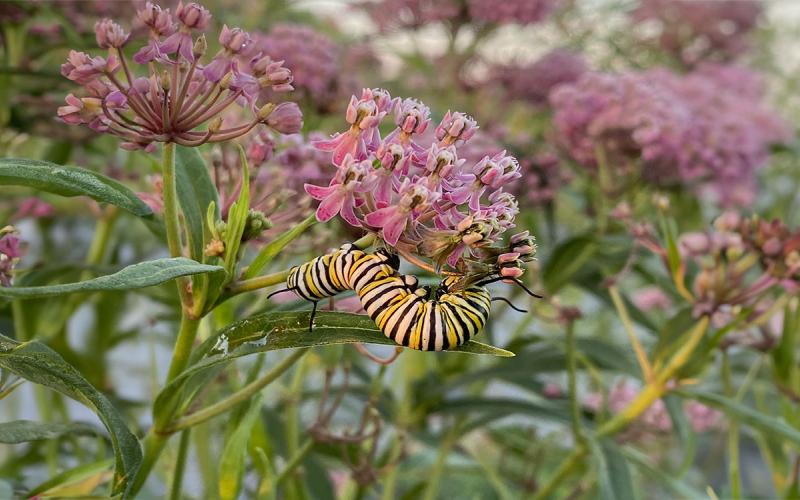
Range Roundup: SDSU Native Plant Initiative Strengthens Conservation and Supply of Native Plants
SDSU’s Native Plant Initiative has been hard at work on research that focuses on the conservation and supply of native plants.
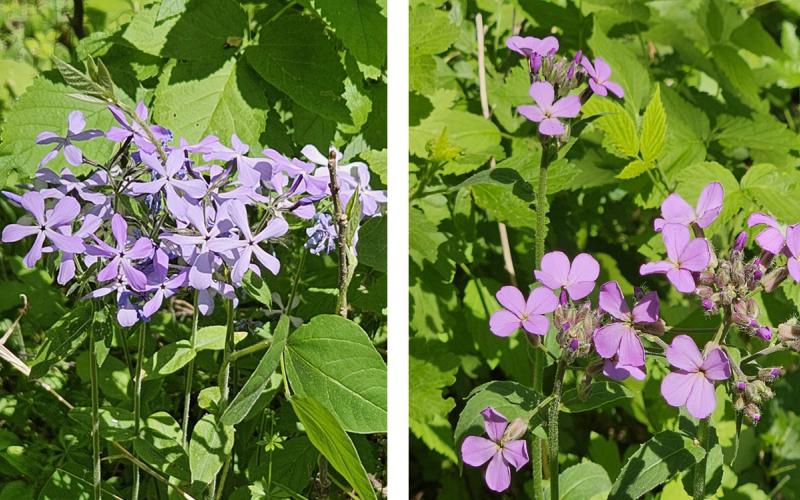
Plant Look-Alikes: What’s the Difference Between Phlox and Dame’s Rocket?
Distinguishing between native phlox flowers and the invasive dame's rocket can be challenging due to their similar appearances. Learn some key characteristics that can help you tell dame's rocket apart before it invades your property.
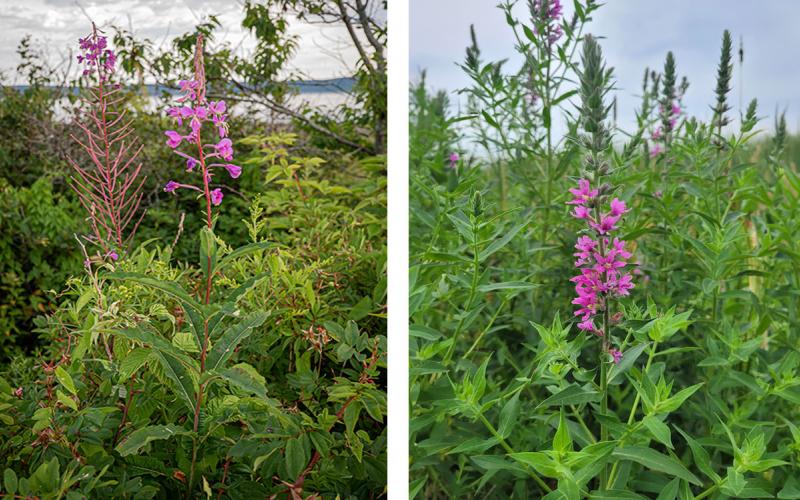
Plant Look-Alikes: What’s the Difference Between Fireweed and Purple Loosestrife?
Fireweed and purple loosestrife are often confused with one another due to their similar appearances, but the two plants have dramatically different impacts on the environment. Learn some key characteristics to help tell them apart.
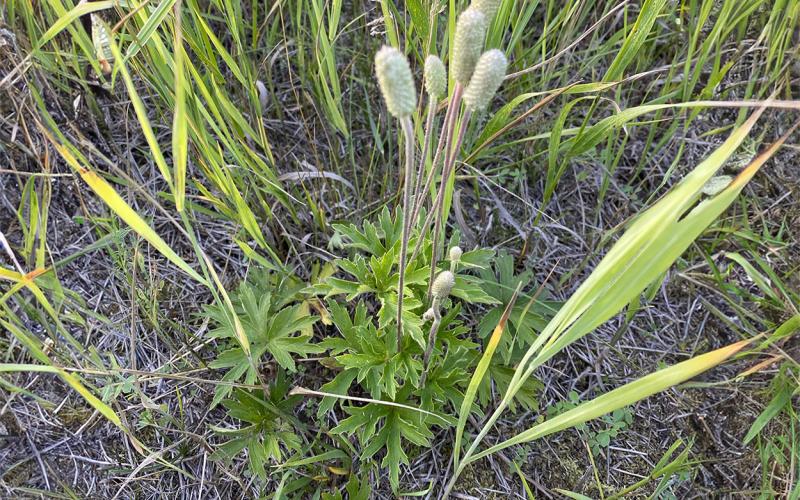
Native Plants to Know: Thimbleweed (Anemone cylindrica)
Anemone cylindrica (Ranunculaceae), also known as thimbleweed or candle anemone, is a perennial, herbaceous plant native to prairies and woodlands of central and northern North America.
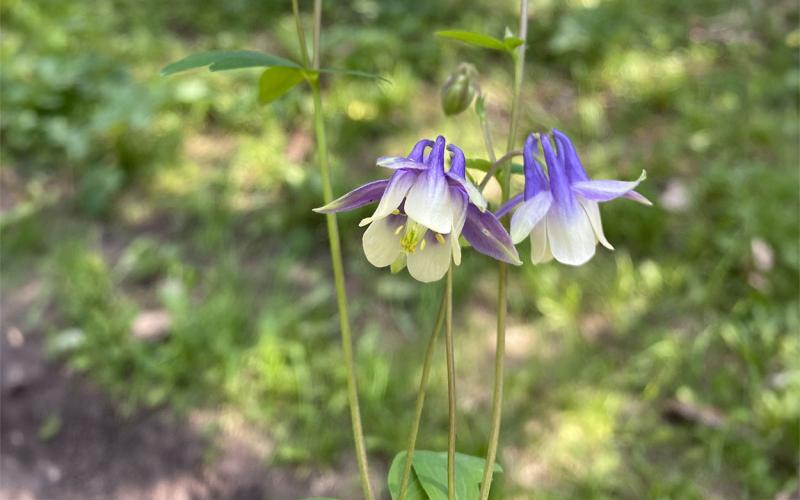
Native Plants to Know: Small-Flowered Columbine (Aquilegia brevistyla)
Aquilegia brevistyla, or small-flowered columbine, is a native, perennial, herbaceous plant in the Ranunculaceae (buttercup family) that grows in cool, shaded, canyons in the Black Hills of South Dakota.
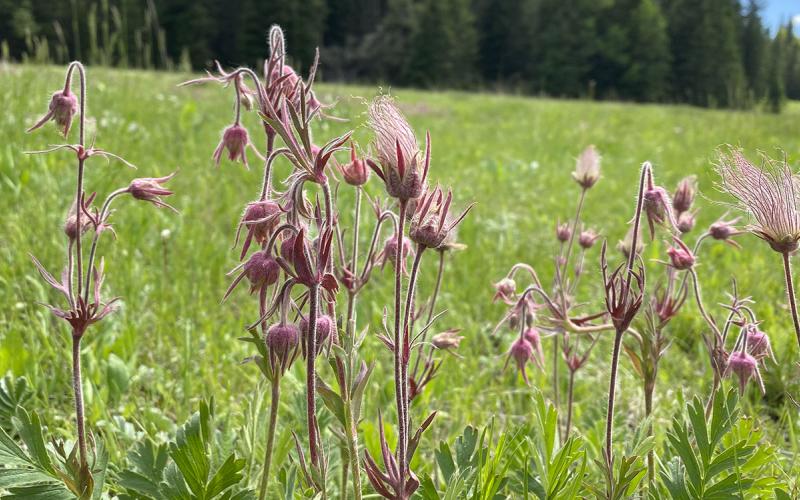
Native Plants to Know: Prairie Smoke (Geum triflorum)
Geum triflorum or Prairie Smoke (Rosaceae) is a flowering, herbaceous (non-woody stem) perennial, native to North American prairies known for its distinctive nodding and wispy flowers that resemble plumes of smoke
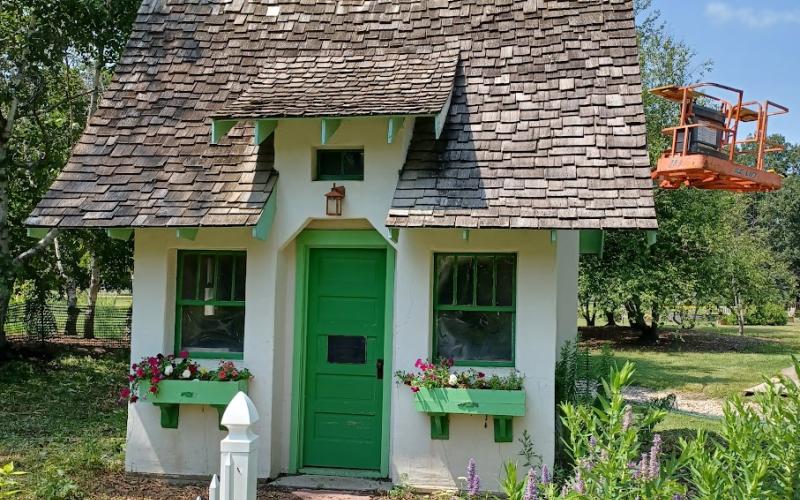
SDSU Extension, McCrory Gardens start summer 2024 programming with Garden Discovery Festival
May 14, 2024
South Dakota State University Extension and McCrory Gardens will start its summer programming season with the Garden Discovery Festival on May 19, 2024.
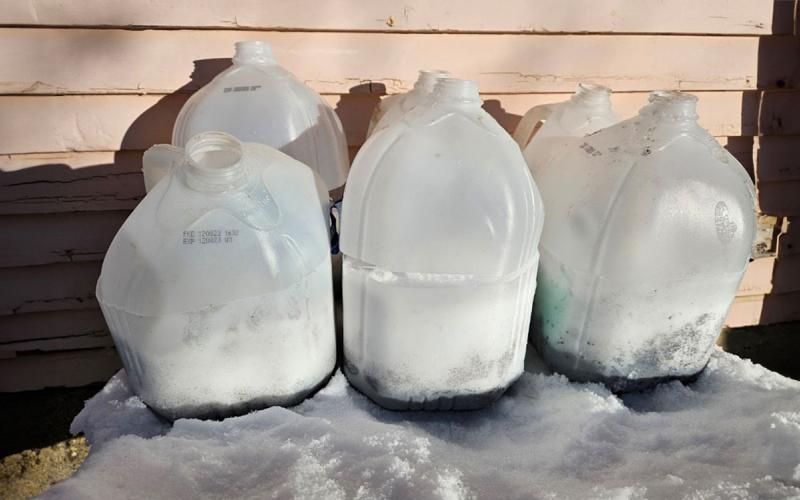
Winter Sowing in the Northern Great Plains
Winter sowing is a technique used to start seeds that have a requirement for cold stratification, including many native perennials. View some expert tips and a step-by-step guide for getting started.
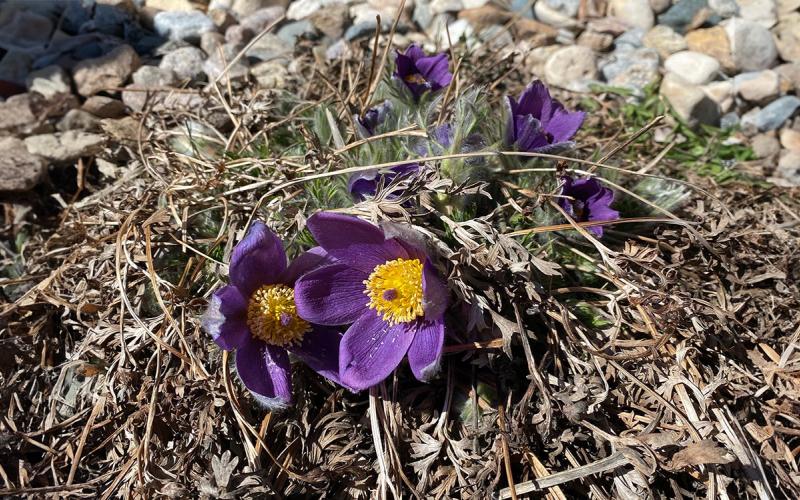
Landscaping Best Practices for Pollinators and Beyond
Our yards are all part of a greater ecosystem. By incorporating some best practices into your landscaping routine, your yard can develop healthier soil, support more pollinators, and reduce the need for pest control.