Crop Treatments

Chlorpyrifos Tolerances Revoked by U.S. Evironmental Protection Agency
In August 2021, a final rule was released by the U.S. Environmental Protection Agency for the insecticide active ingredient chlorpyrifos. The rule revoked all tolerances for chlorpyrifos.
SDSU Extension to Offer Integrated Pest Management Field School Online
July 30, 2021
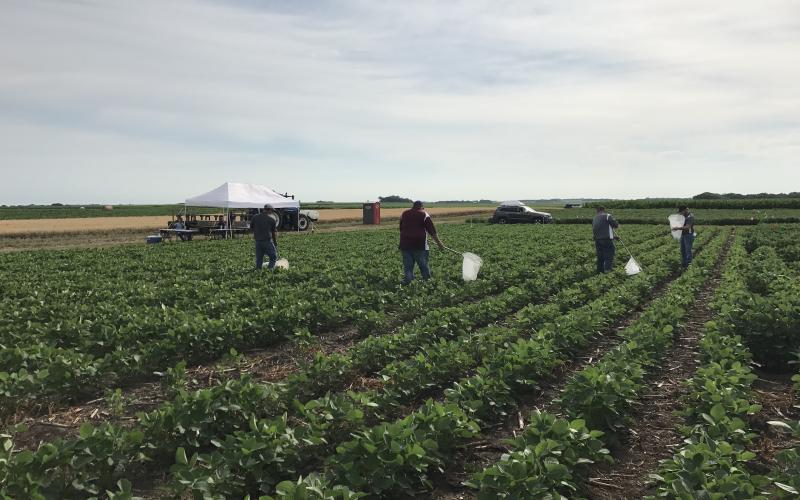
South Dakota State University Extension will kick off its 13th annual Integrated Pest Management (IPM) Field School Aug. 1.
Interpreting Research Results: The Simple Way
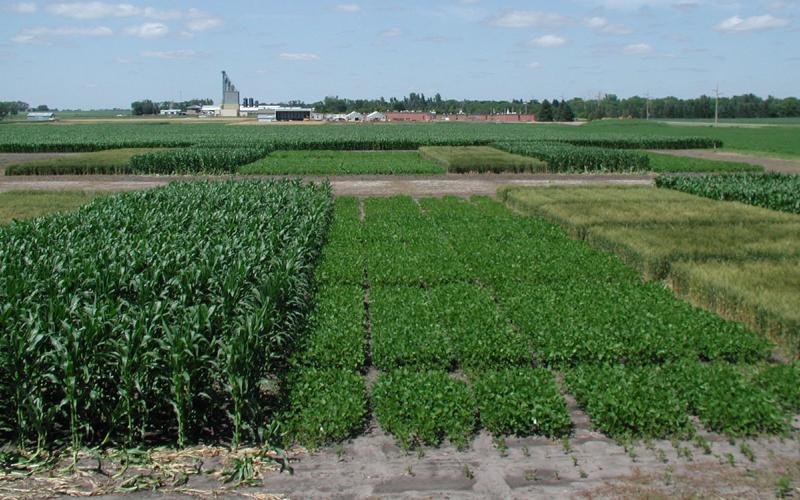
Although research results and statistical terminology can seem overwhelming, understanding the basic concepts can be valuable for decision making. When making management decisions, don’t hesitate to ask for research results and statistics to back up marketing claims.

2021 South Dakota Pest Management Guides Now Available
February 04, 2021
SDSU Extension has released the 2021 South Dakota Pest Management Guides.
Use the SD Spray Tool for Inversion Detection and Weather for Pesticide Application
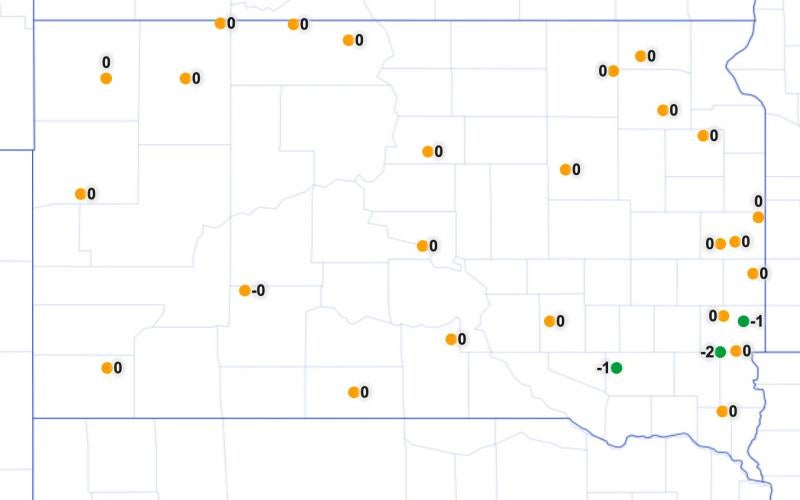
The SD Mesonet Spray Tool provides real-time weather data for pesticide applicators. This dedicated website for pesticide applicators uses the SD Mesonet weather data, which is updated every five minutes.

Investigation of Soybean Seed Treatment and Inoculant in Southeastern SD, 2018
Soybean seed treatment products are widely utilized by many farmers in southeastern South Dakota and the surrounding area. These products often consist of an insecticide/fungicide combination, and/or inoculant that is mixed and placed on the seed as a pre-treatment before the grower plants the crop.
Field Studies: Blowing the Whistle on Marketing Claims
With technology surrounding today’s culture, data and marketing information has become a key part of life. The best way to determine if a product or practice is effective is to ask for the data and research backing a company’s claims. However, before a producer makes a decision, understanding the data and statistics is key.

Is Herbicide Carryover a Concern in Wet Weather?
Wet conditions have forced the need to change planting plans. In some cases, crops are planted in areas that were not planned for that crop this year. One factor in moving crops that cannot be overlooked is carryover. Does the ground to be planted have a carryover restriction for the desired crop to be planted?

Plant Growth Regulator Reduces Height, Lodging in Oats
With the goal of reducing lodging in oats, SDSU Extension and a research team initiated a multi-location trial in 2018 growing season to study the effects of plant growth regulator (PGR) on oat performance.
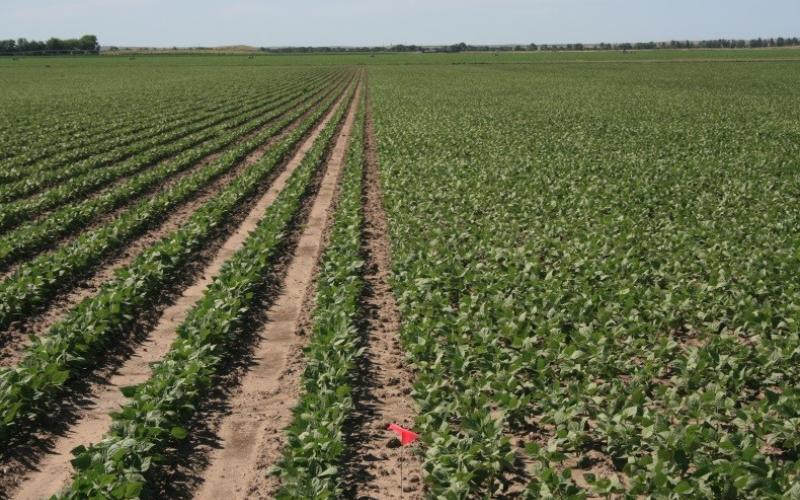
Field Studies: Replicated Comparisons vs. Side-by-Side Comparisons
How should a basic study be set up or laid out in the field? One very common approach is to divide a field in half and compare the halves or possibly compare two fields in close proximity and see which variety or practice yields highest. This approach can end with very misleading results because of the variability that exists across a field or fields due to many factors.