Crop Treatments
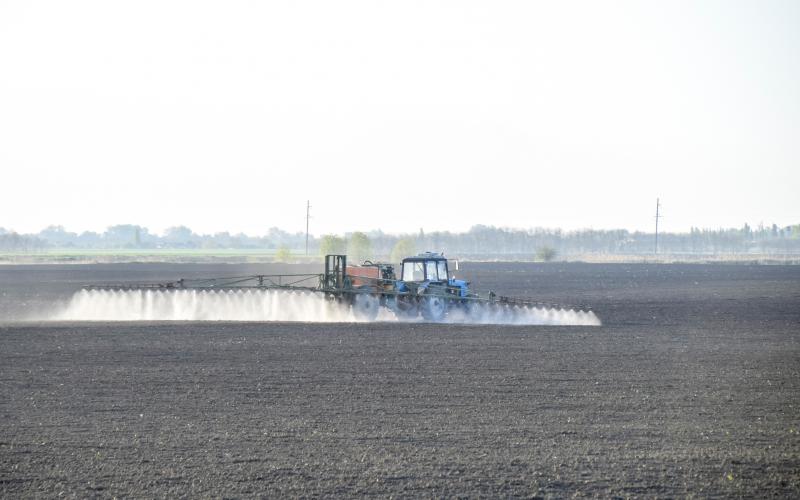
Herbicide Rotation Restrictions
This is a quick reference guide to common herbicides and their rotation restrictions for selected crops.
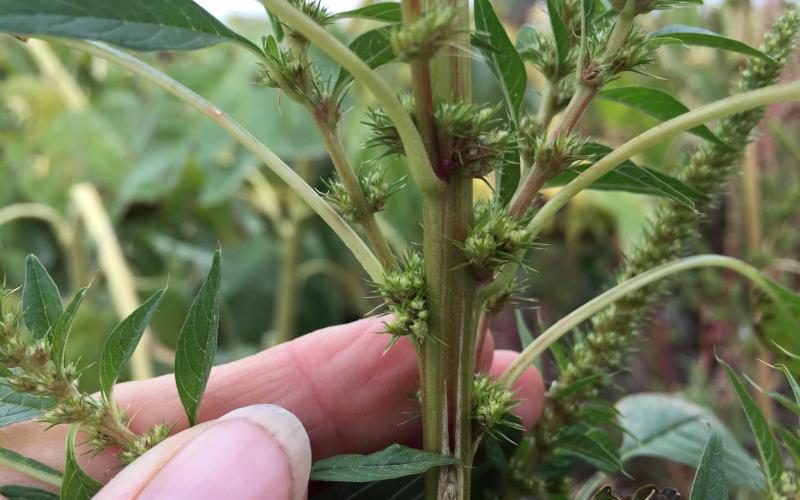
Identification and Management of Palmer Amaranth in South Dakota
Guide for the identification and management of Palmer Amaranth in South Dakota

How to Choose the Right Adjuvant for the Job
With the rise of herbicide-resistant weeds, the use of an adjuvants is also on the rise and may be necessary to help control resistant weeds.
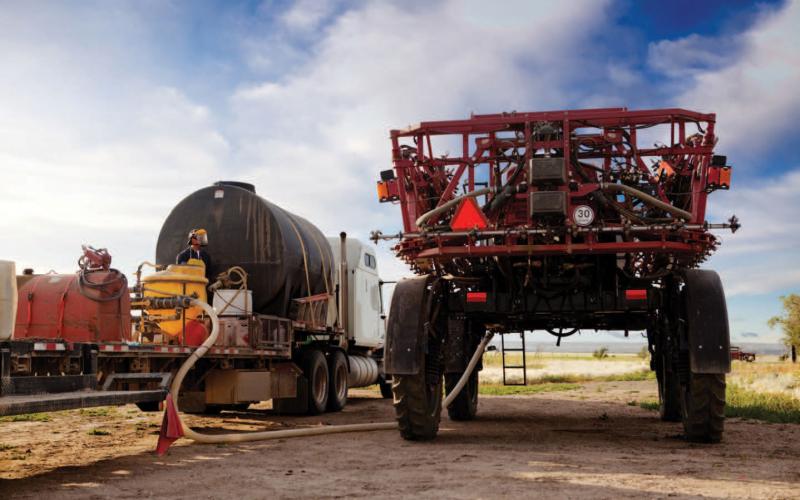
General Cleaning Recommendations for Sprayer Equipment
Crop damage could occur if sprayer clean-out is overlooked or not properly conducted. It is critical to always follow the procedure specified on the herbicide or commercial cleaner label to completely remove herbicide residue from the sprayer system.
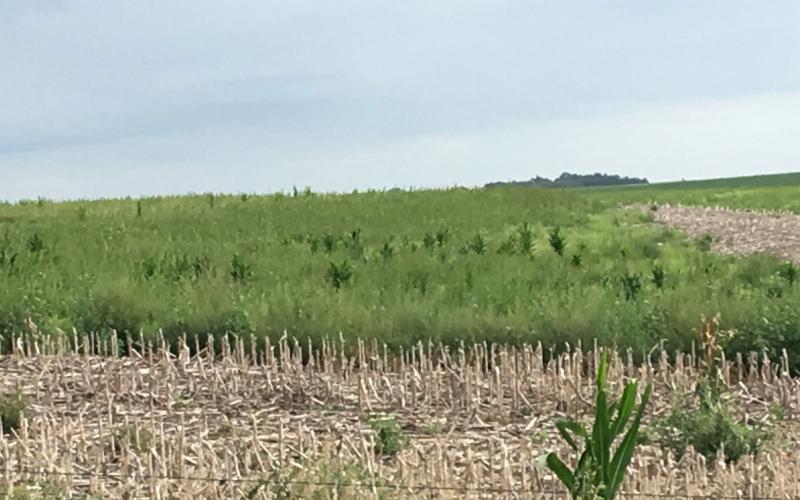
Managing Weed Seed in 2020
Producers need to plan in advance on how to deal with bare fields that contain an overabundance of weeds. Weeds in these fields have deposited significant amount of seeds on the soil surface, which can easily germinate when adequate moisture and temperature are available.
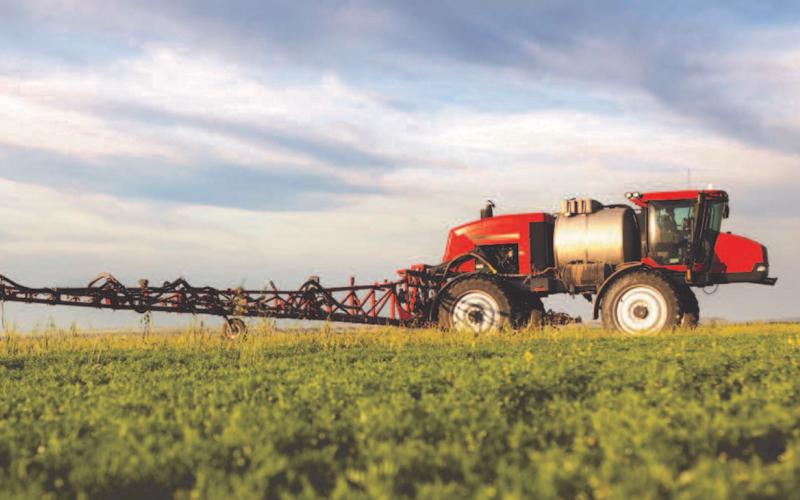
A Tricky Task: Removing Dicamba From Sprayers
With the introduction of many new plant growth regulator herbicides, such as dicamba-based, and 2,4-D choline products, sprayer system cleanout has become even more critical before spraying resumes this growing season.
Preparing Spray Solutions: Mixing Order
Before mixing any pesticide always check the pesticide label for instructions on compatibility of two or more pesticides. Some herbicides and carriers require a compatibility agent, some are not compatible with a compatibility agent.
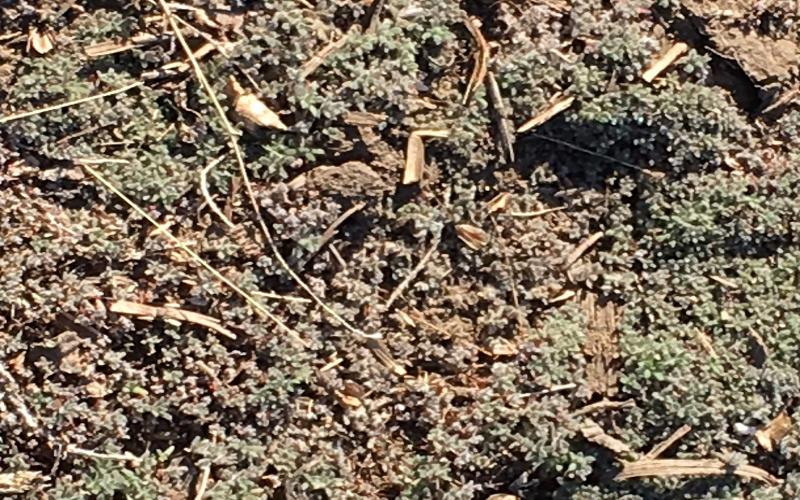
Temperature and Herbicide Performance
In South Dakota, the spring can come with a wide range of temperature fluctuations. This will affect the performance of burndown herbicides. Depending upon the target weed, type of herbicide and application rate, there will likely be decreased weed control in cooler temperatures.
Crop Tolerance to Soil Herbicide Residual
Some herbicides can persist in soil, especially dry soil. Herbicide carryover could be an issue in 2021 across the state depending upon last year’s moisture levels and field conditions.
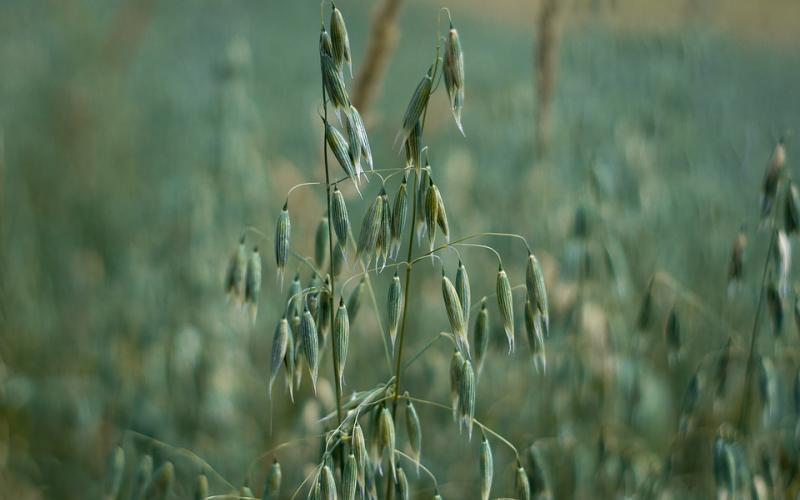
2020 Plant Disease Summaries for Small Grains
A number of field trials were implemented in the 2020 growing season with the general objective of assessing various disease management practices suitable for South Dakota growers and the Great Plains.