Animal Health
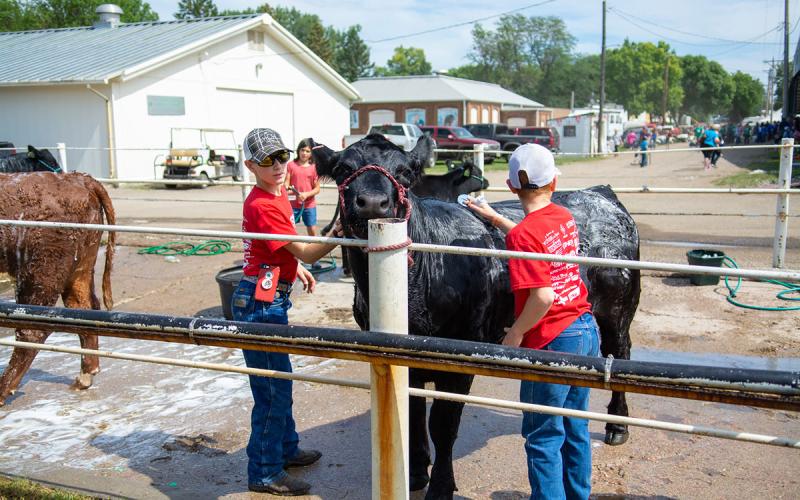
Fair Season Biosecurity
Fairs are a big part of youth livestock programs, but they come with a responsibility to care for animals the right way. With a few extra steps, you’ll be doing your part to keep your animals, your barn, and your community healthy, now and for the seasons to come.

Tetanus: A Storm Aftermath Problem for Animals
Of all the challenges faced by animal caretakers in the wake of damaging storms, Tetanus is a potentially serious disease that might not appear for days or weeks later. Learn some expert tips for recognizing, treating and preventing it.
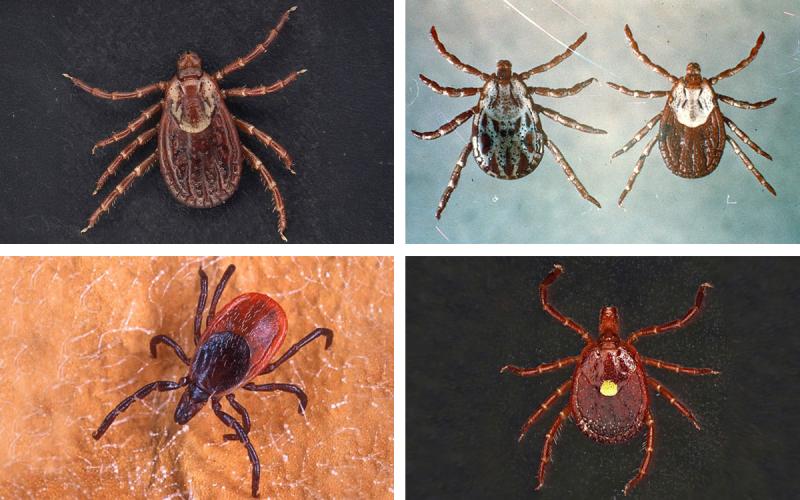
Spring is here, and so are the ticks!
As spring continues to bloom, more arthropods will begin to emerge from winter dormancy. Ticks are among the first to appear, and statewide reports have already been flowing in.
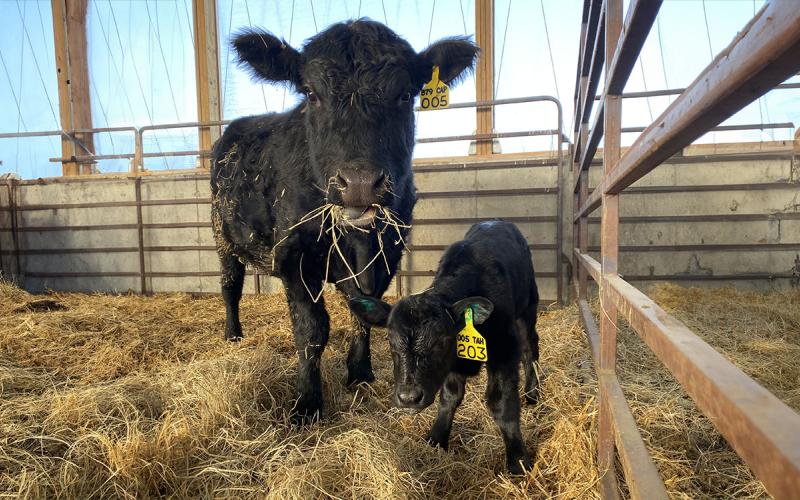
Are Ionophores the Key for Managing Coccidiosis in Calves?
Ionophores are feed additives commonly used in cattle diets to increase feed efficiency and growth.
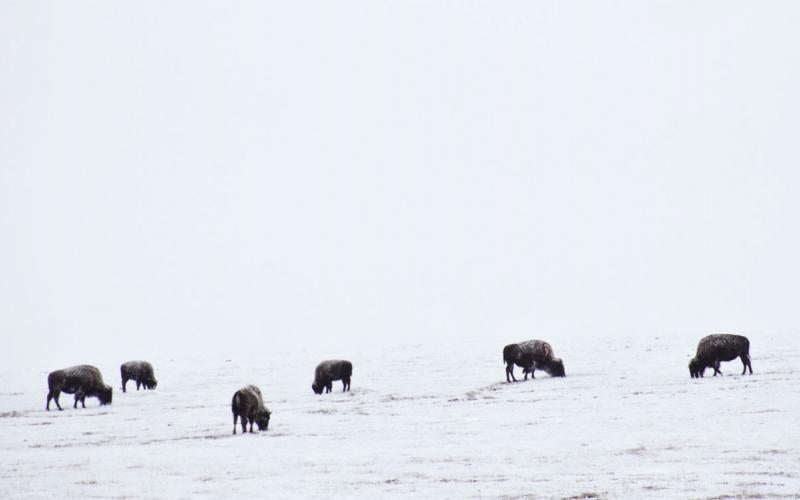
Considerations for Winter Bison Management
Although many tools and techniques developed for cattle management have been adapted for bison, there are some stark differences between the two species that producers should consider when managing bison on winter range.
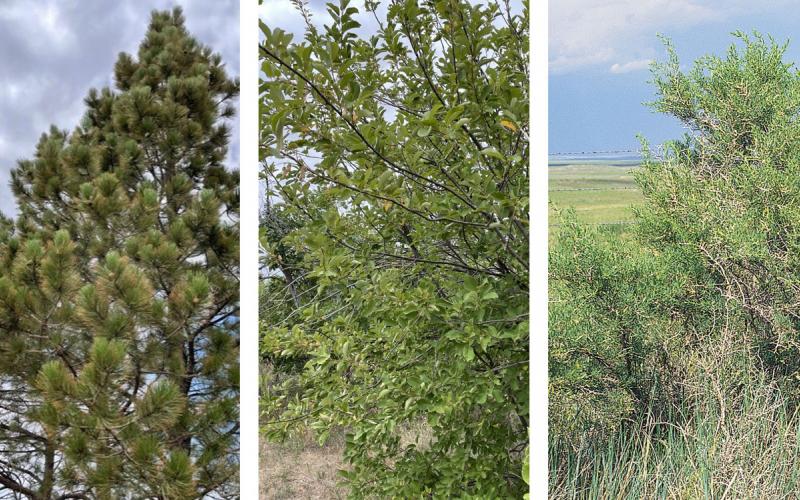
Poisonous Plants on Rangelands: Woody Species
Several woody plant species that are poisonous to livestock are found throughout South Dakota rangelands, including ponderosa pine, chokecherry, greasewood and broom snakeweed.

Trace Mineral Incorporation Level Did Not Impact Grow-Finish Pig Performance
Recent research at SDSU found that supplementing dietary trace minerals at levels closer to NRC requirements in typical corn-soybean meal diets for grow-finish pigs did not have an impact on overall pig performance and carcass characteristics.
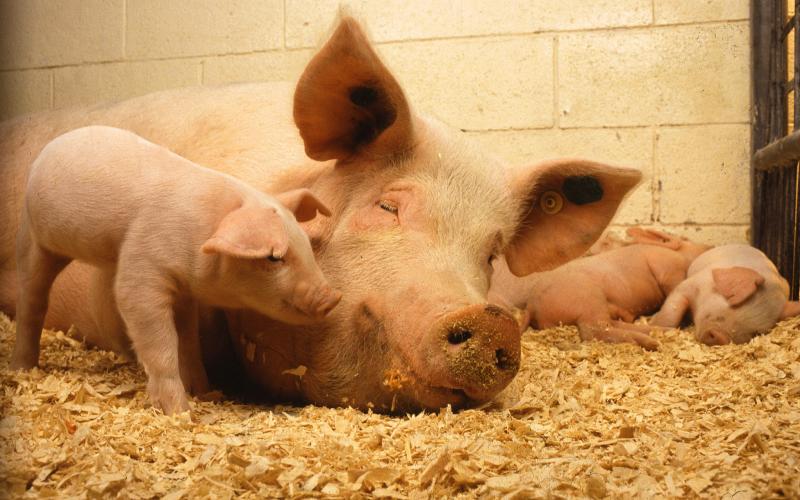
Next-Level Precision Sow Feeding
As the nutritional requirements of sows continue to be further refined, are there opportunities to achieve next-level precision sow feeding?
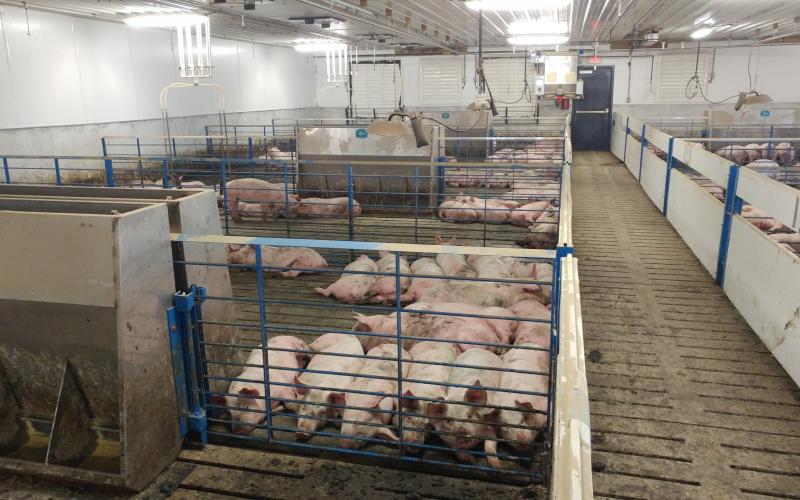
Is it Time to Reconsider Trace Mineral Levels in Pig Diets?
Growing pigs require trace minerals such as copper, iron, manganese and zinc for various biochemical functions, including cellular development and energy metabolism, which lead to optimal health and immunity.

Capsicum Oleoresin Fed to Grow-Finish Pigs Improved Carcass Value
Feed additives are low incorporation, non-nutritive, feed ingredients designed to provide benefits in the growth, feed efficiency, and/or feed intake of animals and ultimately lower the cost of production.