Search
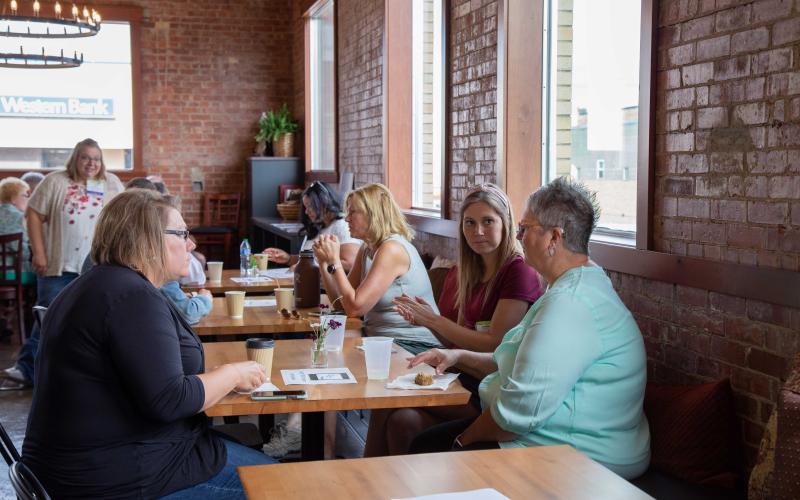
Community Vitality helping train South Dakota board members for service with customized curriculum
June 15, 2023
The SDSU Extension Community Vitality team has created the Building Highly Effective Boards curriculum to teach South Dakota board members how to thrive in their roles.
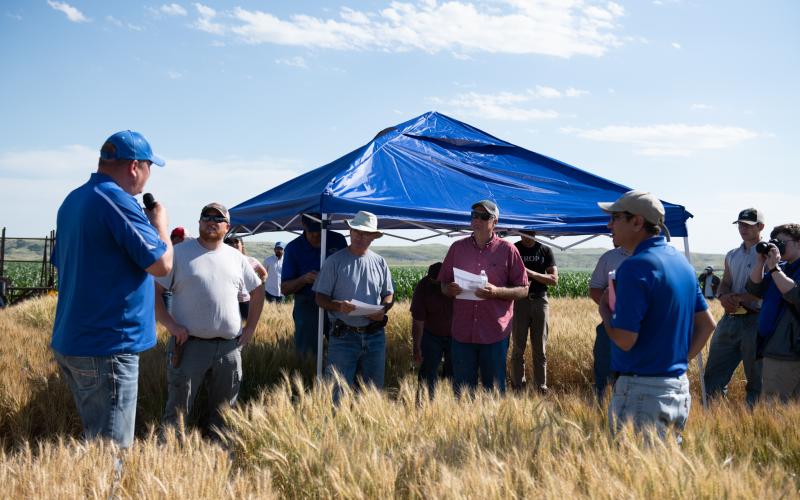
South Dakota State University’s Dakota Lakes Research Farm hosts Field Day on June 29
June 16, 2023
South Dakota State University’s Dakota Lakes Research Farm (DLRF) will host its annual field day on June 29, 2023. The field day will begin at 3:00 PM (CST) and run until dark.
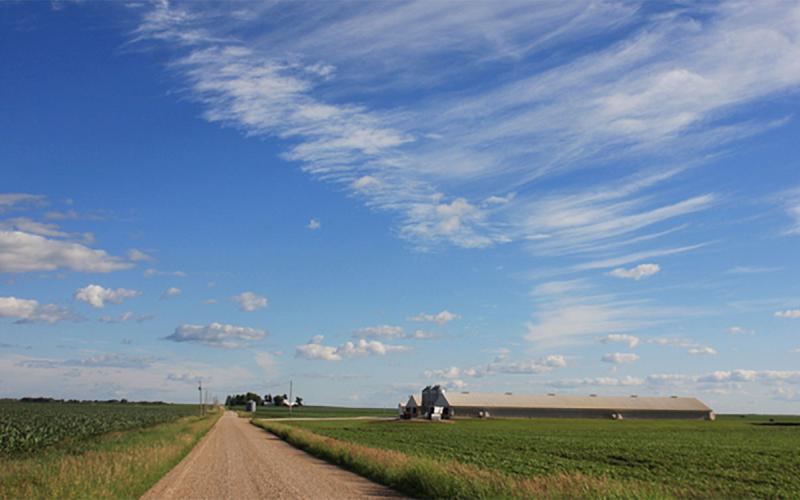
SDSU Pork Cares Farm Impact Report 2022
SDSU's Pork Cares Farm Impact Report details the efforts and practices employed by pork producers to promote sustainable agriculture, including environmental impact, social responsibility, and economic viability.
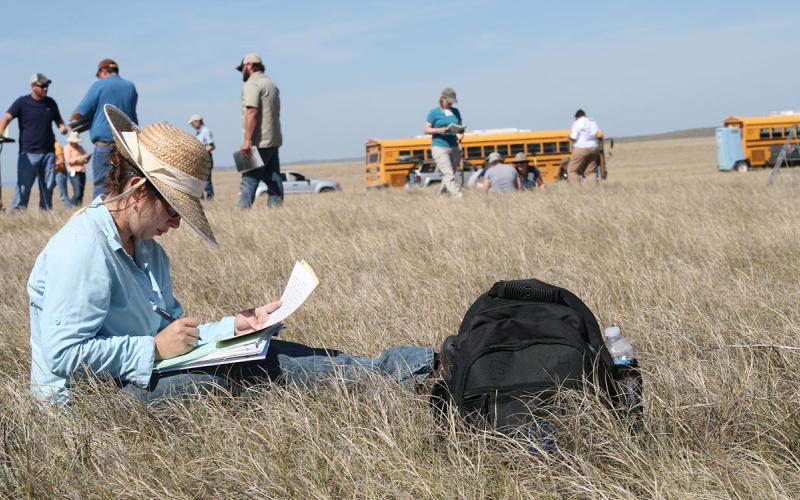
SDSU Extension promotes 2023 National Range Judging Contest results
June 21, 2023
South Dakota students had a strong showing at the 2023 National Range Judging Contest.
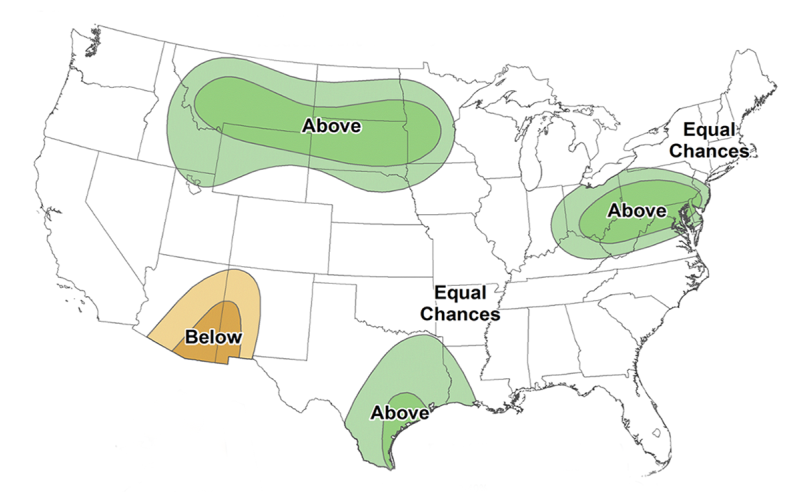
End of Summer 2023 Climate Outlook
A recent run of warm temperatures and dry conditions in South Dakota has accelerated drought concerns, but some good news lies ahead in the NOAA’s 2023 end of summer climate outlook.
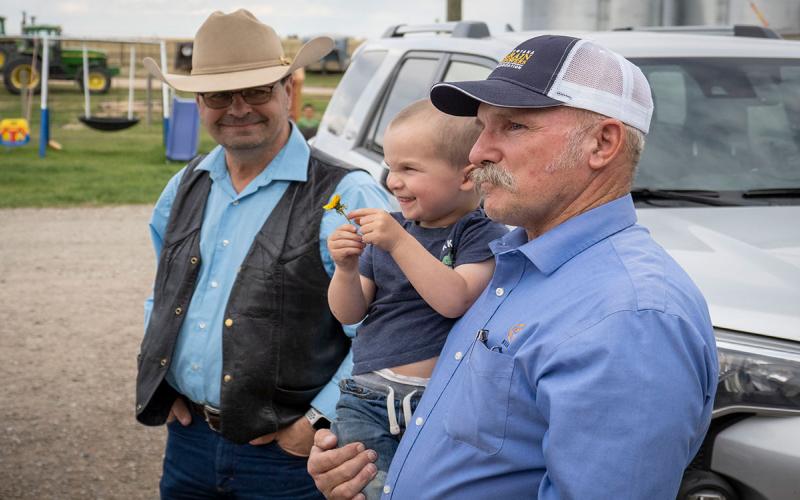
Mental Health: Recognizing and Managing Stress
Feeling stressed on the farm or ranch? Learn how to recognize stress, manage it, and find the support you need to overcome it.
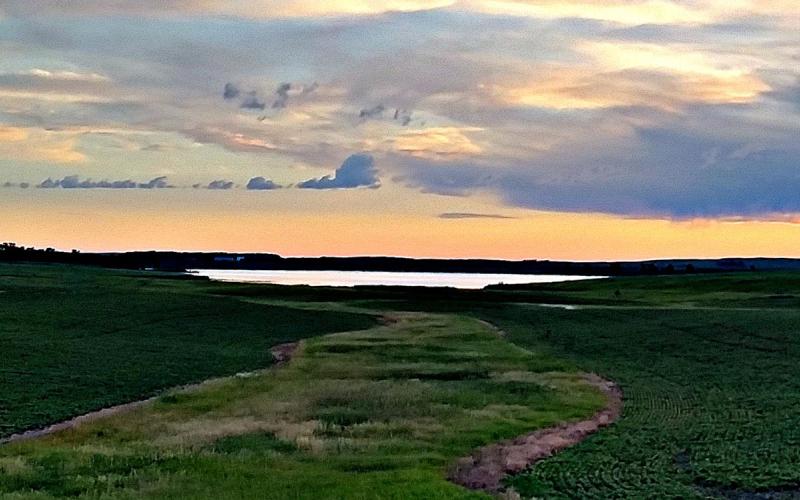
Watershed Disturbances and Change
Watersheds play a critical role in supporting our environment, economy and quality of life. Learn how natural and man-made disturbances can impact their overall health.
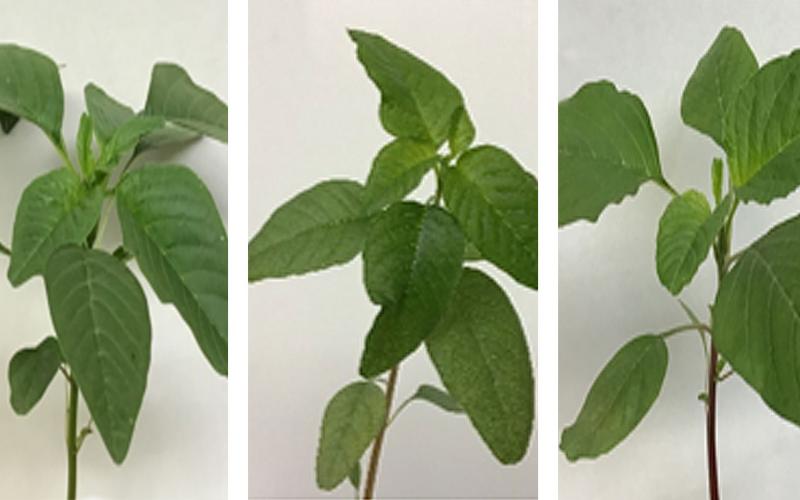
Vegetative Identification of Palmer Amaranth, Waterhemp, and Redroot Pigweed
Palmer amaranth is a non-native weed sharing common characteristics with waterhemp and redroot pigweed. Learn how to identify all three of these aggressive weeds before they become an issue in your fields this growing season.
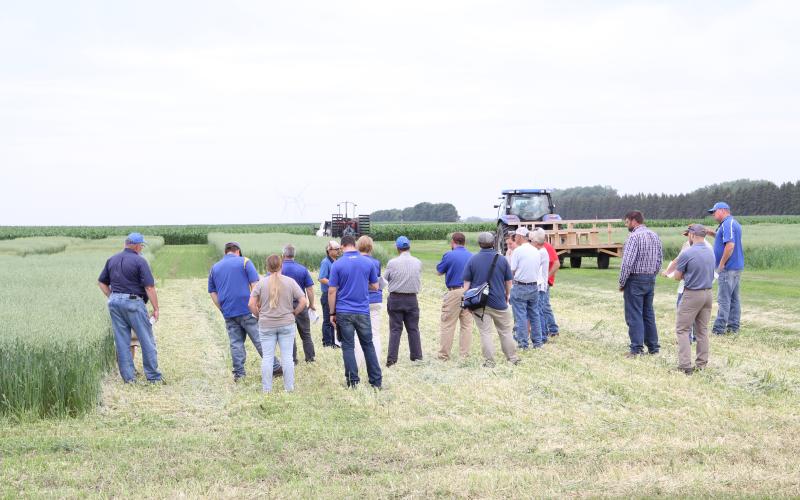
South Dakota State University Northeast Research Farm to host Field Day on July 13
June 21, 2023
The South Dakota State University Northeast Research Farm Field Day will be held on July 13 at 4 p.m. and will run until dusk.

4-H Workforce Development
4-H defines workforce development as employment pathways and opportunities that will prepare youth to enter the workforce.