Search
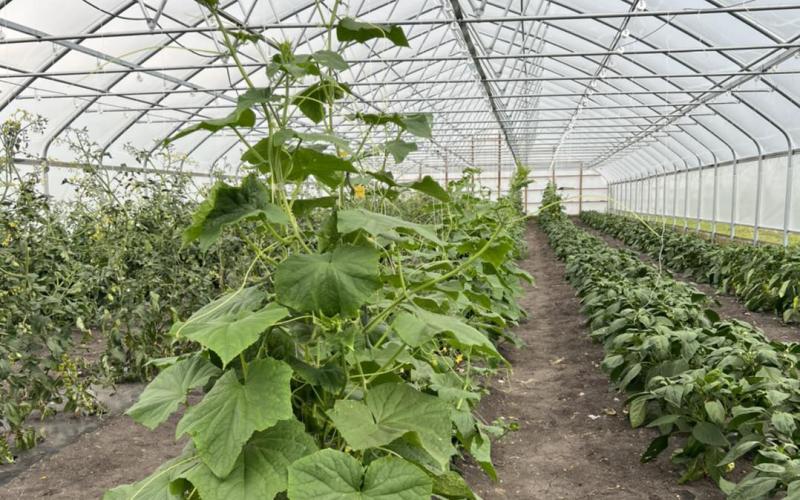
SDSU Extension to host High Tunnel Field Day featuring Webster-area farmers
June 25, 2024
SDSU Extension is hosting a High Tunnel Field Day from 4 p.m. to 7 p.m. CST June 5 at Waldner Farms, 522 E. First Ave., Webster, South Dakota.
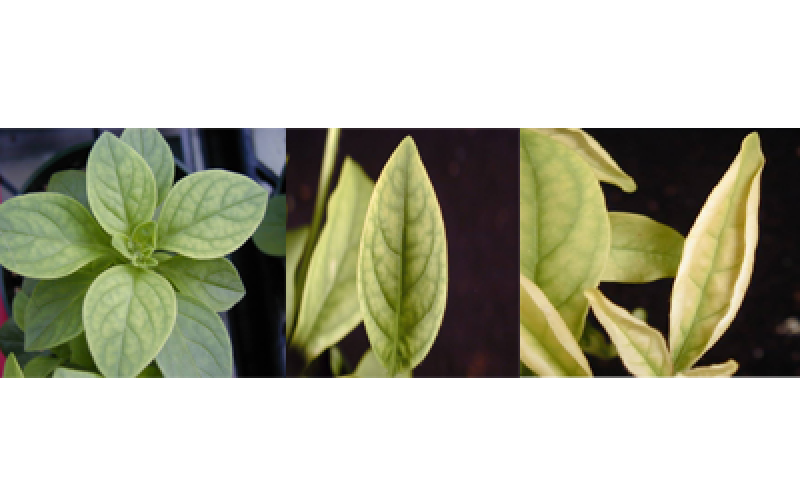
How to Prevent Iron Deficiency in Spring Greenhouse Plants
At this time in the growing season, Iron (Fe) deficiency symptoms are appearing among bedding plants and other spring greenhouse plants. The main symptom of Iron (Fe) deficiency is Chlorosis or yellowing, usually starting at the shoot tip and newly developed leaves.
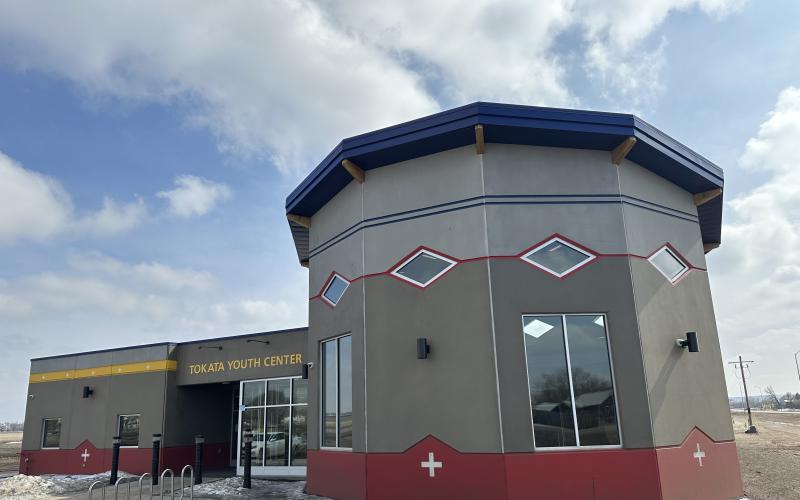
SDSU Extension partnerships with Fort Thompson groups seeing positive growth
May 26, 2023
Lindsay Moore, SDSU Extension Community Health and Obesity Program Director, said CDC HOP’s goal is “to enhance opportunities for nutrition and physical activity in communities.” Through that grant funding, administered by SDSU Extension, Moore said the program supports communities looking to grow their capacity.
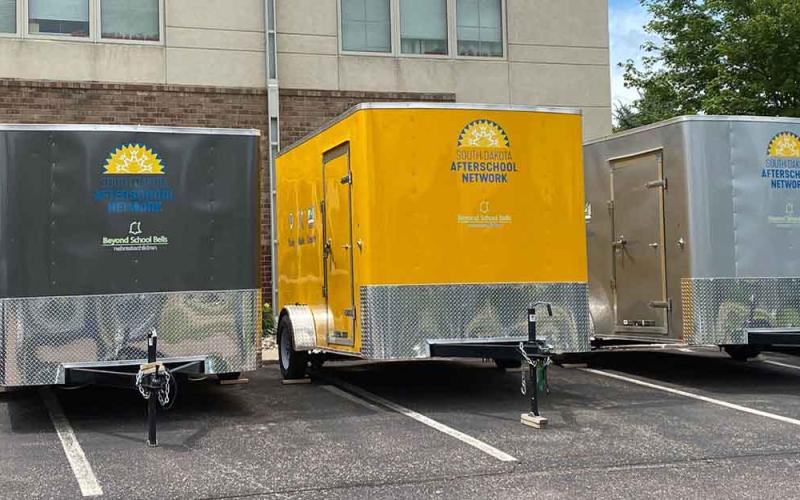
SDSU Extension presence growing in Sioux Falls-area youth development programs
May 26, 2023
The SDSU Extension team based in the Sioux Falls Regional Office is working to provide quality education and programming for youth in the Sioux Falls area.
Other Animals
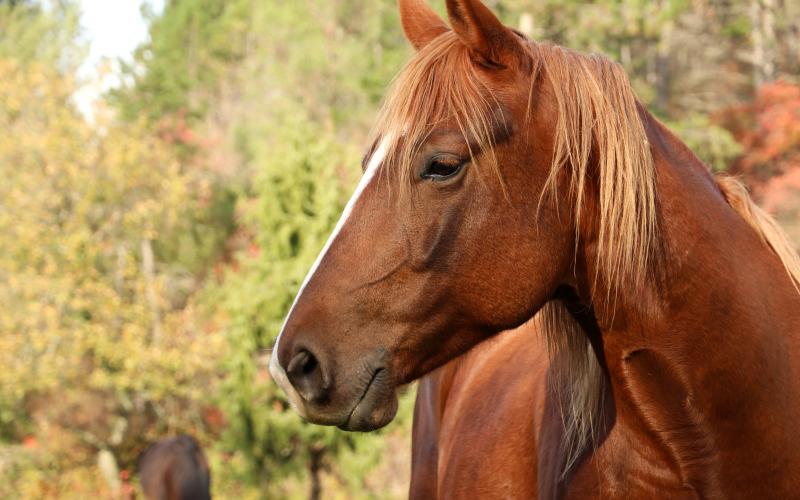
With access to faculty and researchers, and extensive experience, our team provides South Dakotans with resources to help answer questions.
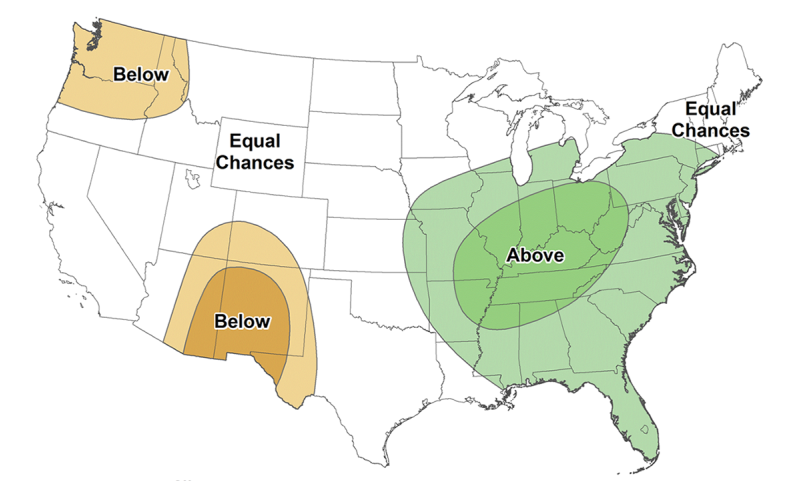
June and Summer 2023 Climate Outlook
After an unusually cold spring, the growing season is now in full swing. Laura Edwards, SDSU Extension State Climatologist, shares what to expect for temperatures and precipitation as we approach Summer 2023.
June 20 Was the Last Day to Apply Dicamba Postemergence in Dicamba-Tolerant Soybean in South Dakota
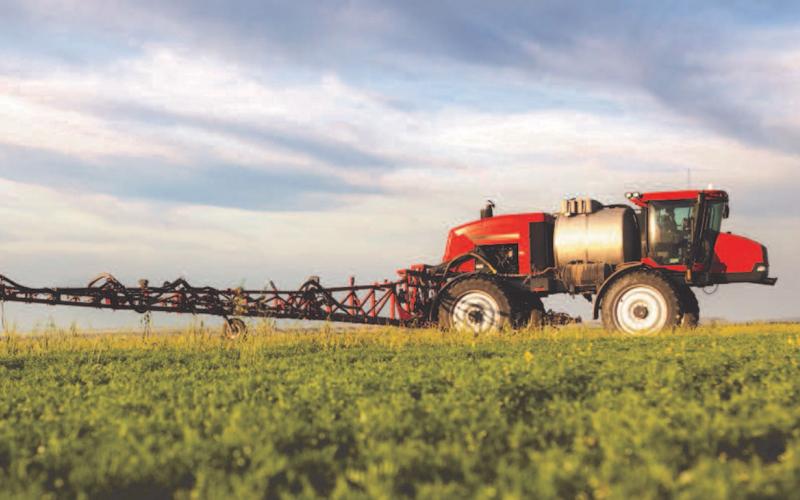
The cutoff date to apply dicamba postemergence was June 20, 2023. Eric Jones, Assistant Professor and SDSU Extension Weed Management Specialist, shares some important updates now that the deadline has passed.

Propagating Houseplants
The long winter finally seems to be loosening its grip and allowing for some warmer weather to move in, melt the snow and warm a gardener’s heart in anticipation of what might be grown this year. But, it will still be a few weeks before we can start doing much gardening outside. We are nearing the time to start those tomato, pepper and other vegetable seeds but it’s better to wait a little longer yet, instead of jumping the gun and ending up with overgrown transplants at planting time.
Monitoring Corn Nutrient Deficiencies: The Traditional and Precision Ag Approach
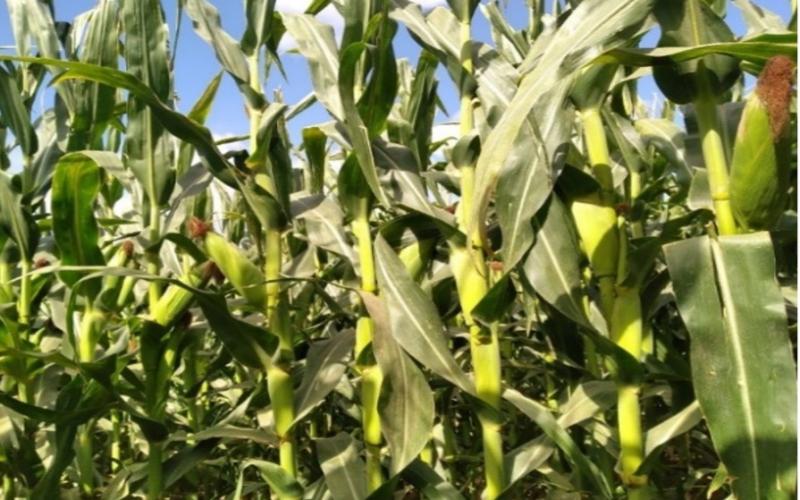
To maximize growth and productivity, plants require 17 different nutrients.
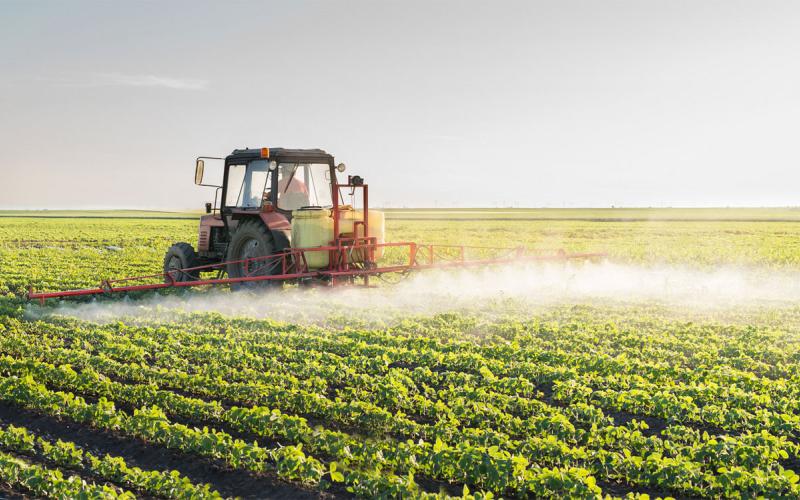
Considerations for Postemergence Herbicides
Postemergence herbicide applications can protect your crop yields by limiting in-season weed competition. Learn everything you need to know before firing up your sprayer.