Search
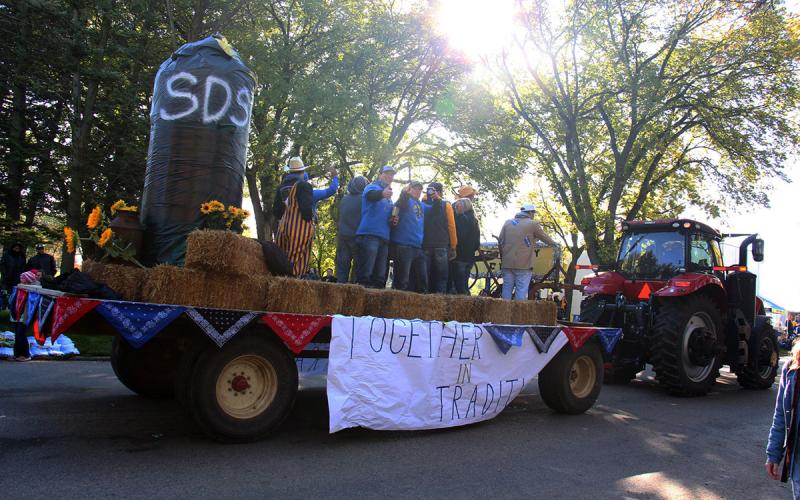
South Dakota Fairs and Festivals - Part One: Festival Deserts, Festival Revival, and Festival Impacts
In South Dakota, many fairs and festivals take place in late summer or fall to celebrate a successful harvest, and the ways of life that made it possible. Learn about the impacts of these festivals and why they are worth preserving, developing, and re-imagining.
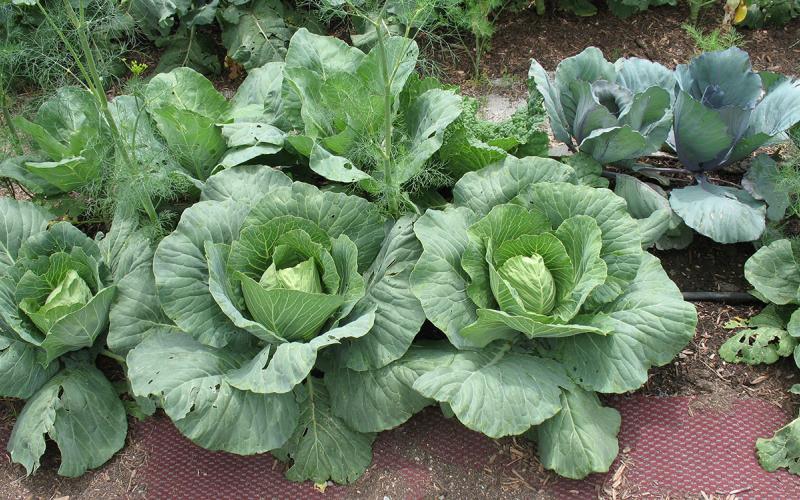
Cabbage: How to Grow It
Cabbages are cool-season crops, very closely related to broccoli, cauliflower, kale, kohlrabi and brussels sprouts.
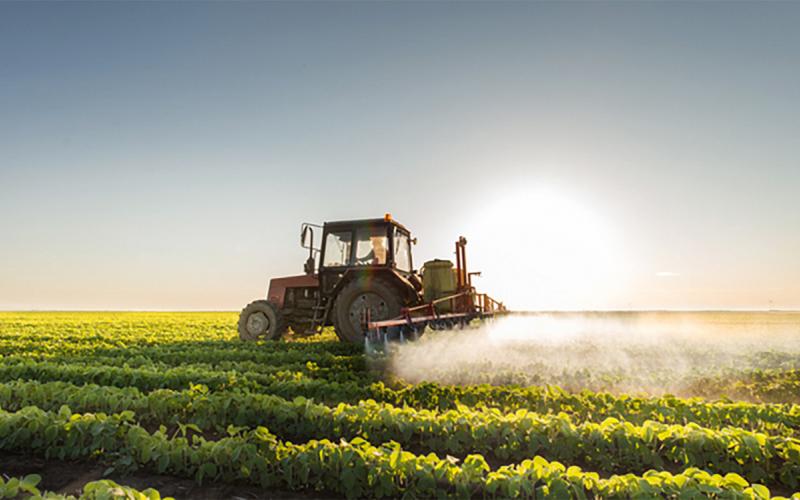
Herbicide Resistance Detection in the Field
Have you noticed weeds surviving a typically lethal herbicide application? There’s a chance they’ve developed herbicide resistance. Learn some expert tips for detecting and confirming resistance in fields.
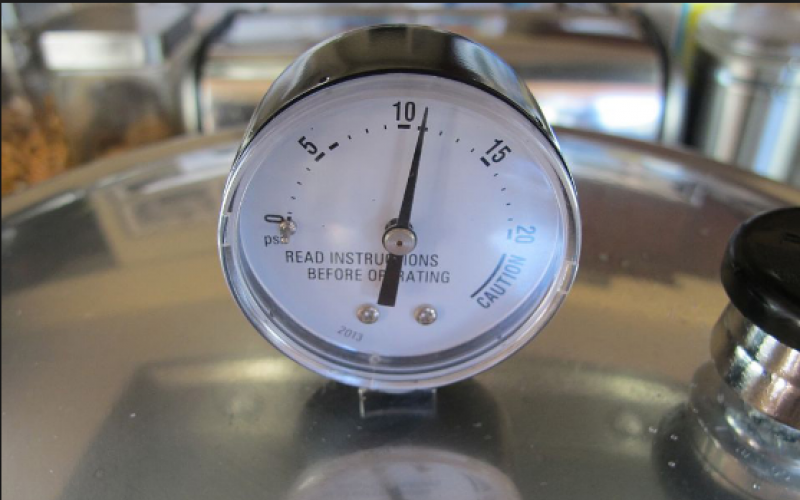
Testing Dial Pressure Canner Gauges
For accuracy before use, it is recommended that dial gauges get tested each year. Gauges that read high cause under-processing and may result in unsafe food.
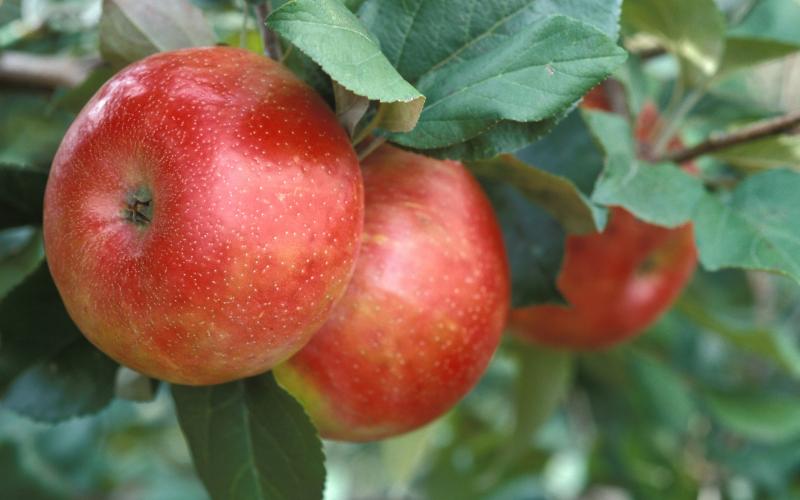
Brookings Master Gardener donating 50 apple trees to local youth
April 12, 2024
A Brookings-area Master Gardener is donating 50 apple trees to local youth for the fourth annual Fruitful Children Project.
Brookings Master Gardener donating apple trees to local youth
March 26, 2025
A Brookings-area Master Gardener is donating apple trees to local youth for the sixth annual Fruitful Children Project.
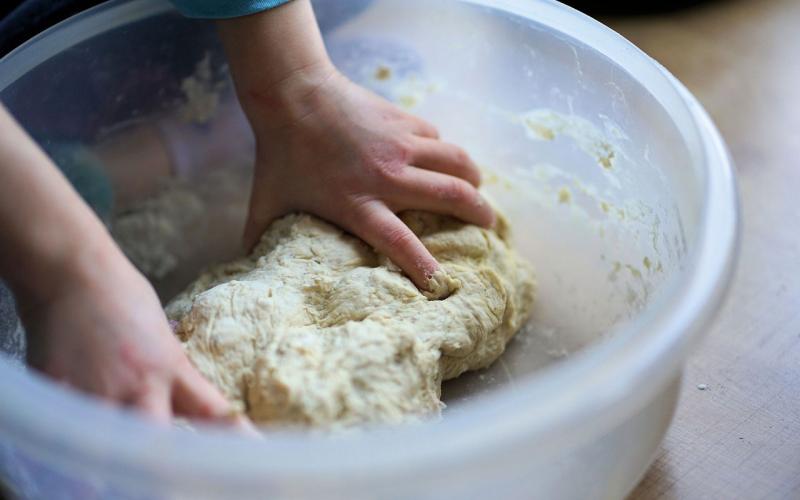
Hydrated Doughs and Batters: How to Safely Handle Food Safety Risks
Making dough and batter is one of the intermediary steps on your way to enjoying great foods, such as scones, cookies, cakes, donuts, pies and more. This article will help you understand the food safety risks associated with food types that have a hydrated batter.
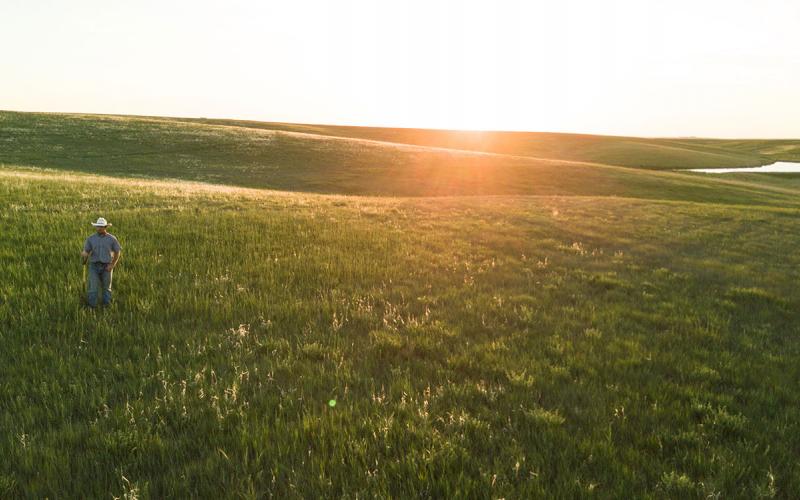
Grassland Fertilization: Terminology and Economics
This article is the first in a series of six focused on helping producers understand the pros and cons of grassland fertilization. We begin by learning some of the basic terminology and information related to fertilization.
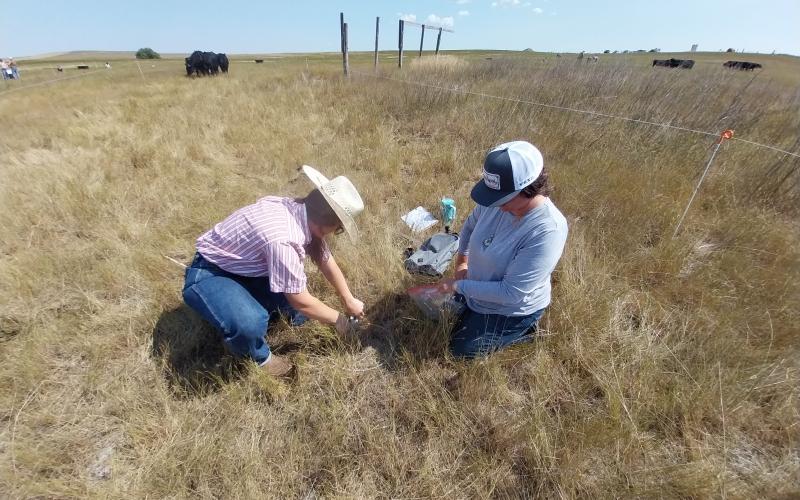
SDSU Extension seeking applicants to host Annie’s Project
July 10, 2025
South Dakota State University Extension is seeking applications from individuals or organizations that would like to host an Annie’s Project in their community.
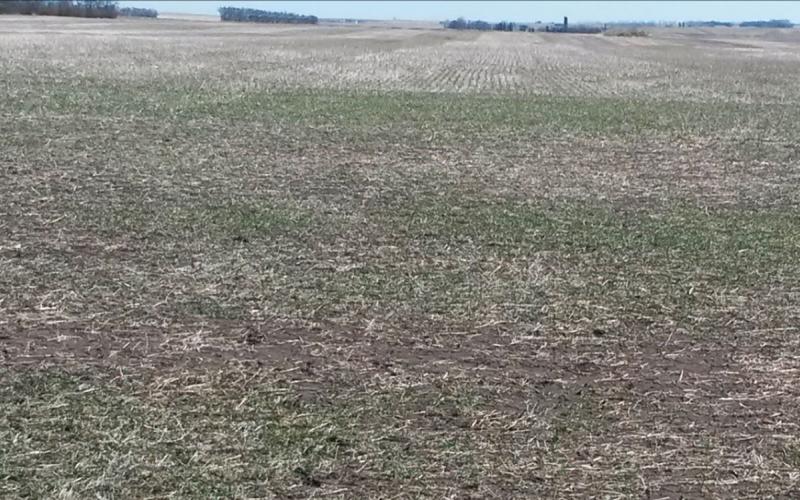
Winter Wheat Planting Considerations
As we move into fall, winter wheat growers often ask, "What is the best time to plant winter wheat?" If planted too early, winter wheat can develop disease and insect problems. If planted too late, it can get winter killed.